










Choosing the right door style has a direct impact on how your home looks, feels, and functions every day. Doors shape the way you move through a space, how much natural light you enjoy, and how efficiently your floor plan works. When comparing sliding doors and traditional swing doors, the decision often comes down to layout, lifestyle, and long-term value.
As a company that designs and manufactures custom sliding doors locally, we have worked with homeowners who want more openness, better functionality, and a cleaner architectural finish. At the same time, we understand that traditional swing doors still serve a purpose in many homes. Below, we break down the differences so you can decide which option aligns best with your goals.
How Sliding Doors Work
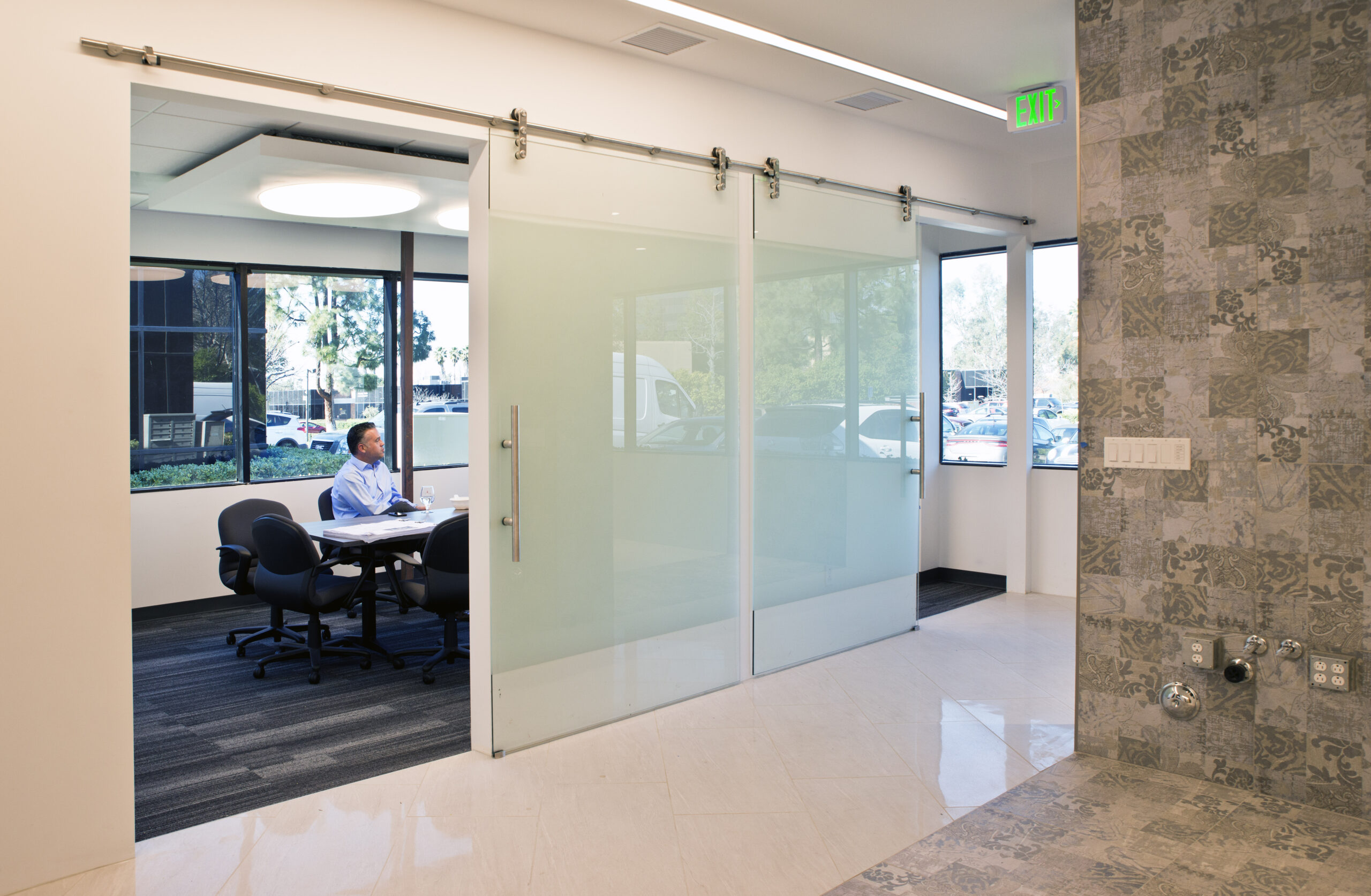
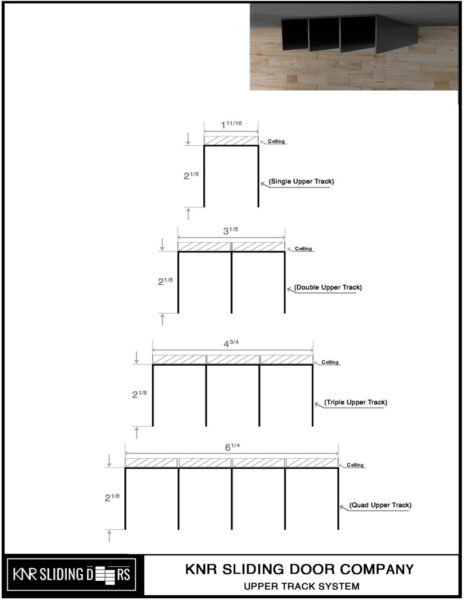
Sliding doors operate on a horizontal track system. Instead of swinging inward or outward, the panels glide smoothly along rollers. This design eliminates the need for swing clearance and maximizes usable floor space.
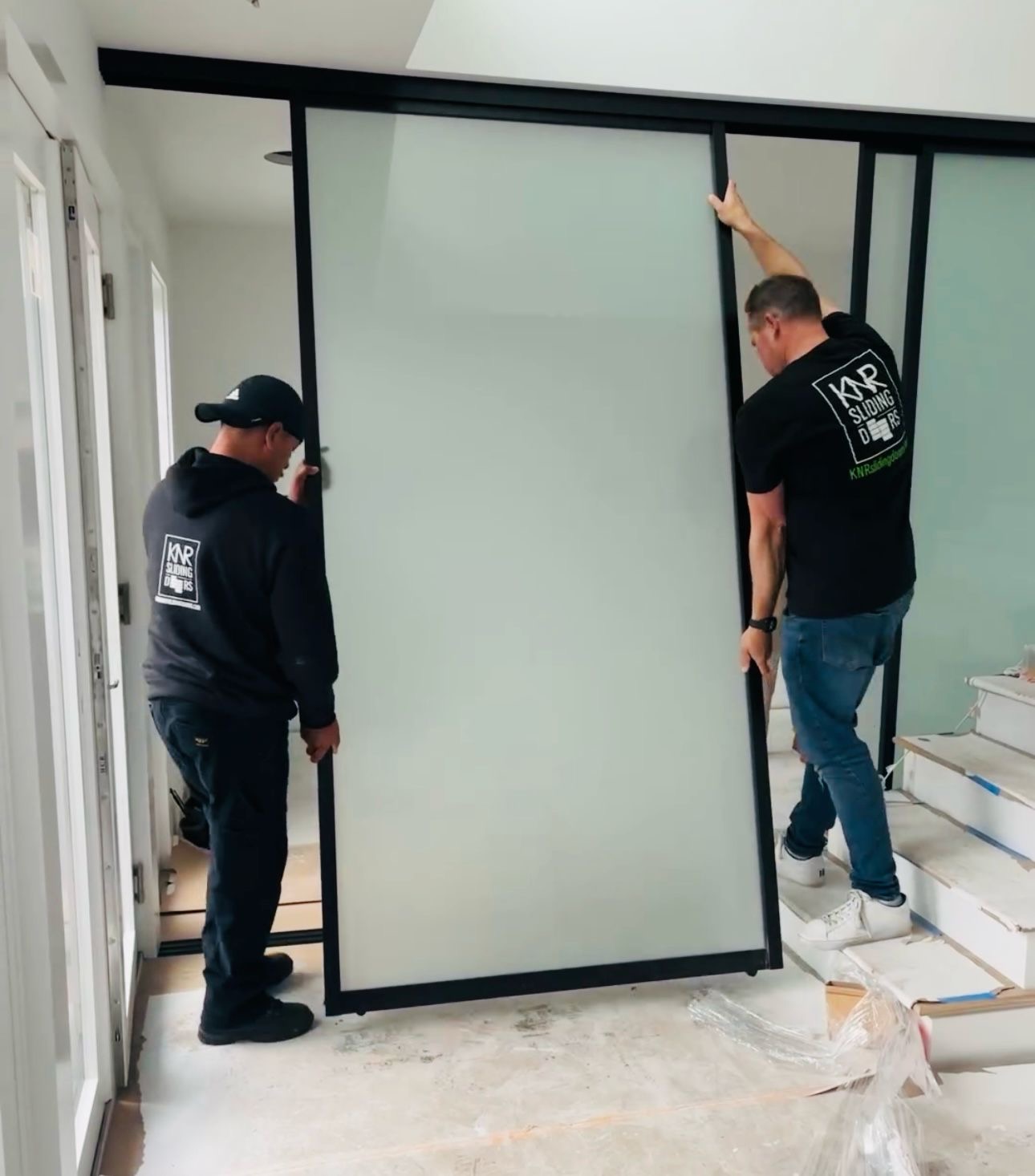
Modern sliding door systems are engineered for durability and ease of operation. With high-quality rollers, precision tracks, and custom-fit frames, they move effortlessly and maintain structural integrity over time. Because they are custom-built to exact measurements, they provide a seamless look and secure fit.
Sliding doors are commonly used for:
- Patio and backyard access
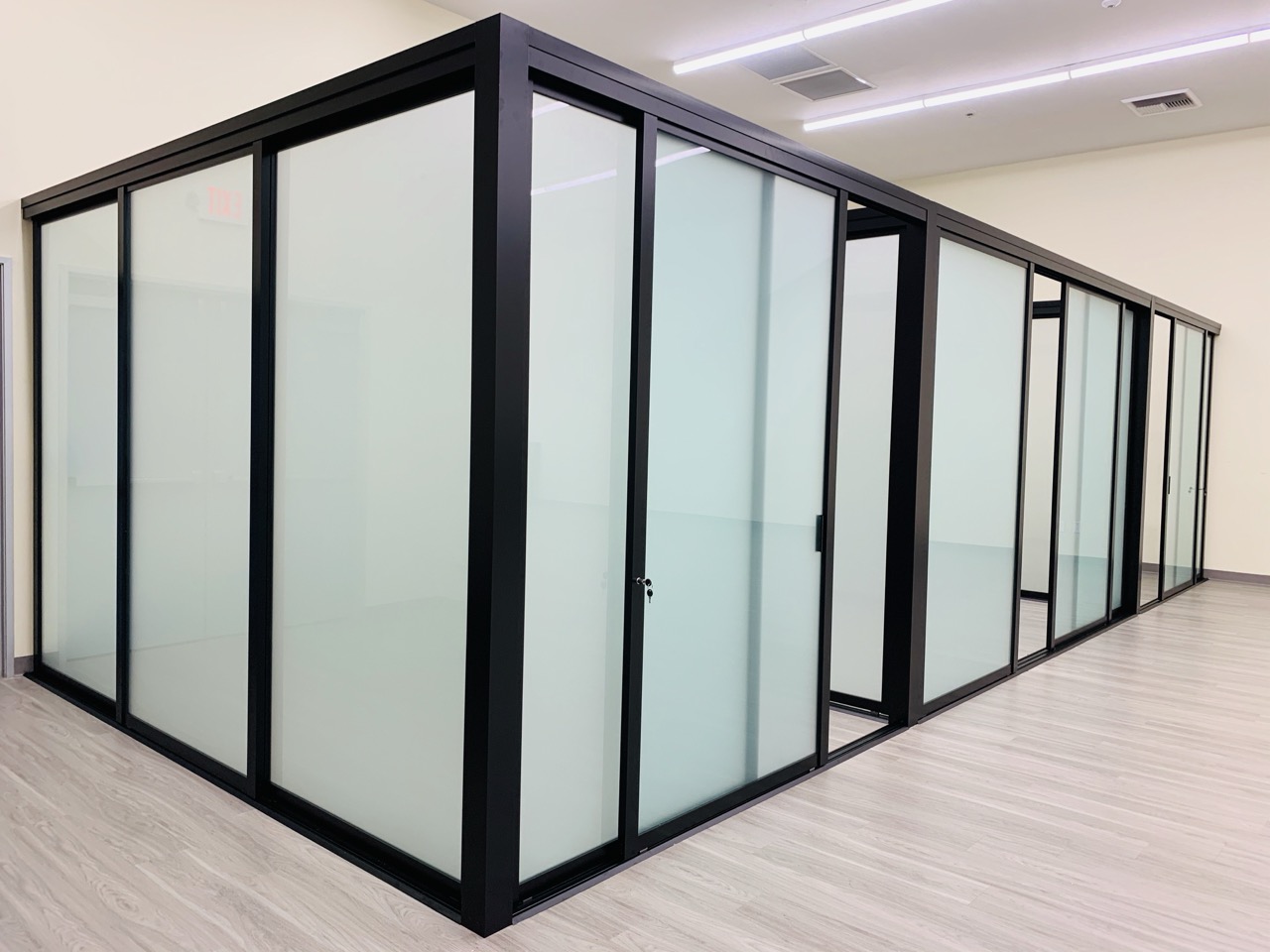
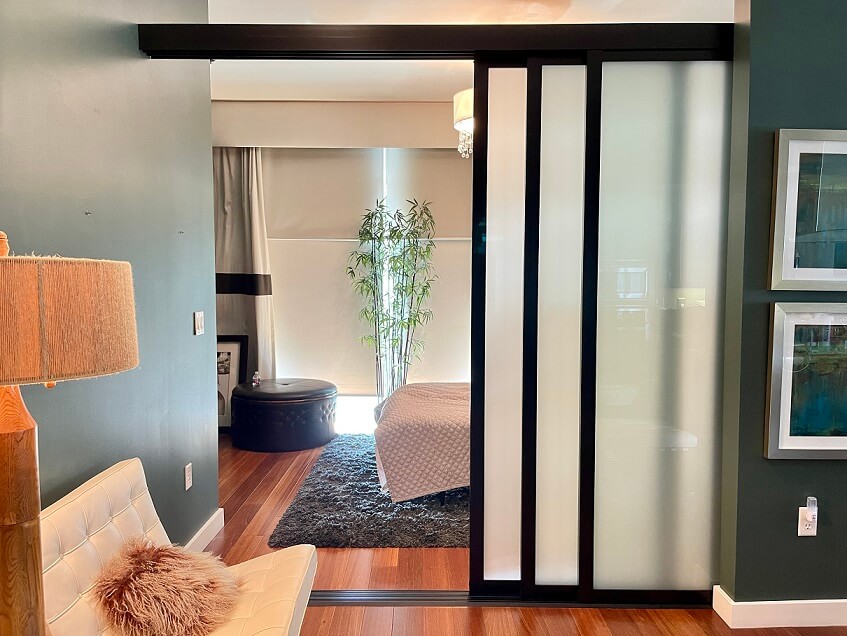
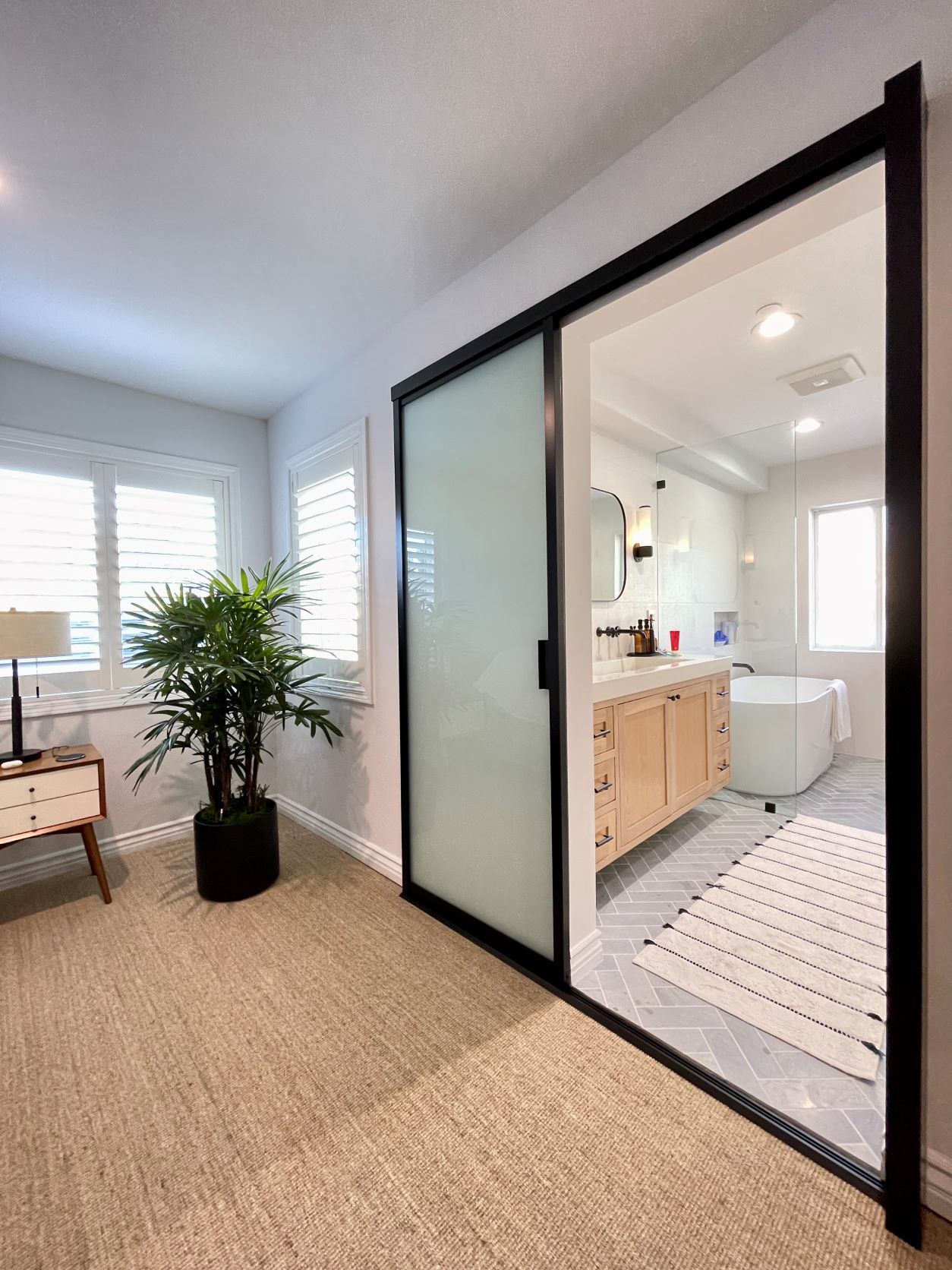
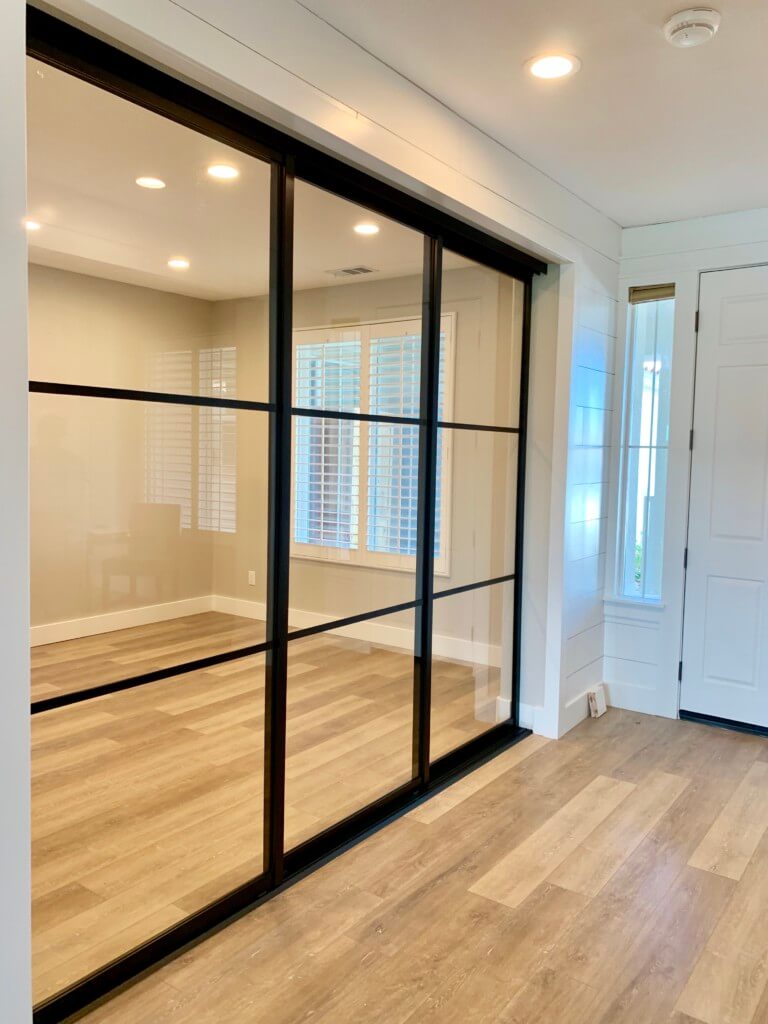
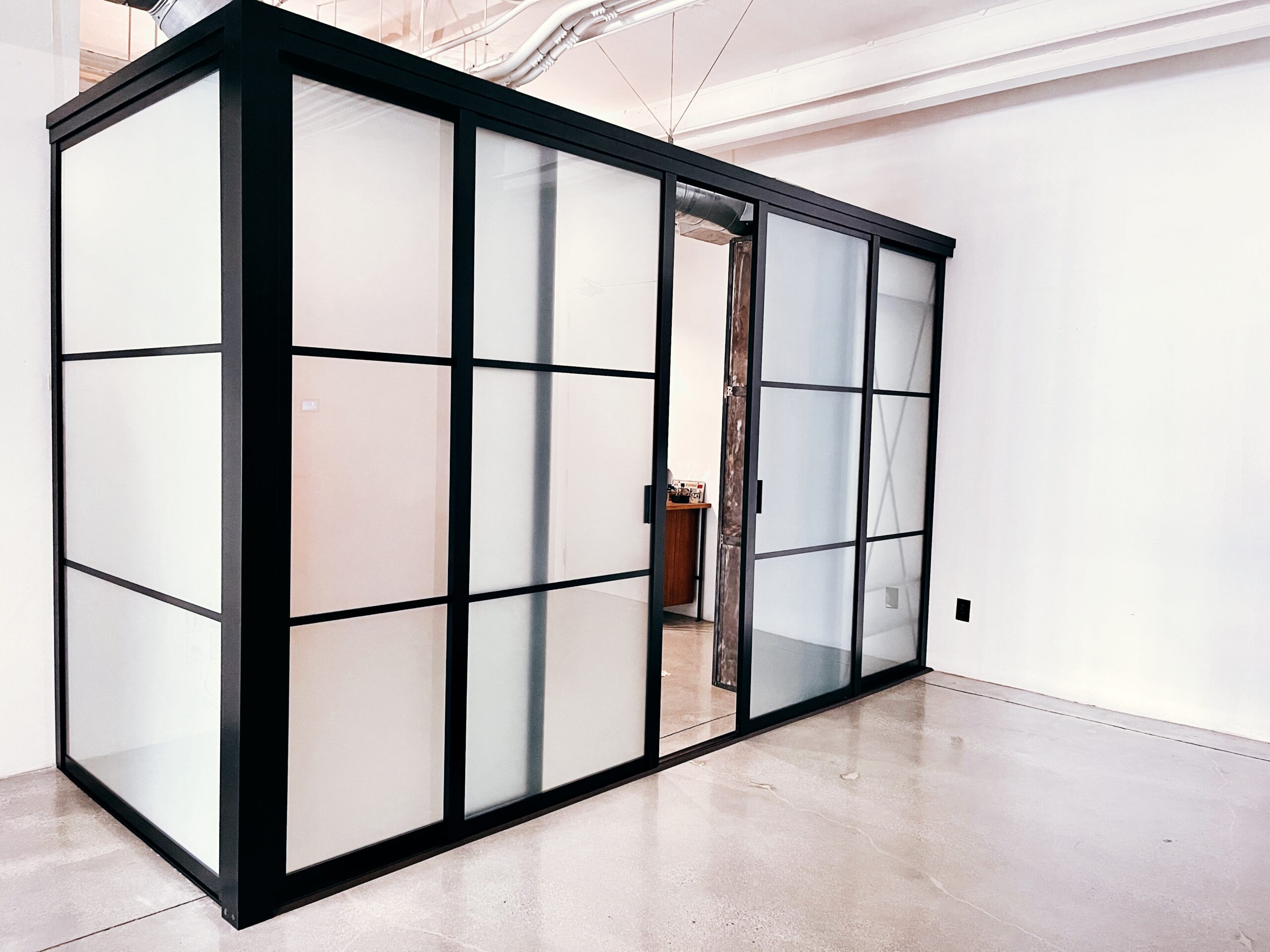
- Room dividers
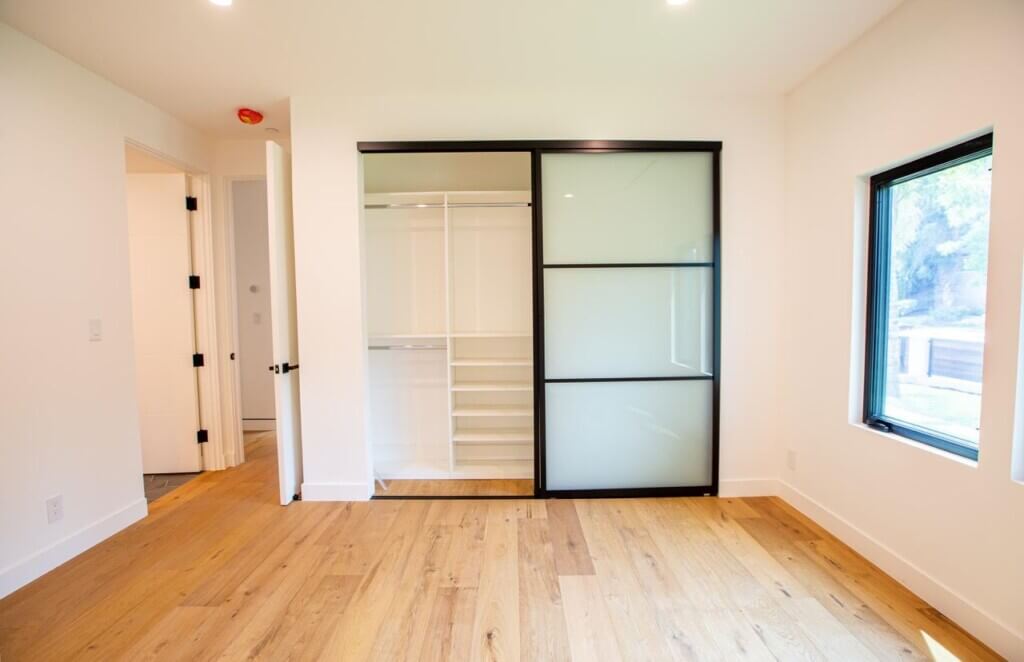
- Closet systems
- Large glass wall openings
- Indoor-outdoor living transitions
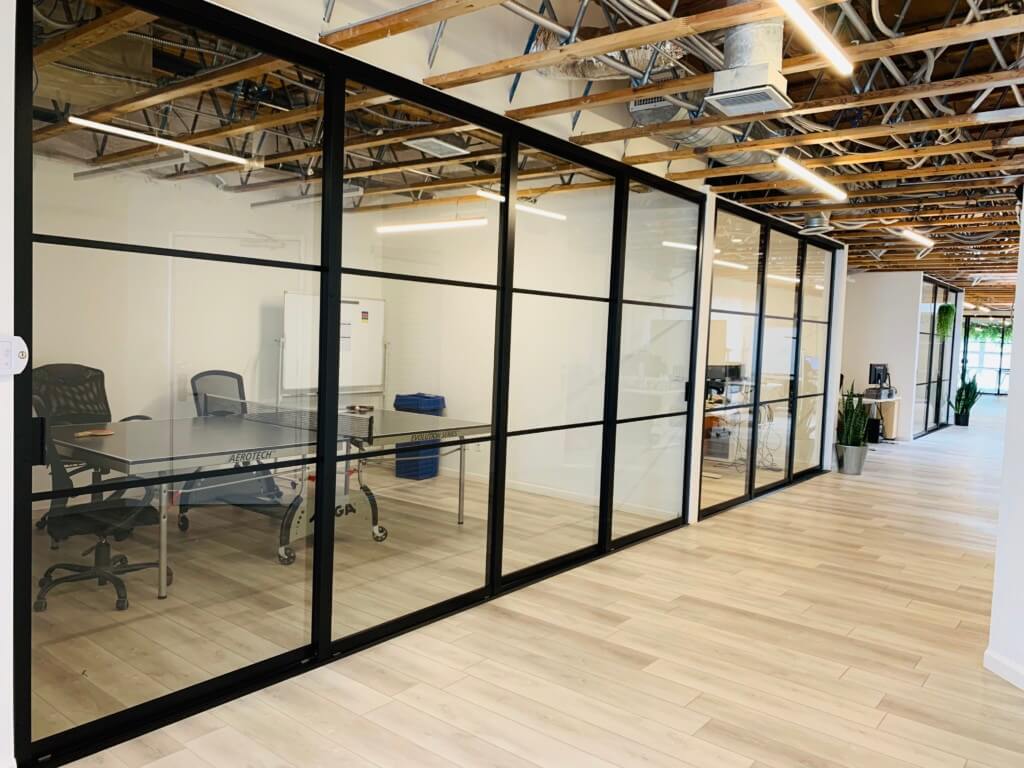
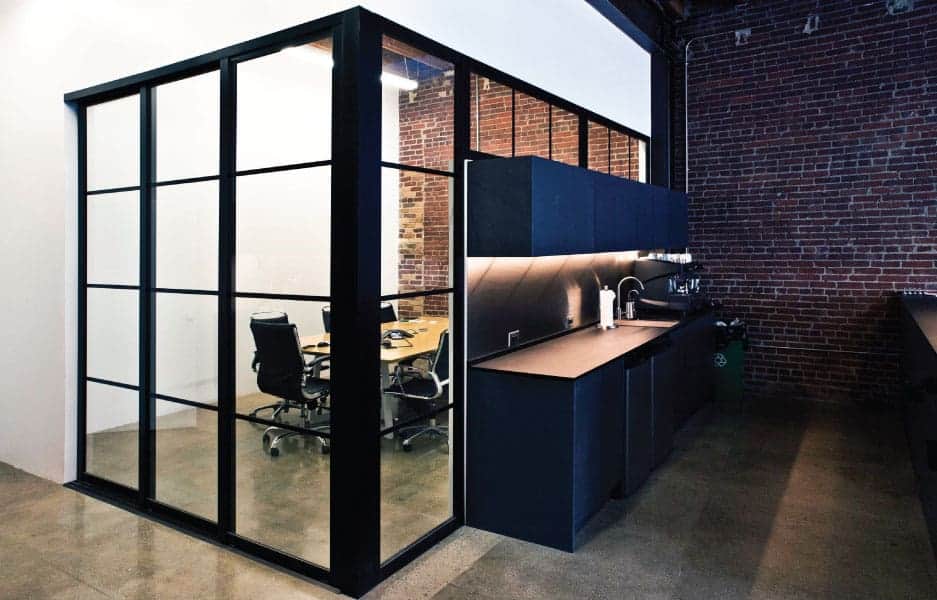
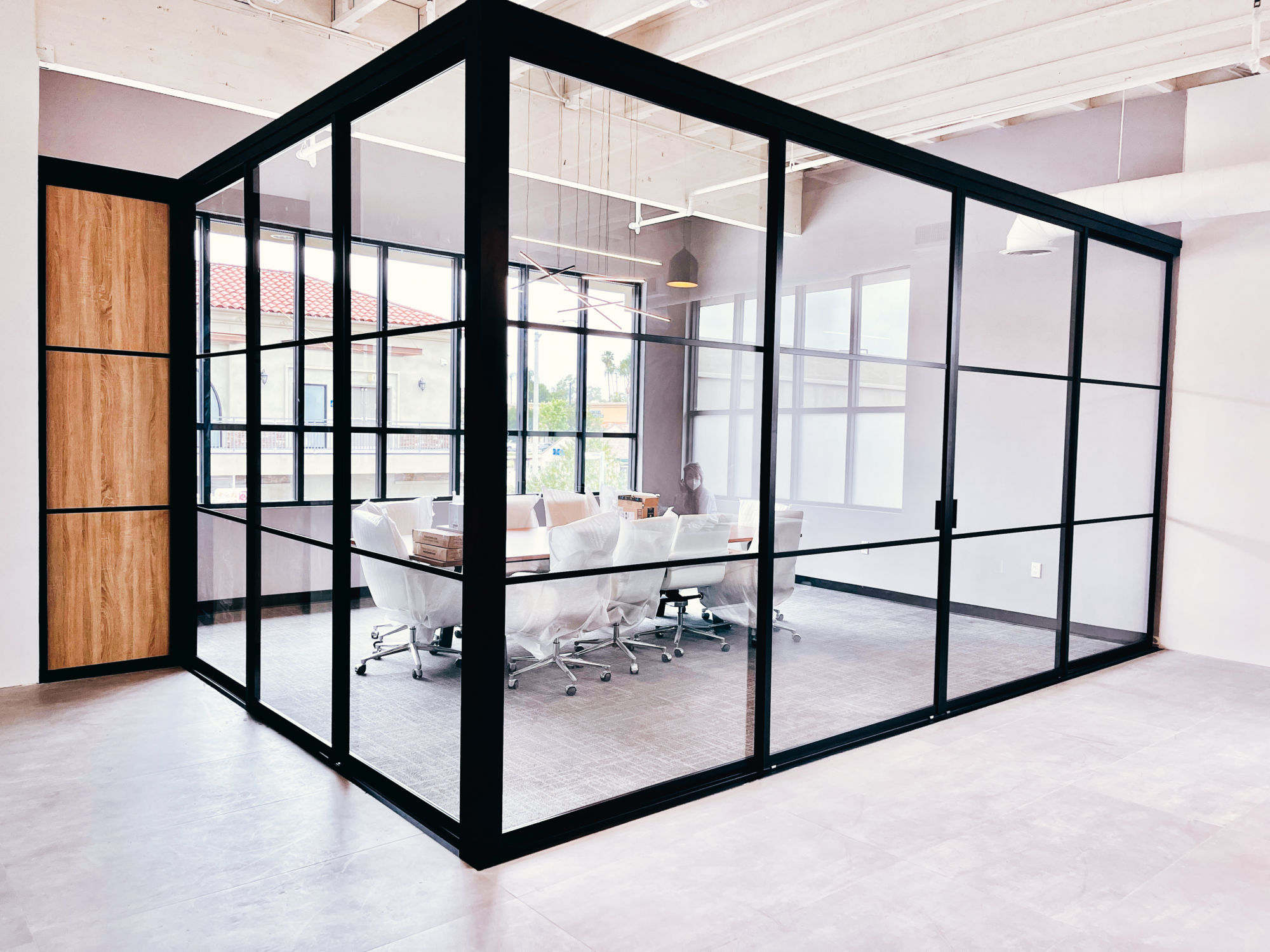
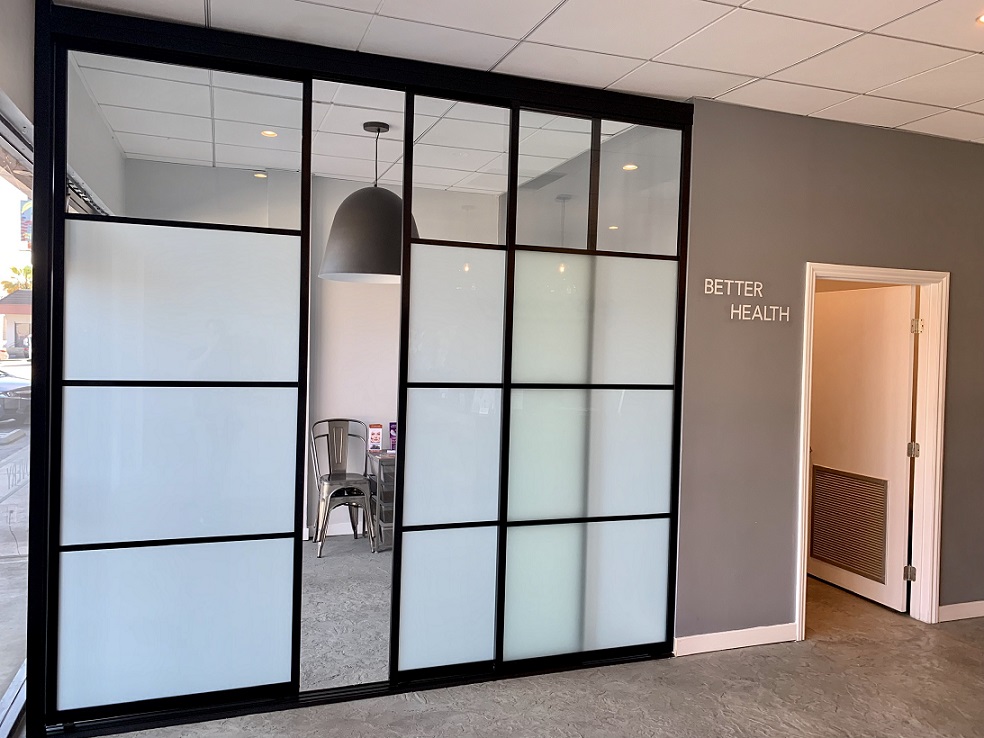
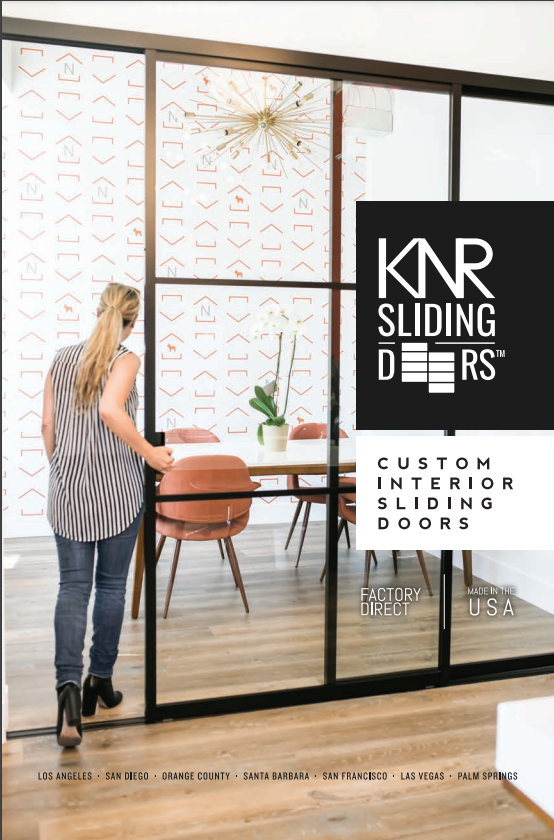
Their clean lines and expansive glass panels create a contemporary feel while improving visibility and light flow.
How Traditional Swing Doors Work
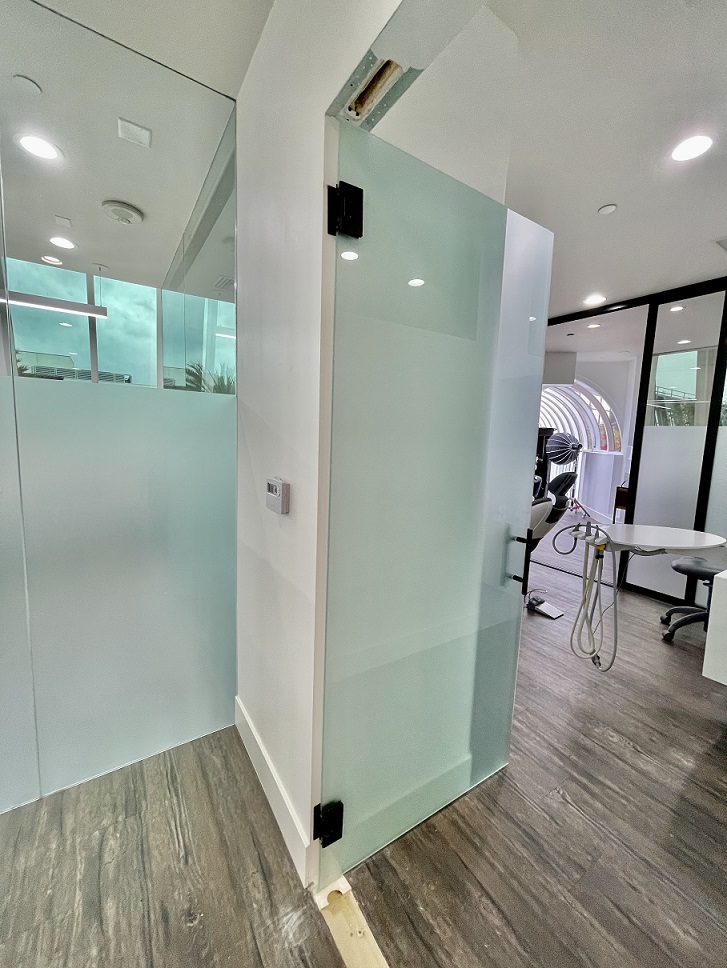
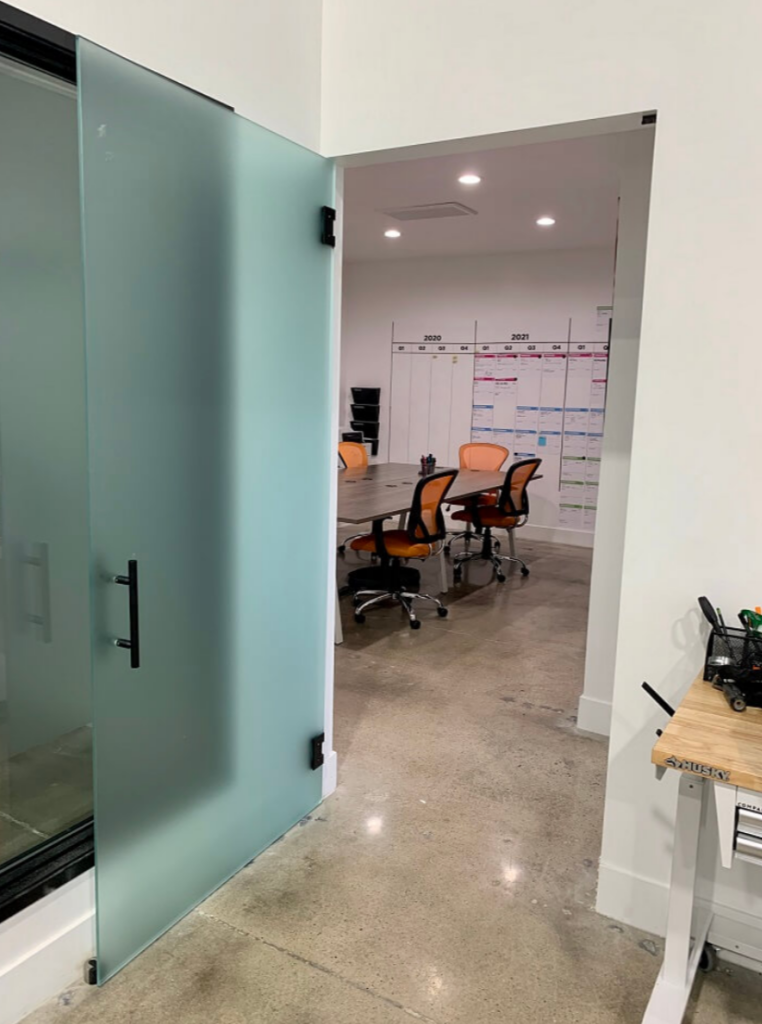
Traditional swing doors operate on hinges attached to a door frame. They open inward or outward in an arc, requiring adequate clearance space for full movement.
Swing doors are found throughout most homes, especially in bedrooms, bathrooms, and entryways. They offer straightforward installation and a familiar function that many homeowners are accustomed to.
While classic and reliable, swing doors demand dedicated floor space for operation. Furniture placement and traffic flow must accommodate the door’s movement path, which can limit design flexibility in smaller areas.
Space Efficiency and Layout Considerations
One of the biggest distinctions between sliding doors and swing doors is space utilization.
Sliding Doors: Maximizing Every Square Foot
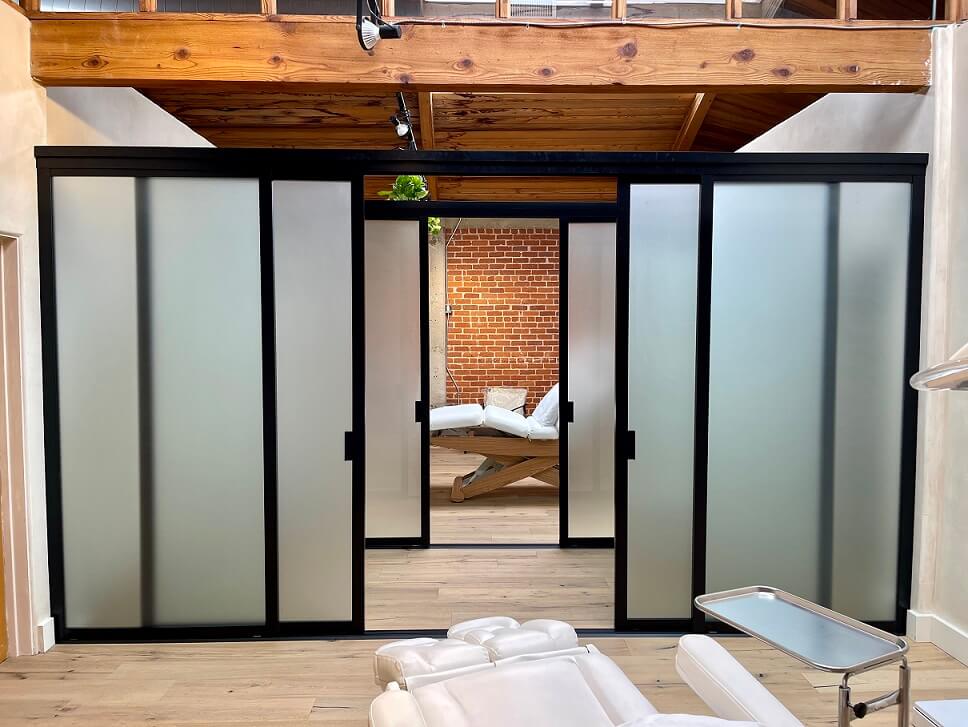
Sliding doors operate parallel to the wall, eliminating the need for swing clearance. This makes them ideal for:
- Compact rooms
- Narrow hallways
- Small patios
- Urban homes where square footage is limited
In tighter spaces, every inch matters. Removing the swing arc frees up room for furniture, décor, or better walking paths. For open-concept homes, sliding doors create fluid transitions between areas without disrupting layout.
Swing Doors: Requiring Clearance Space
Swing doors require enough open space to fully extend. This can restrict furniture placement and reduce flexibility in room design. In smaller bedrooms or bathrooms, the swing radius can interfere with cabinetry, vanities, or storage solutions.
For homeowners prioritizing spatial efficiency, sliding systems often provide a more practical solution.
Natural Light and Visibility
Light changes the atmosphere of a home. It affects mood, energy use, and visual openness.
Sliding Doors: Expansive Glass Panels
Sliding doors typically feature larger glass surfaces than swing doors. This allows more natural light to enter the space and creates uninterrupted outdoor views.
For patio installations, sliding glass doors blur the boundary between indoors and outdoors. The result is a brighter interior and a stronger connection to your backyard or landscape.
Swing Doors: Limited Glass Surface
Traditional swing doors can include glass inserts, but they usually offer less viewing area compared to full-panel sliding systems. Solid-core swing doors block light entirely, which can be beneficial for privacy but limits brightness.
If maximizing daylight and visibility is a priority, sliding doors often provide a clear advantage.
Aesthetic Appeal and Architectural Style
Design plays a major role in choosing the right door system.
Sliding Doors: Modern and Streamlined
Sliding doors deliver a sleek, contemporary appearance. Their minimal frames and wide glass panels complement modern architecture and updated interiors.
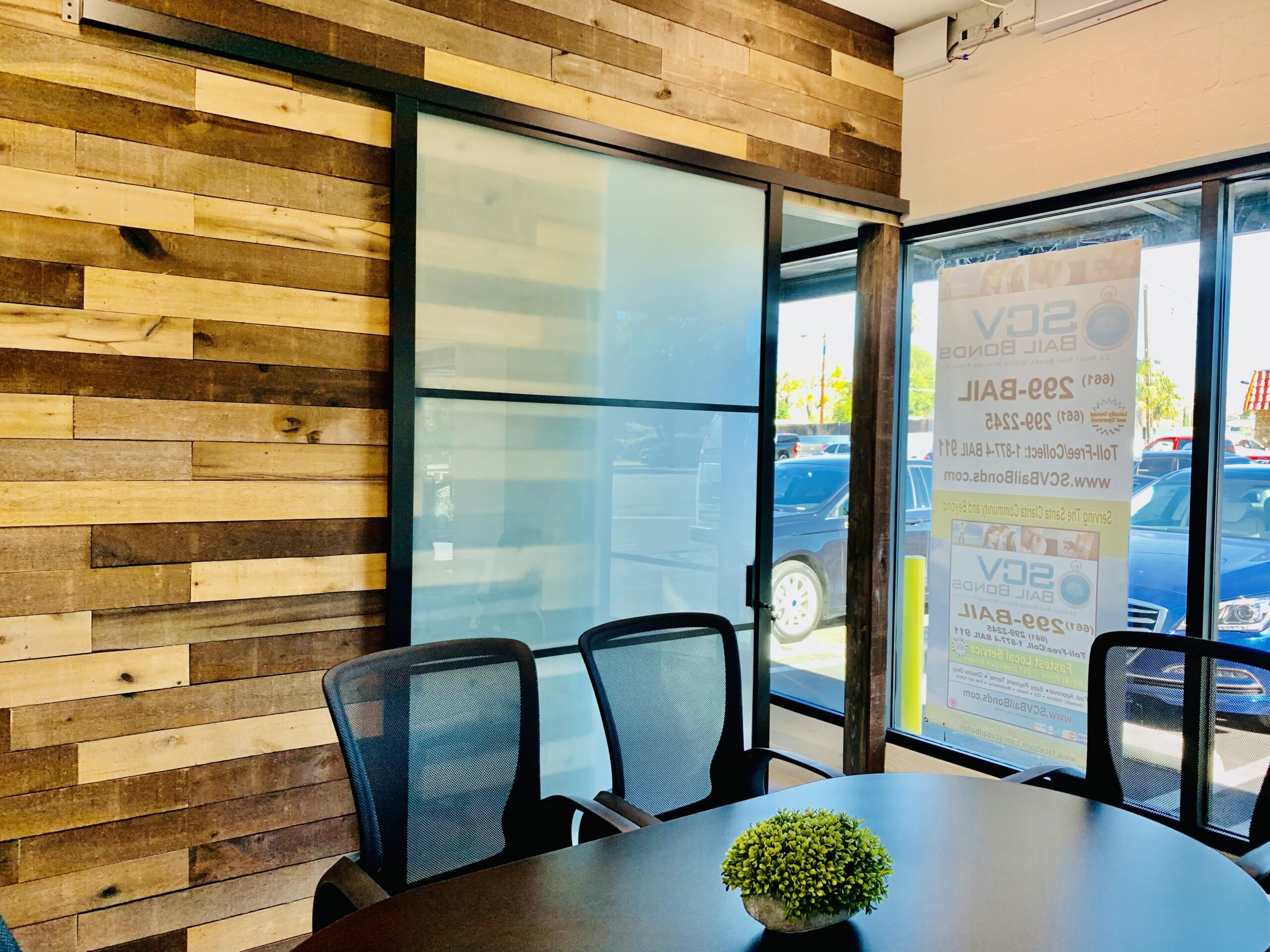
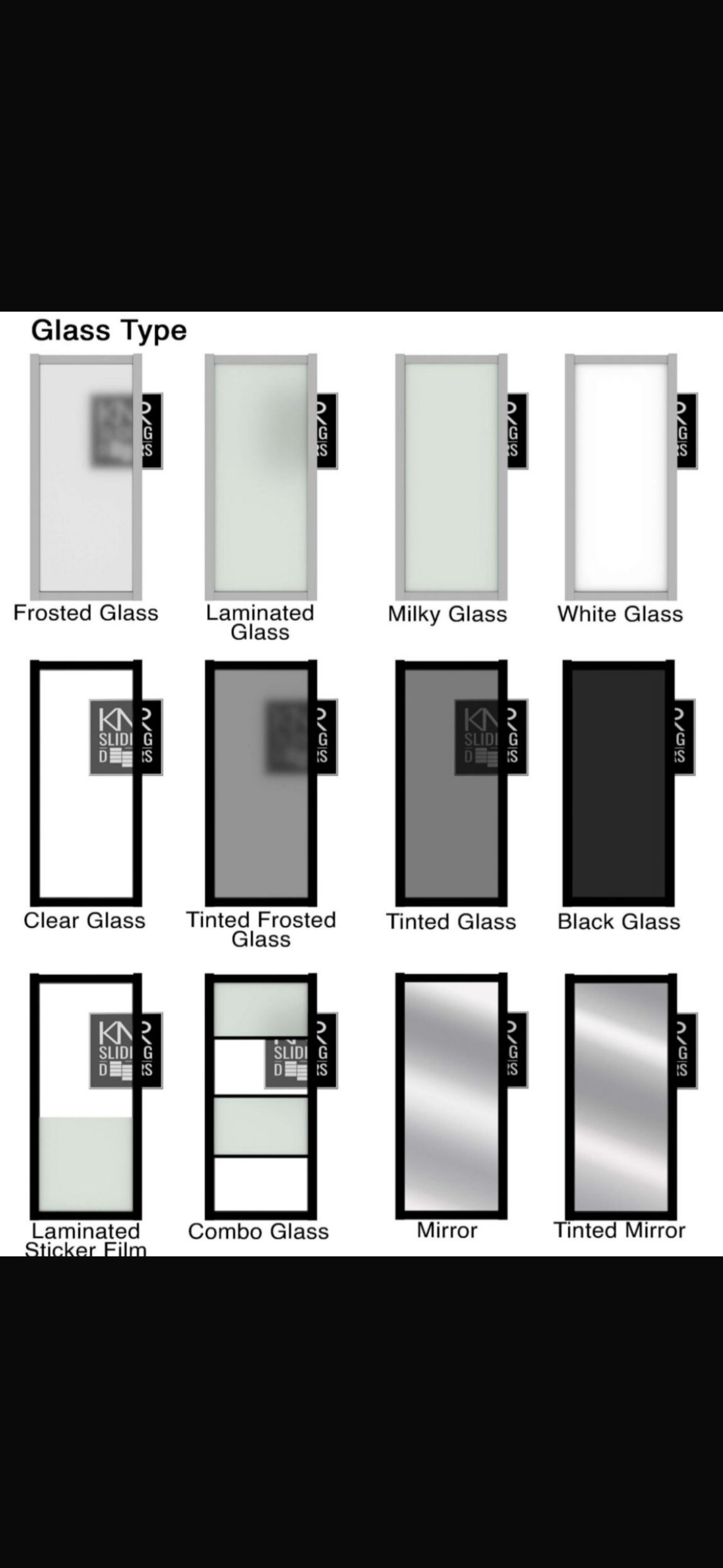
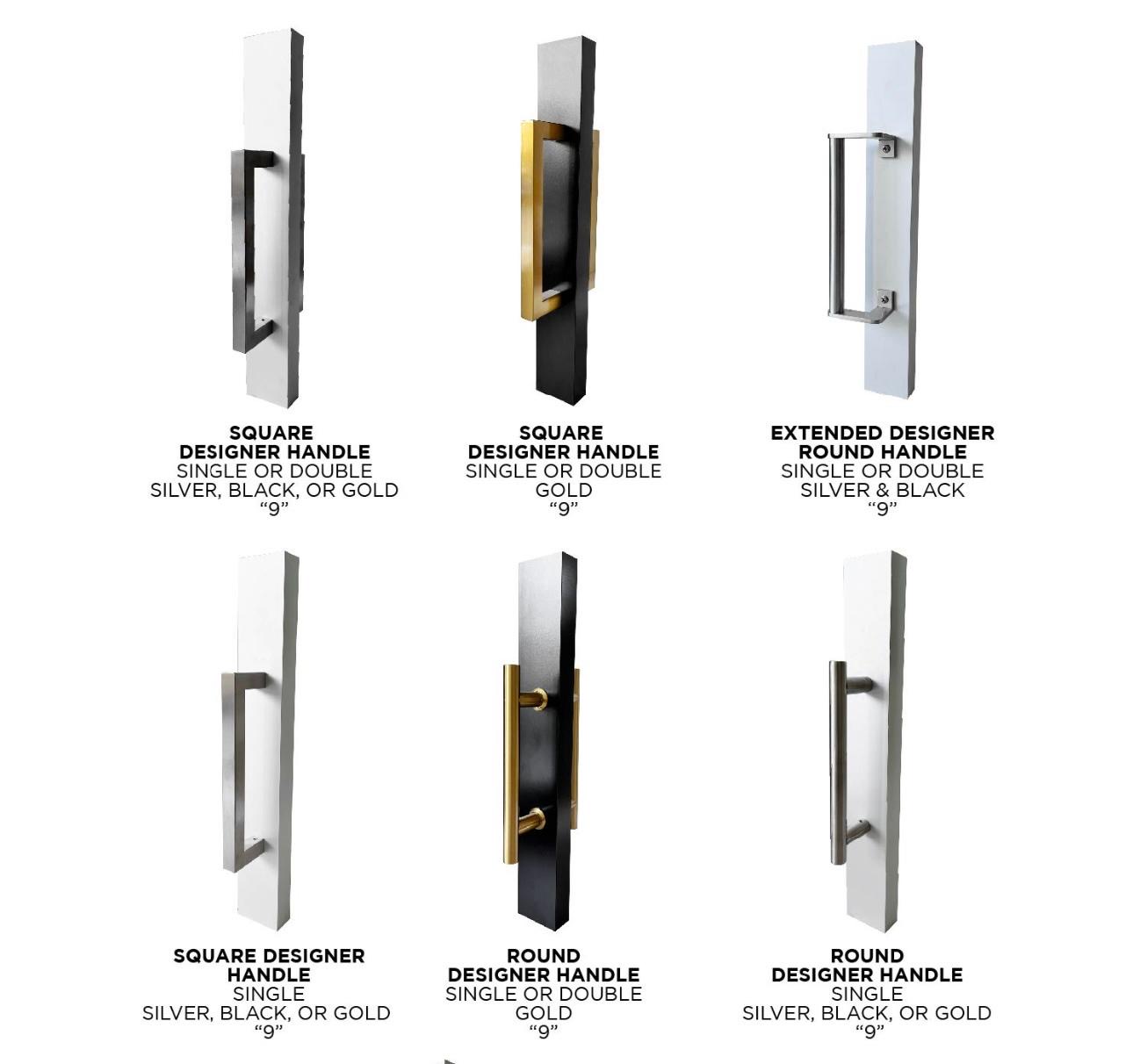
Custom-built sliding systems can be tailored to match your home’s style, finish preferences, and hardware selections. From aluminum frames to custom colors, the look can be refined to align with your design vision.
Swing Doors: Traditional and Versatile
Swing doors offer timeless appeal. They work well in traditional homes and can be customized with various panel styles, materials, and finishes.
For homeowners maintaining a classic interior aesthetic, swing doors may feel more aligned with the overall design theme.
The right choice depends on the architectural direction you want your home to reflect.
Indoor-Outdoor Living and Entertaining
Many homeowners today want a stronger connection between indoor and outdoor spaces.
Sliding doors support this lifestyle by offering wide openings and easy transitions to patios, decks, and yards. When partially or fully open, they create a seamless flow for entertaining guests or enjoying fresh air.
Swing doors typically provide narrower access points. Double French doors can expand the opening, but they still require clearance space on both sides.
For large patio openings or entertainment-focused layouts, sliding systems often deliver a more functional solution.
Maintenance and Longevity
Durability matters when investing in new doors.
High-quality sliding doors are designed with heavy-duty rollers and reinforced tracks. When professionally installed and properly maintained, they operate smoothly for years. Regular cleaning of tracks and occasional hardware checks keep them functioning efficiently.
Swing doors rely on hinges that can loosen over time, especially in high-traffic areas. Hinges may require tightening or replacement, and door frames can experience wear from repeated impact.
Custom fabrication and professional installation contribute significantly to long-term performance. A precisely fitted door reduces strain on hardware and improves overall lifespan.
Energy Efficiency and Insulation
Energy performance influences comfort and utility costs.
Modern sliding doors are built with insulated glass and weather-sealed frames. Tight construction reduces air leaks and improves temperature regulation.
Swing doors can also be energy efficient, particularly solid-core models. However, larger glass sliding systems today are engineered to meet high insulation standards when properly manufactured.
Selecting high-quality materials and professional installation ensures optimal thermal performance.
Accessibility and Ease of Use
Accessibility can affect day-to-day convenience.
Sliding doors require minimal effort to open and close when equipped with premium rollers. Their gliding motion can be easier for children and older adults compared to pulling or pushing a heavy swing door.
Swing doors require clearance and physical effort to move through their arc. In some layouts, this may create minor obstacles for mobility.
For homes prioritizing ease of movement, sliding systems can offer practical advantages.
Installation Considerations
Installation quality directly impacts performance.
Sliding doors require precise measurement and custom fabrication to ensure proper alignment. Professional installation guarantees smooth operation and secure sealing.
Swing doors are generally simpler to install, especially in pre-existing frames. However, replacing them with sliding systems may involve structural adjustments depending on the opening size.
Working with a manufacturer that designs and builds doors locally ensures control over quality and customization.
Cost Factors
Pricing varies depending on size, materials, glass type, and customization.
Swing doors often carry lower upfront costs for basic models. Sliding doors may require a higher initial investment due to glass panels and track systems.
However, sliding doors can add value by improving aesthetics, increasing natural light, and enhancing functional space. Long-term benefits often outweigh the initial difference in cost.
Every home is different, and budget considerations should align with long-term goals.
Which Option Is Right for You?
The decision ultimately depends on:
- Available space
- Desired level of natural light
- Architectural style
- Indoor-outdoor living goals
- Accessibility needs
- Budget
Sliding doors are ideal for homeowners seeking a modern look, improved space efficiency, and expansive glass views. Traditional swing doors remain suitable for classic interiors and spaces where clearance is not a concern.
Evaluating how each option integrates with your home’s layout will guide you toward the right choice.
Let’s Design the Right Door for Your Home
Choosing between sliding doors and traditional swing doors is more than a design decision. It affects how you experience your space every day.
If you are considering upgrading your doors, our team can help you explore custom sliding solutions tailored to your exact measurements and style preferences. We manufacture locally and focus on precision craftsmanship to ensure every installation meets high performance standards.Contact us today to schedule a consultation and discover how a custom sliding door system can transform your home’s functionality and visual appeal.