











Small spaces demand thoughtful design decisions. Every square foot has a purpose, and how you define that space can completely change how it looks and functions. Room dividers have become one of the most effective ways to create structure, privacy, and flow without adding permanent walls.
From studio apartments to compact home offices, the right divider can transform a single open area into multiple functional zones. With modern sliding door systems and custom solutions, homeowners now have more flexibility than ever to shape their space without sacrificing light or openness.
Why Room Dividers Work So Well in Small Spaces
In a smaller home, traditional walls can make a space feel closed off and restrictive. Room dividers offer a different approach. They allow you to define areas while maintaining an open and breathable layout.
A well-placed divider can:
- Create privacy when needed
- Reduce noise between areas
- Improve organization and functionality
- Maintain natural light flow throughout the space
Unlike permanent construction, dividers can adapt as your needs change. That flexibility makes them ideal for modern living, especially in homes where one room often serves multiple purposes.
Types of Room Dividers to Consider
Not all room dividers are created equal. The right choice depends on how you use your space and the level of separation you need.
Sliding Glass Room Dividers
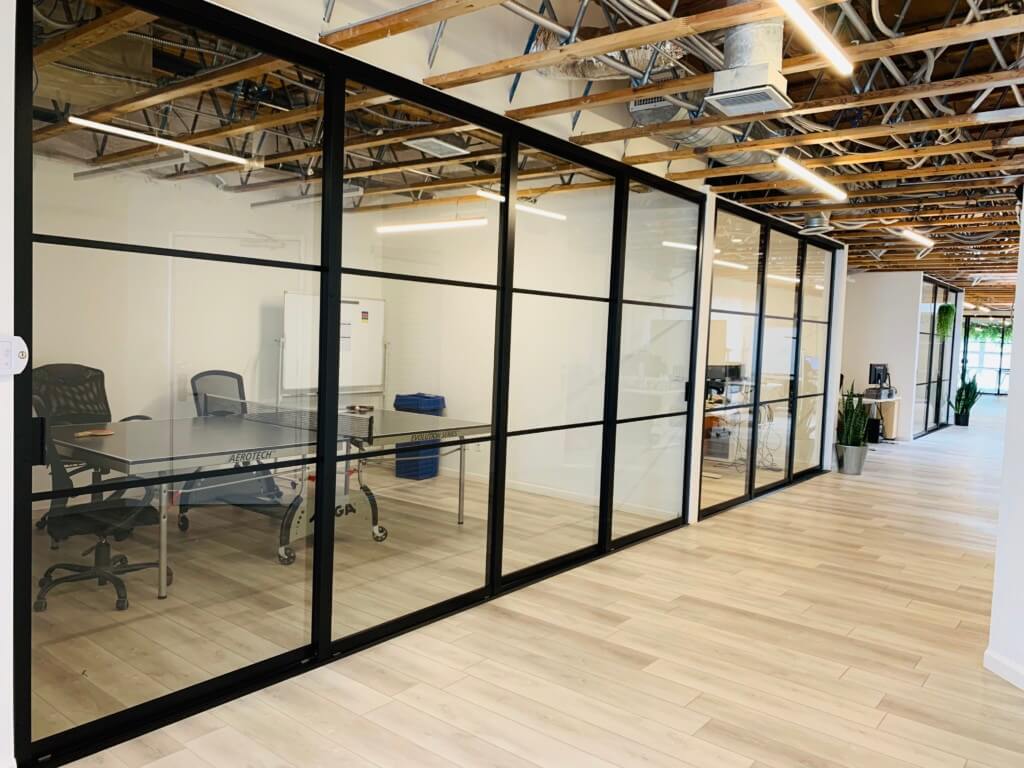
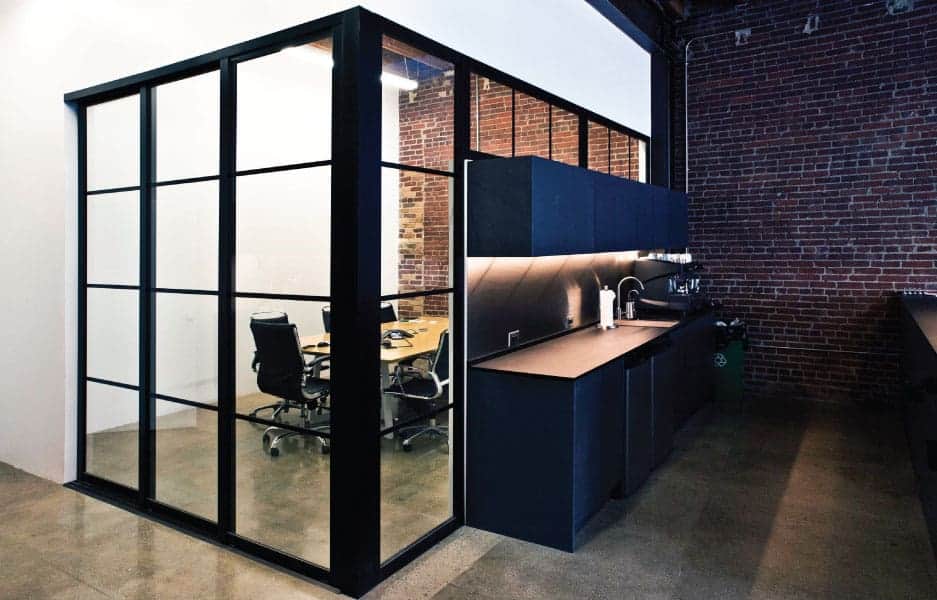
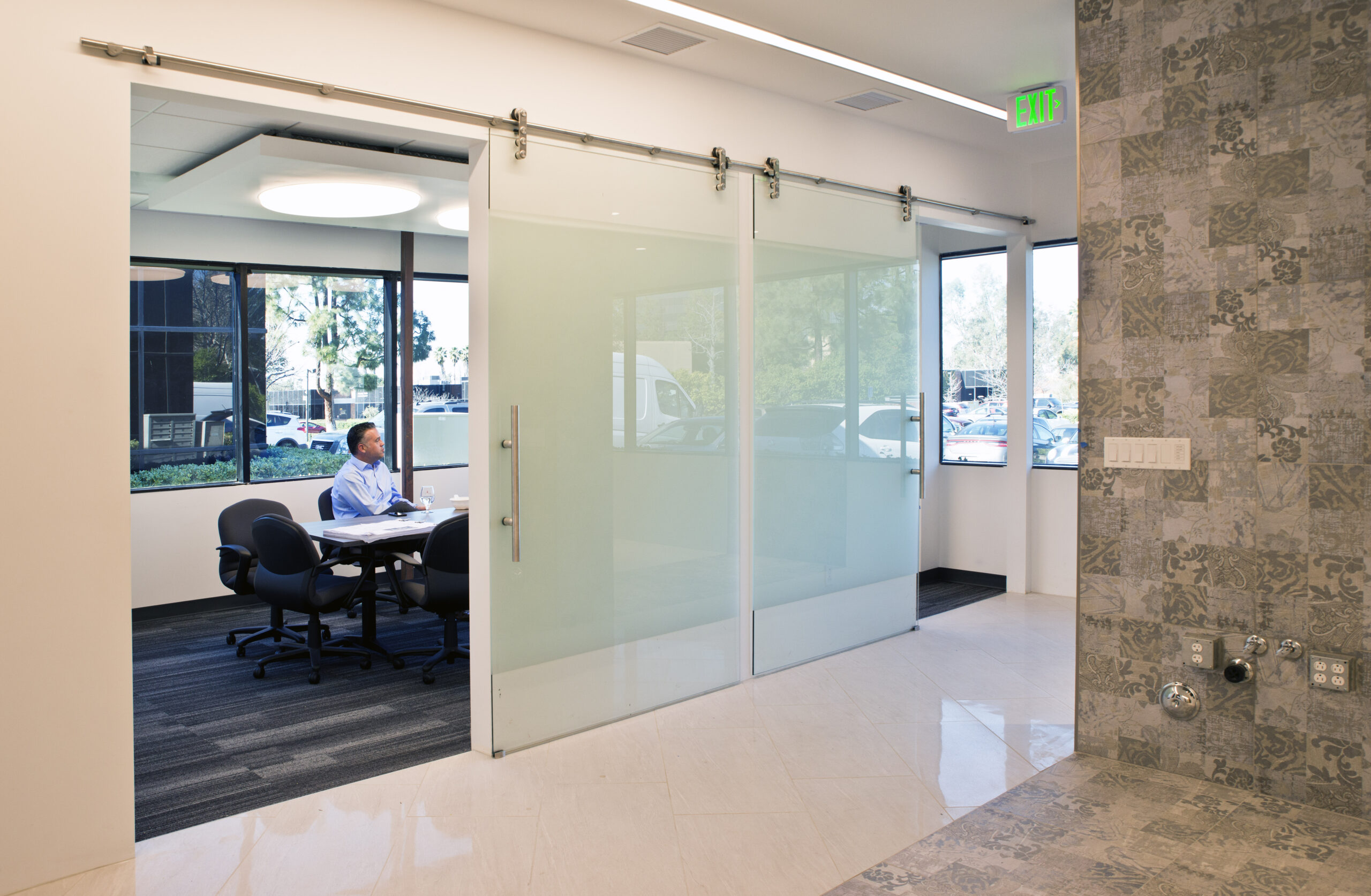
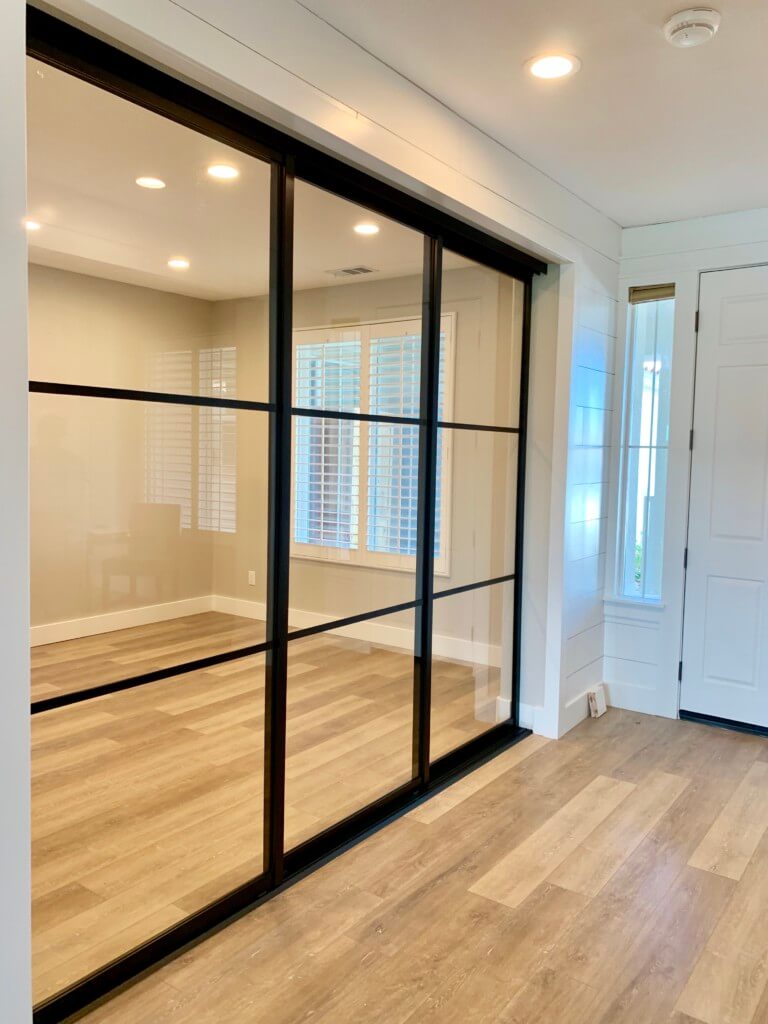
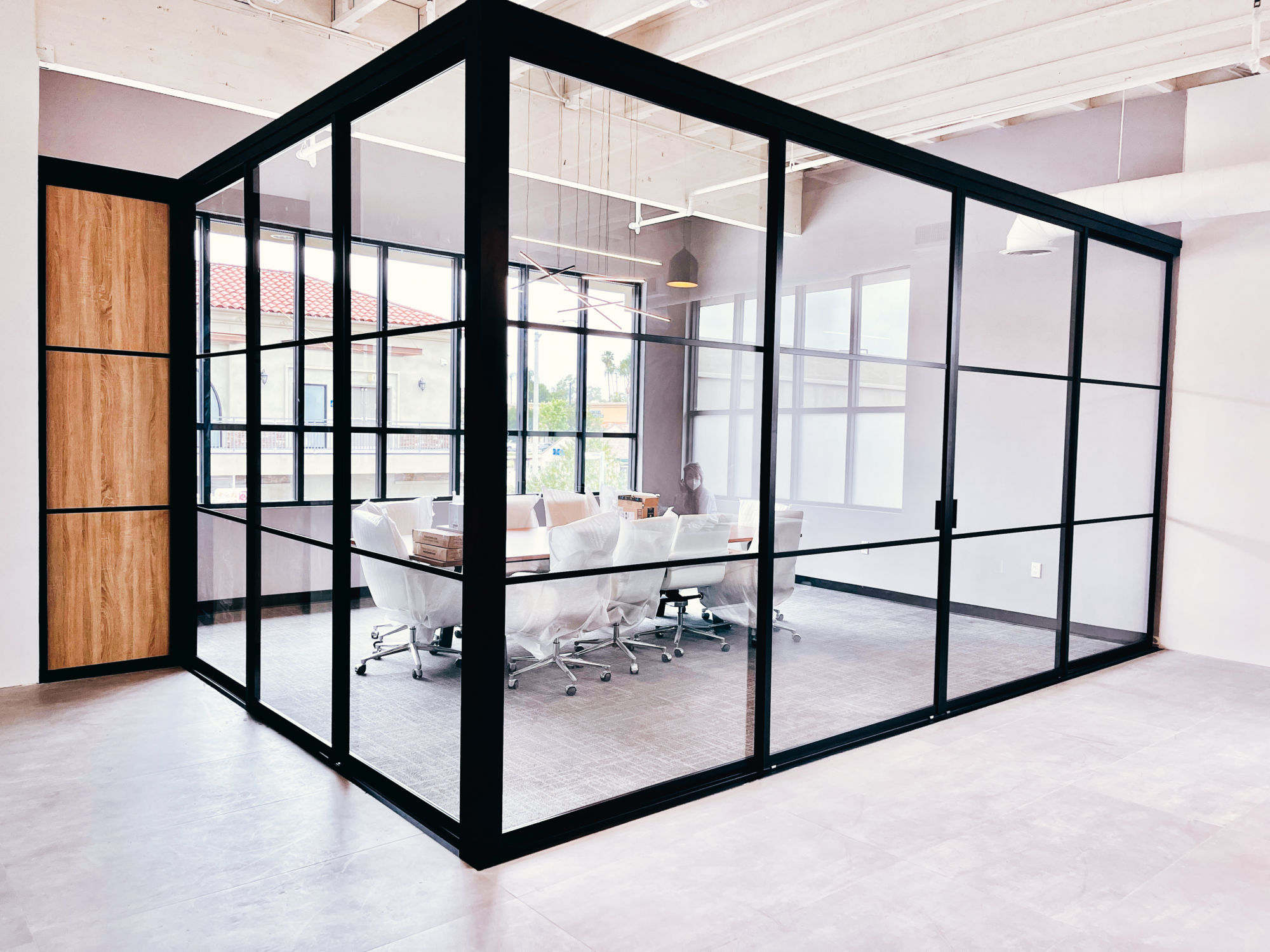
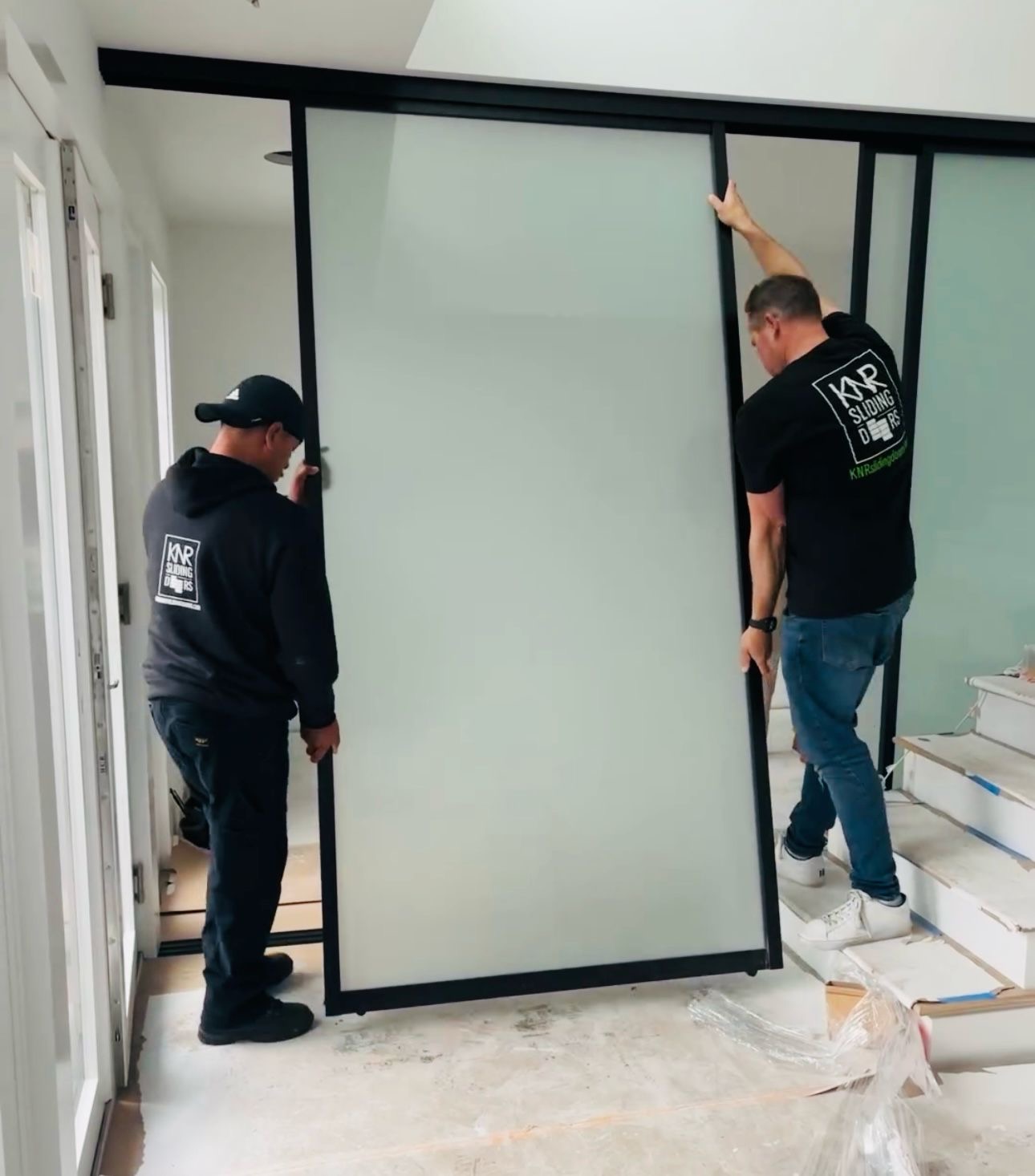
Sliding glass systems are one of the most popular solutions for small spaces. They allow light to pass through while still creating a clear boundary between areas.
These systems work well for:
- Separating living rooms from dining areas
- Creating a private home office
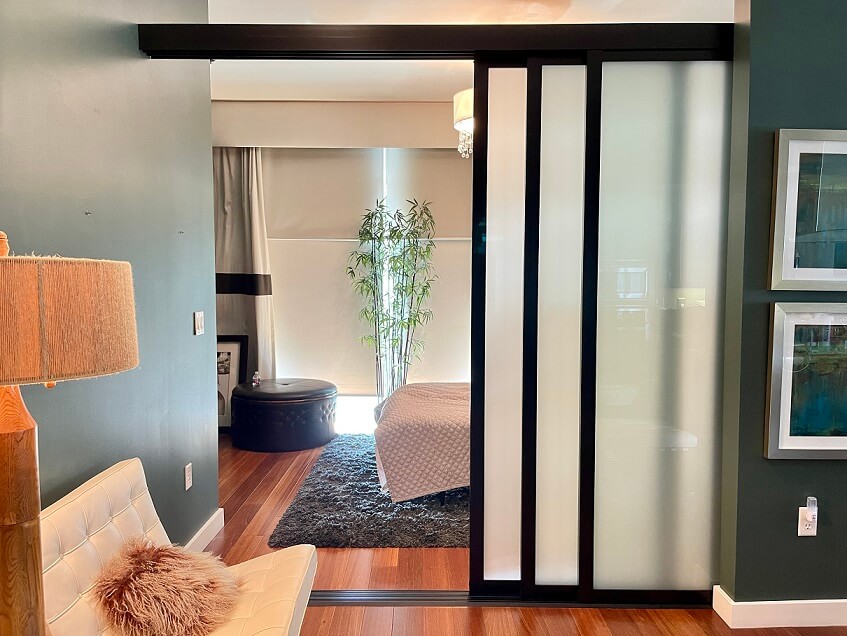
- Dividing bedrooms in studio layouts
Glass panels keep the space feeling open while providing a clean, modern look that blends with almost any interior style.
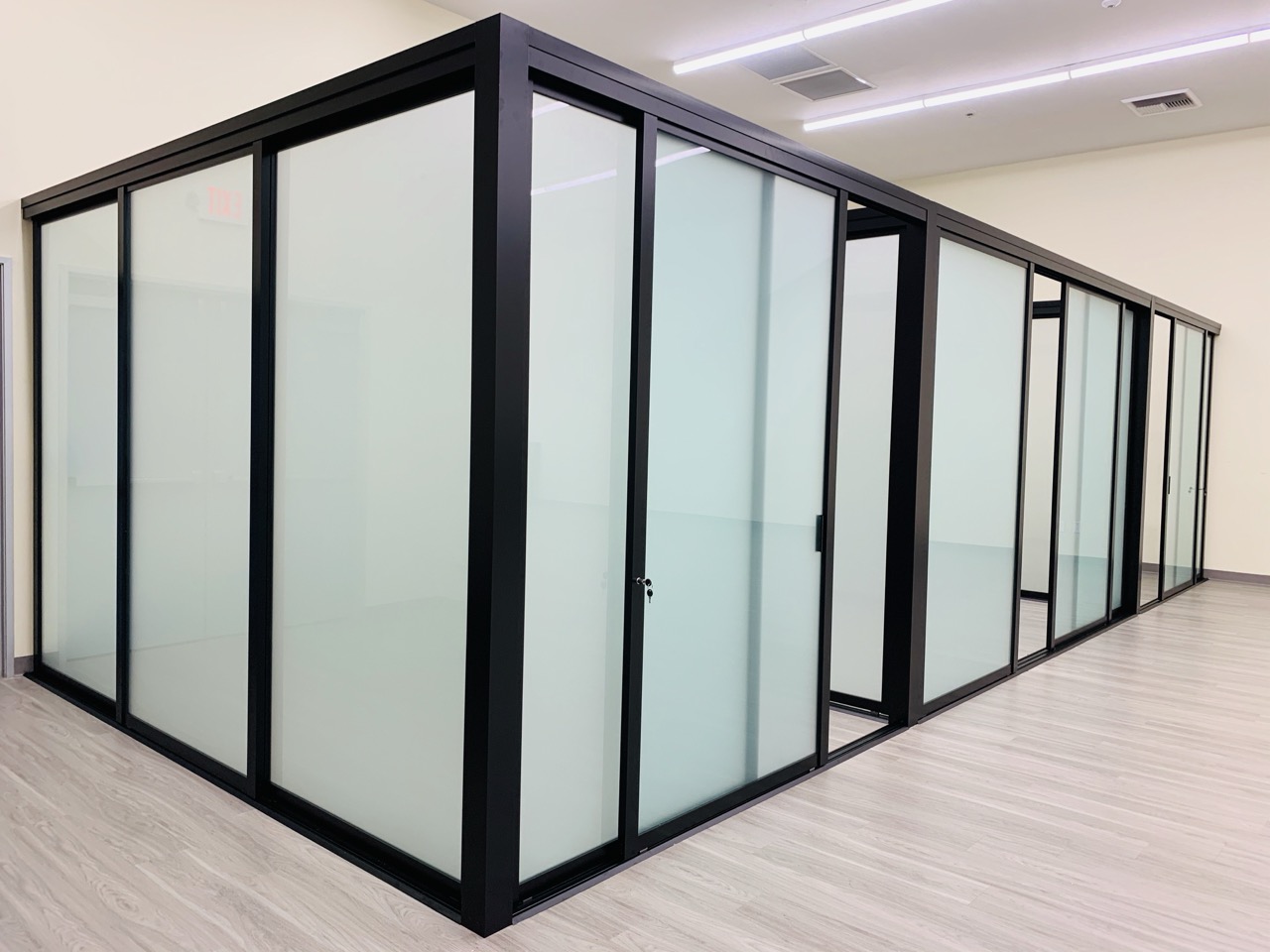
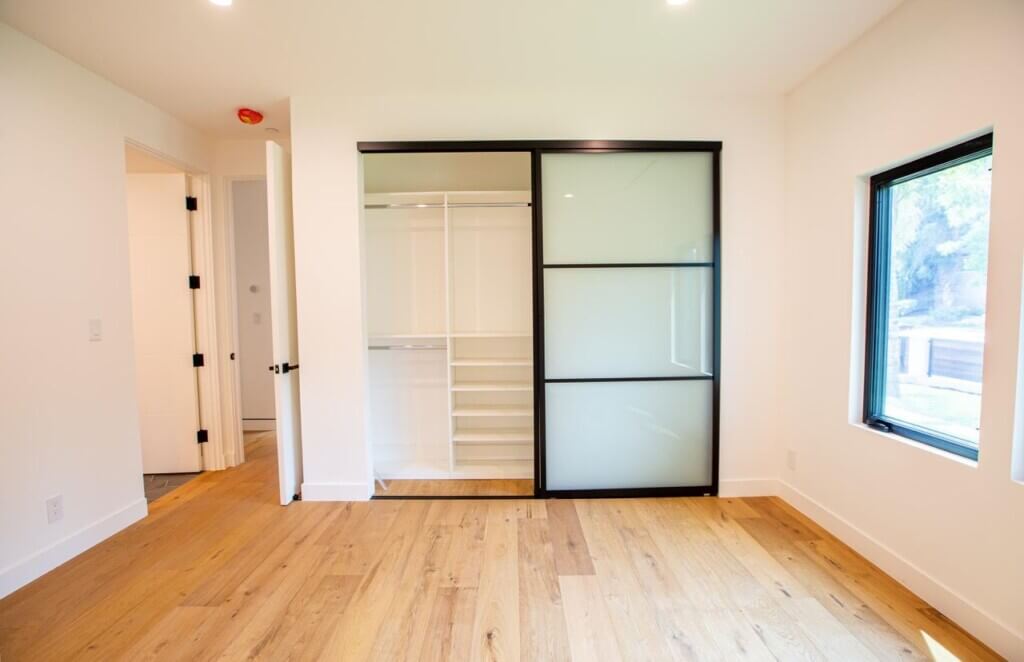
Frosted or Opaque Glass Dividers
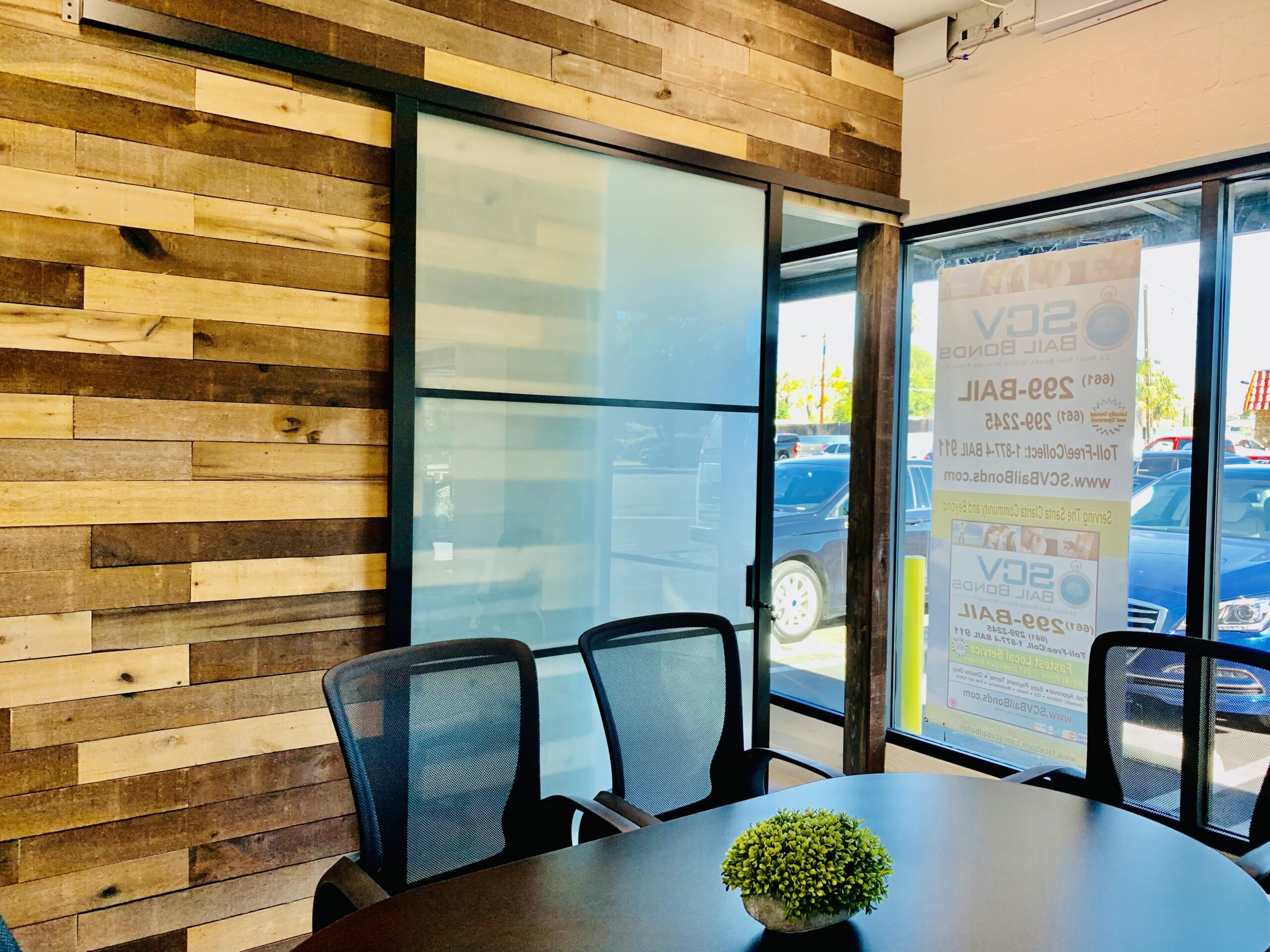
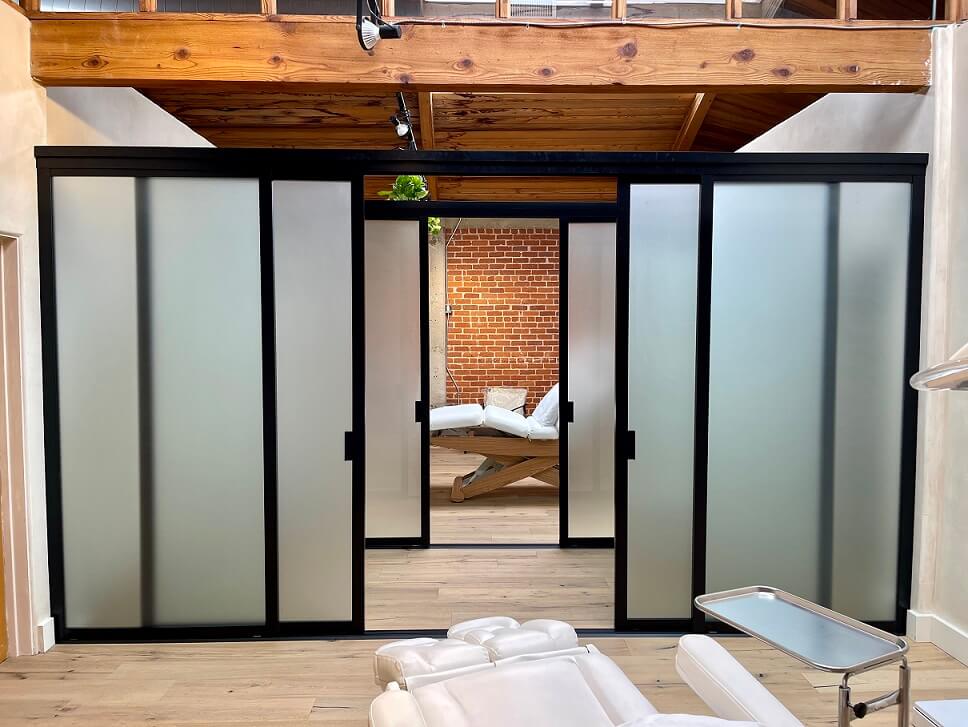
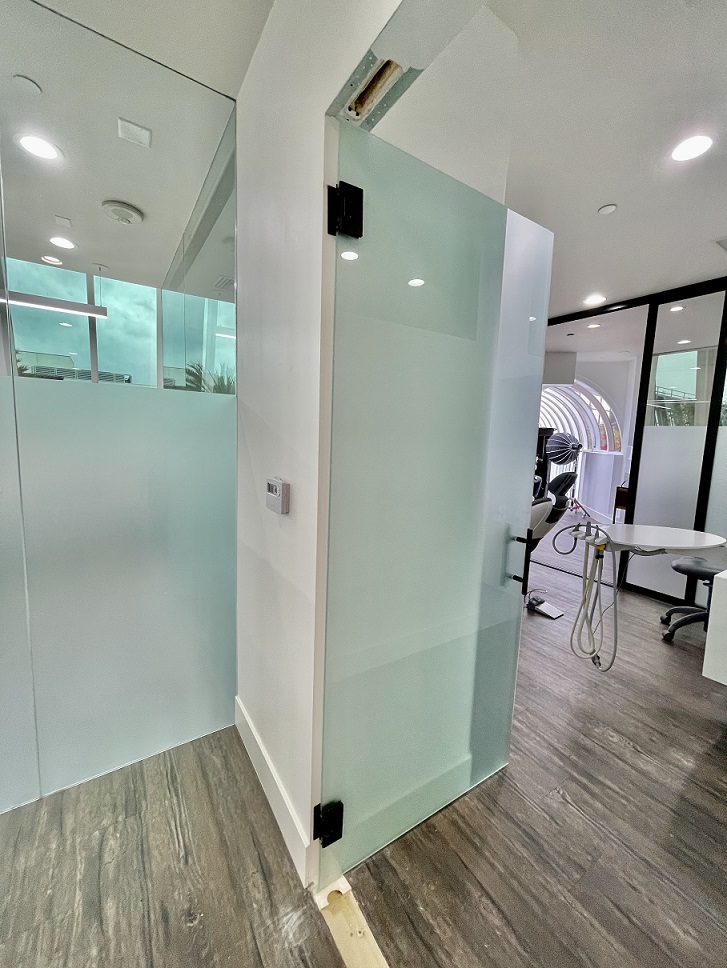
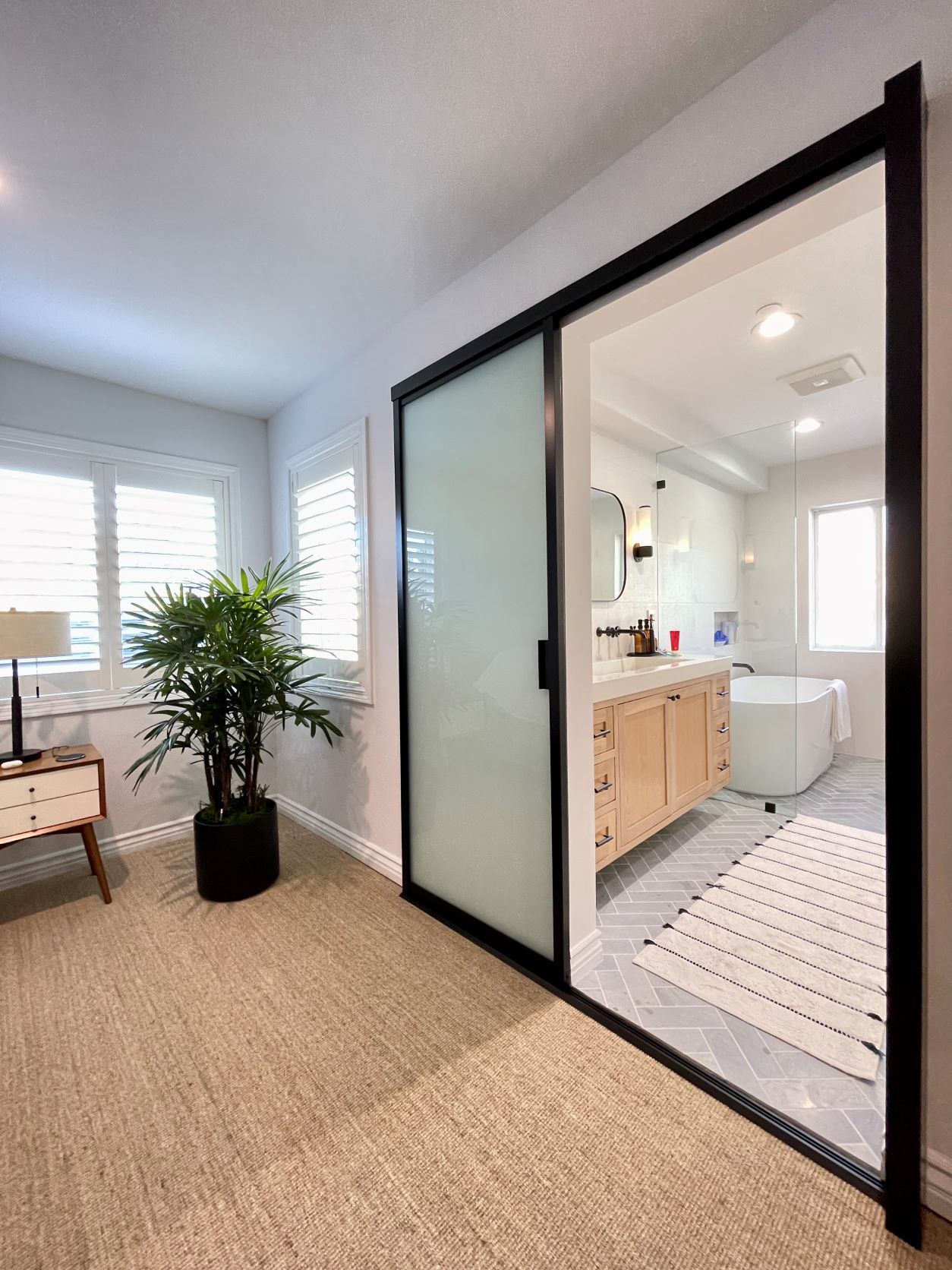
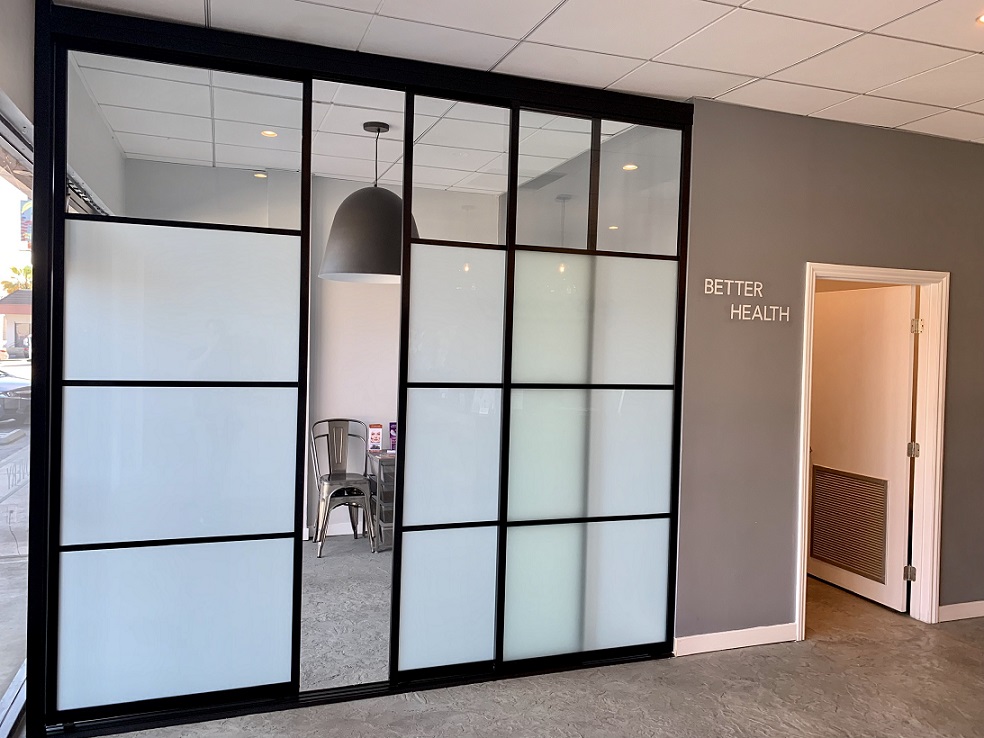
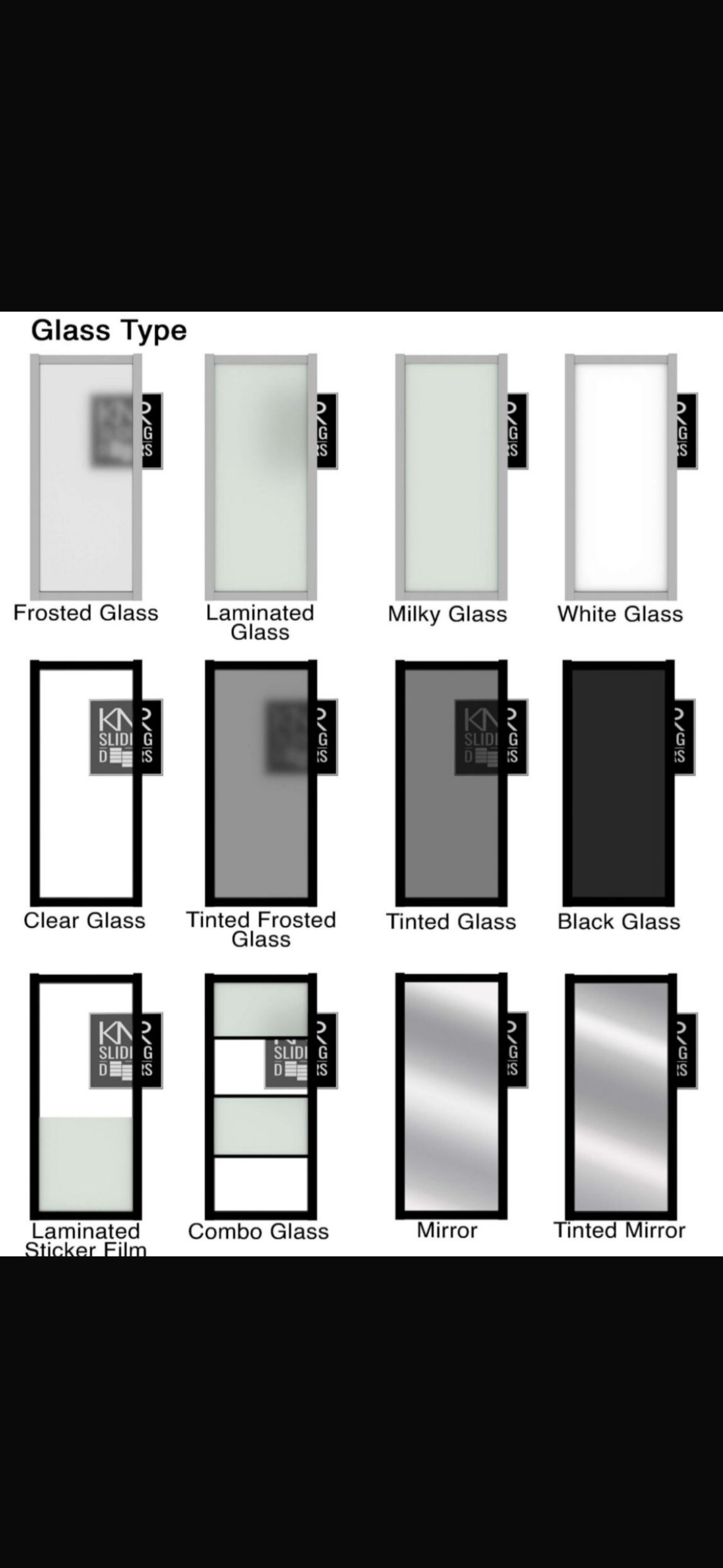
When privacy is a priority, frosted or opaque glass provides coverage without completely blocking light.
These are often used for:
- Bedrooms within open floor plans
- Bathrooms or dressing areas
- Workspaces that require reduced distractions
They strike a balance between openness and privacy, making them a practical choice for multi-use environments.
Wood and Solid Panel Dividers
Solid panels offer a more traditional level of separation. They can completely block visibility and sound, which may be useful in certain layouts.
These dividers are ideal for:
- Creating distinct sleeping areas
- Sectioning off storage spaces
- Adding warmth and texture to a room
However, they can make a space feel smaller if not used carefully. Placement and design play a major role in keeping the area from feeling crowded.
Multi-Panel Sliding Systems
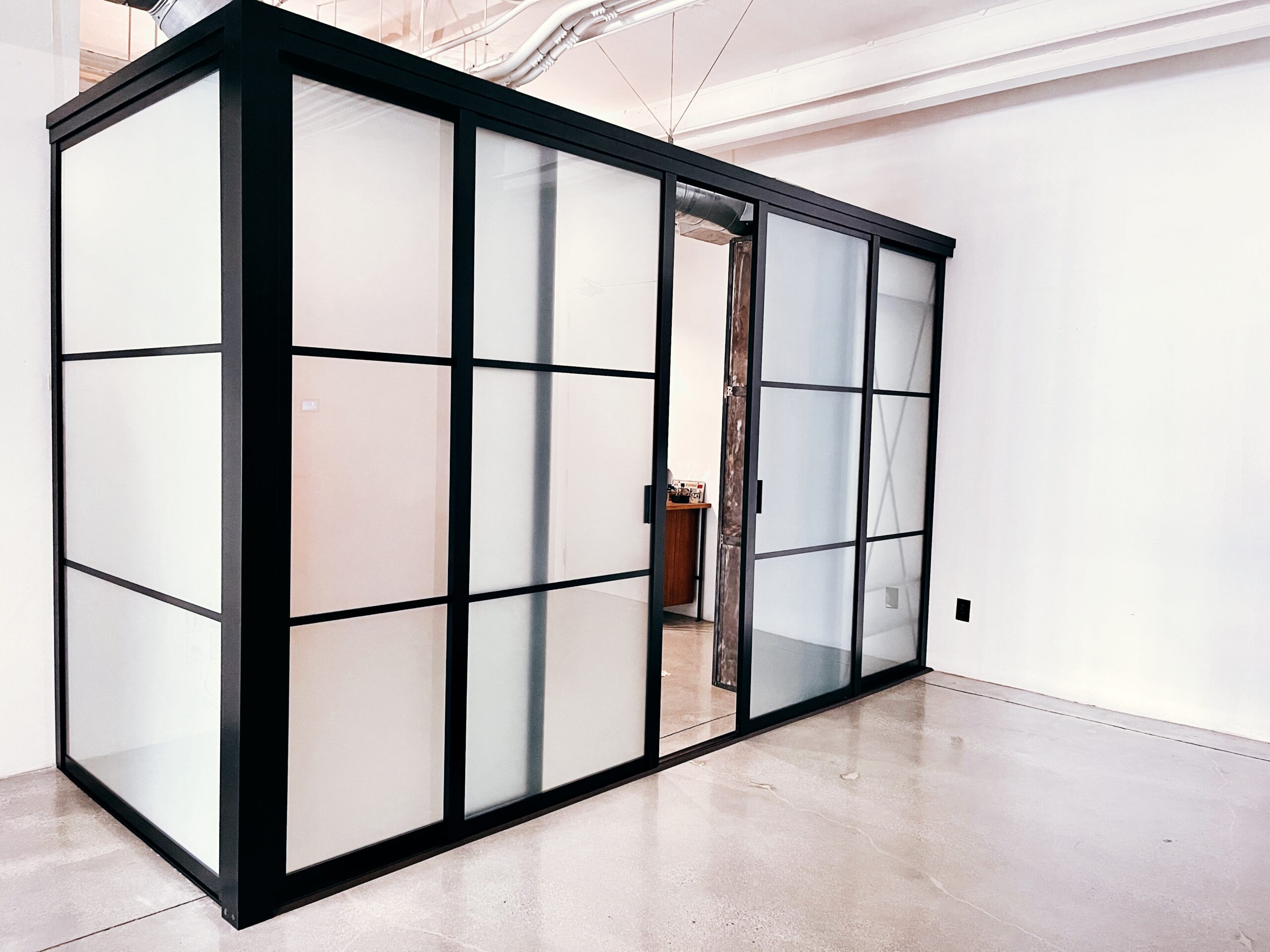
For maximum flexibility, multi-panel sliding systems allow you to open or close off large sections of a room as needed.
You can:
- Fully open the space for entertaining
- Partially close off areas for daily use
- Completely separate zones when privacy is required
This type of system works especially well in open-concept layouts where adaptability matters.
Best Ways to Use Room Dividers in Small Spaces
Knowing where and how to use a room divider makes all the difference. Strategic placement can improve both function and visual flow.
Create a Defined Living and Sleeping Area
In studio apartments or open layouts, separating the bed from the living space adds structure and comfort. A sliding divider can create a dedicated sleeping area without making the space feel closed in.
This approach also helps maintain a cleaner aesthetic, especially when guests are over.
Design a Functional Home Office
Working from home in a small space can be challenging without clear boundaries. A room divider can instantly create a focused workspace.
Sliding panels allow you to:
- Close off distractions during work hours
- Open the space when the workday ends
This flexibility helps maintain a better balance between productivity and relaxation.
Separate Dining and Living Areas
In compact homes, dining and living spaces often share the same footprint. A divider can subtly define each area without interrupting the overall flow.
Glass or partially transparent materials work especially well here, as they keep the space visually connected.
Add Privacy Without Losing Light
Natural light is one of the most valuable features in a small space. Traditional walls can block it, making rooms feel darker and smaller.
Using glass dividers allows light to travel freely while still creating distinct zones. This approach keeps the space bright and inviting.
Design Tips for Maximizing Small Spaces
Choosing a room divider is only part of the process. How you integrate it into your space matters just as much.
Keep Materials Light and Minimal
Heavy or bulky dividers can overwhelm a small room. Opt for slim profiles and clean lines that complement the existing design.
Glass and aluminum frames are excellent choices for maintaining a modern and streamlined look.
Match the Divider to Your Interior Style
Consistency in design helps the space feel cohesive. Choose finishes and materials that align with your flooring, furniture, and overall aesthetic.
A well-integrated divider should feel like a natural extension of the room rather than an added feature.
Consider Track Systems and Installation
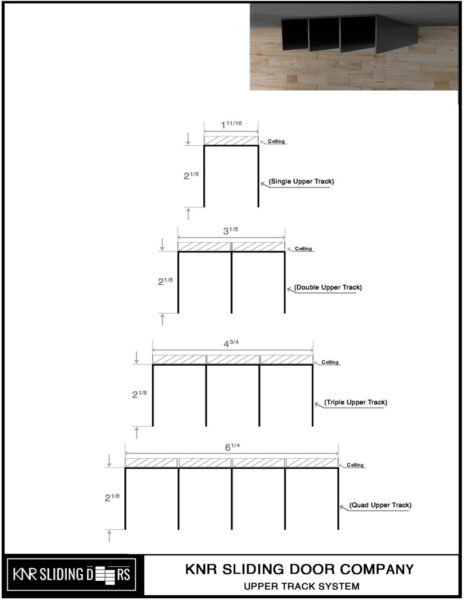
Sliding systems require proper planning for tracks and installation. Ceiling-mounted tracks can create a cleaner appearance and reduce visual clutter on the floor.
Professional installation ensures smooth operation and long-term durability.
Think About Long-Term Flexibility
Your needs may change over time. Selecting a divider that can adapt to different uses allows your space to evolve without major renovations.
This is especially valuable in growing households or multi-purpose living environments.
Common Mistakes to Avoid
Even a well-designed divider can fall short if certain details are overlooked.
Blocking Too Much Light
Choosing a fully opaque divider in a space that relies on natural light can make the area feel smaller. Consider how light moves through your home before making a decision.
Overcomplicating the Layout
Too many dividers can create a cluttered and disjointed feel. Focus on defining key areas rather than dividing every section.
Ignoring Scale and Proportion
A divider that is too large or too heavy for the space can overwhelm the room. Proper sizing ensures balance and functionality.
Why Sliding Door Systems Are a Smart Choice
Sliding door systems stand out because they combine functionality with clean design. They provide the separation you need without taking up additional floor space.
Unlike swinging doors, sliding systems:
- Do not require clearance to open
- Maintain a streamlined appearance
- Offer smooth and quiet operation
Custom-built systems can be tailored to fit your exact dimensions, ensuring a seamless fit that enhances both usability and style.
Transform Your Space with the Right Divider
Small spaces do not have to feel limiting. With the right room divider, you can create a layout that supports your lifestyle while maintaining an open and comfortable environment.
From glass sliding systems to custom multi-panel designs, the options available today allow for precise control over how your space looks and functions. Thoughtful planning and the right materials can turn even the most compact area into a well-defined and versatile living space.If you are ready to upgrade your home with a solution that blends design and functionality, explore custom sliding door systems built to fit your space perfectly. A tailored approach ensures that every detail works together to create a space that feels intentional and refined.