
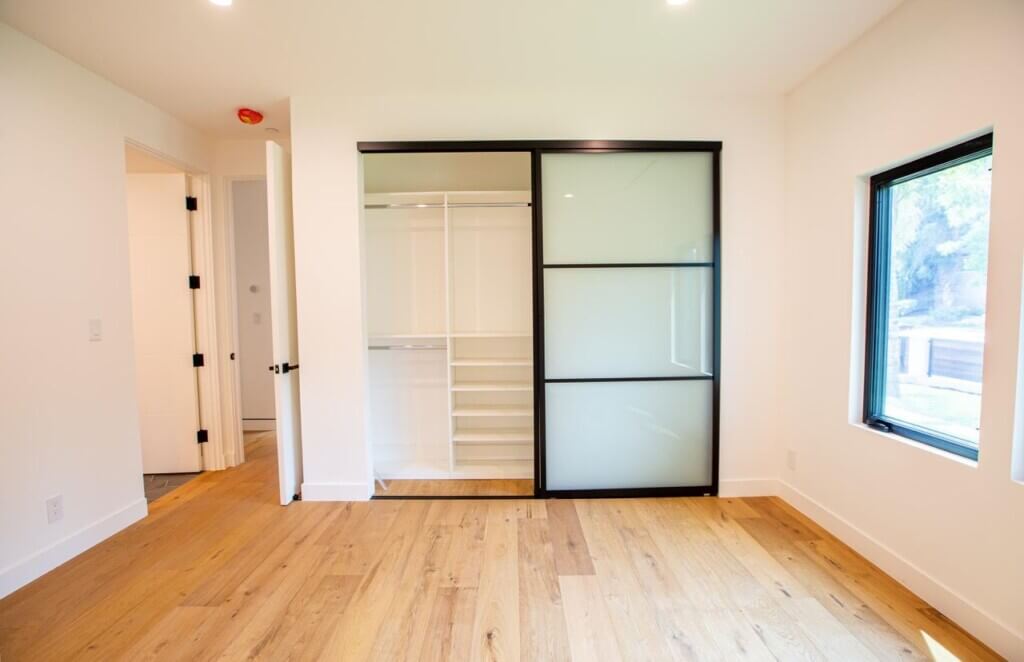
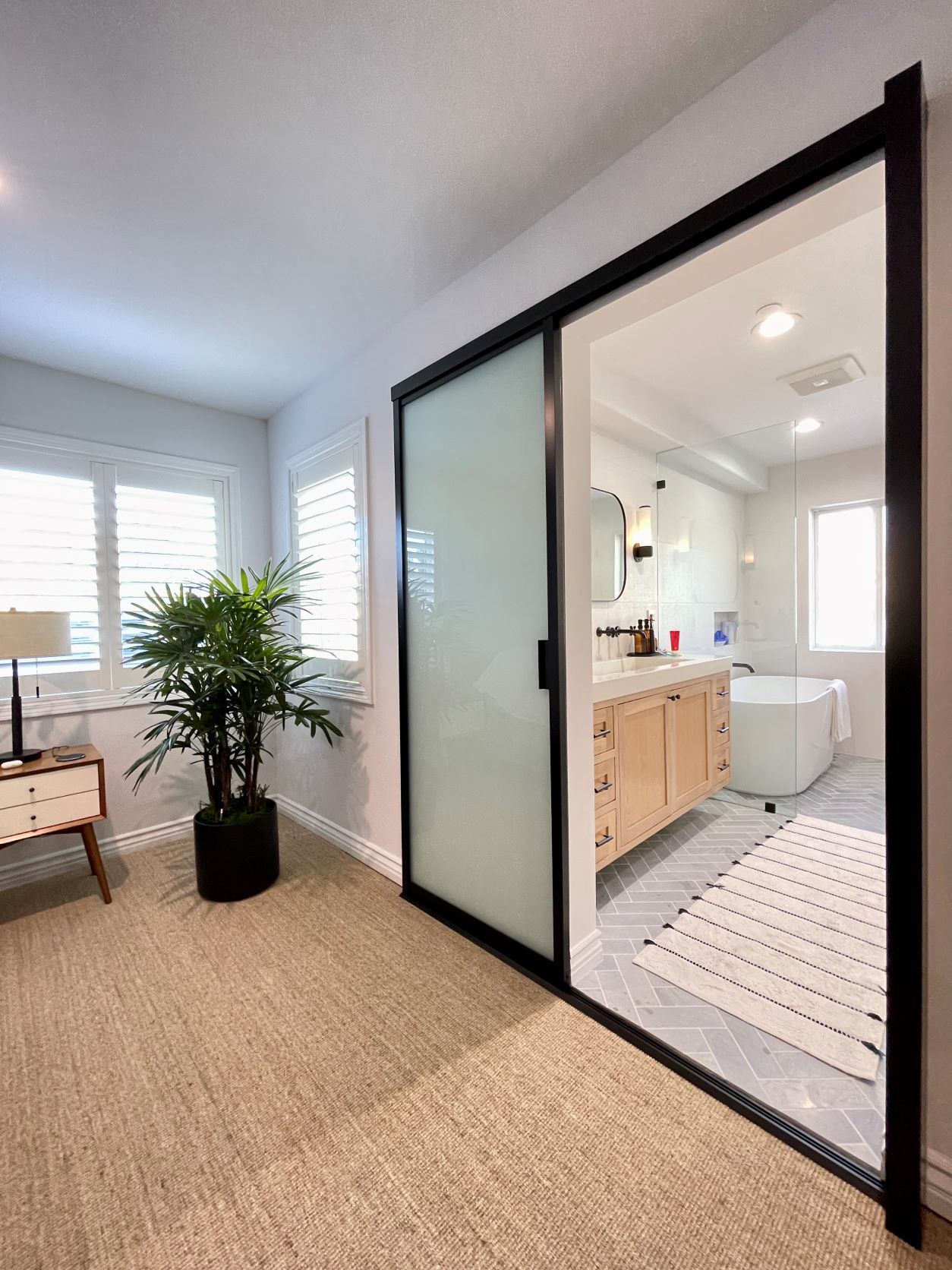
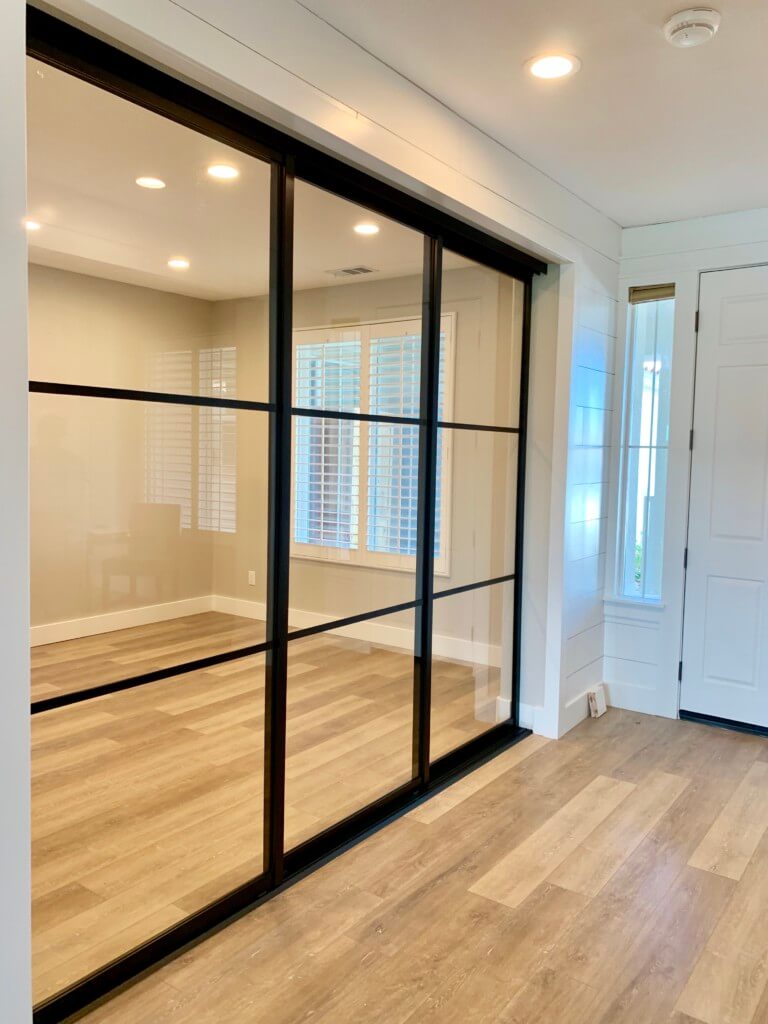
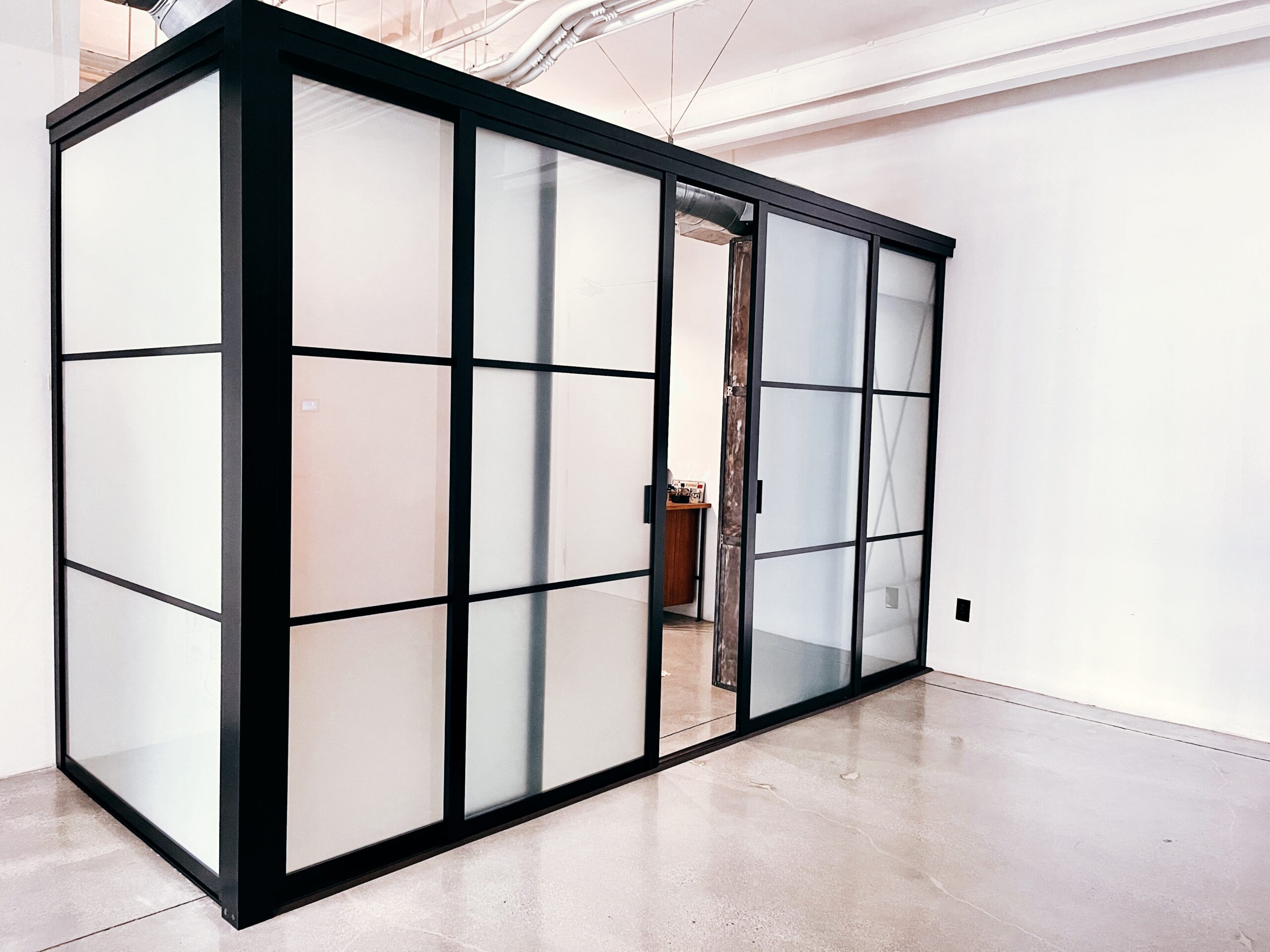
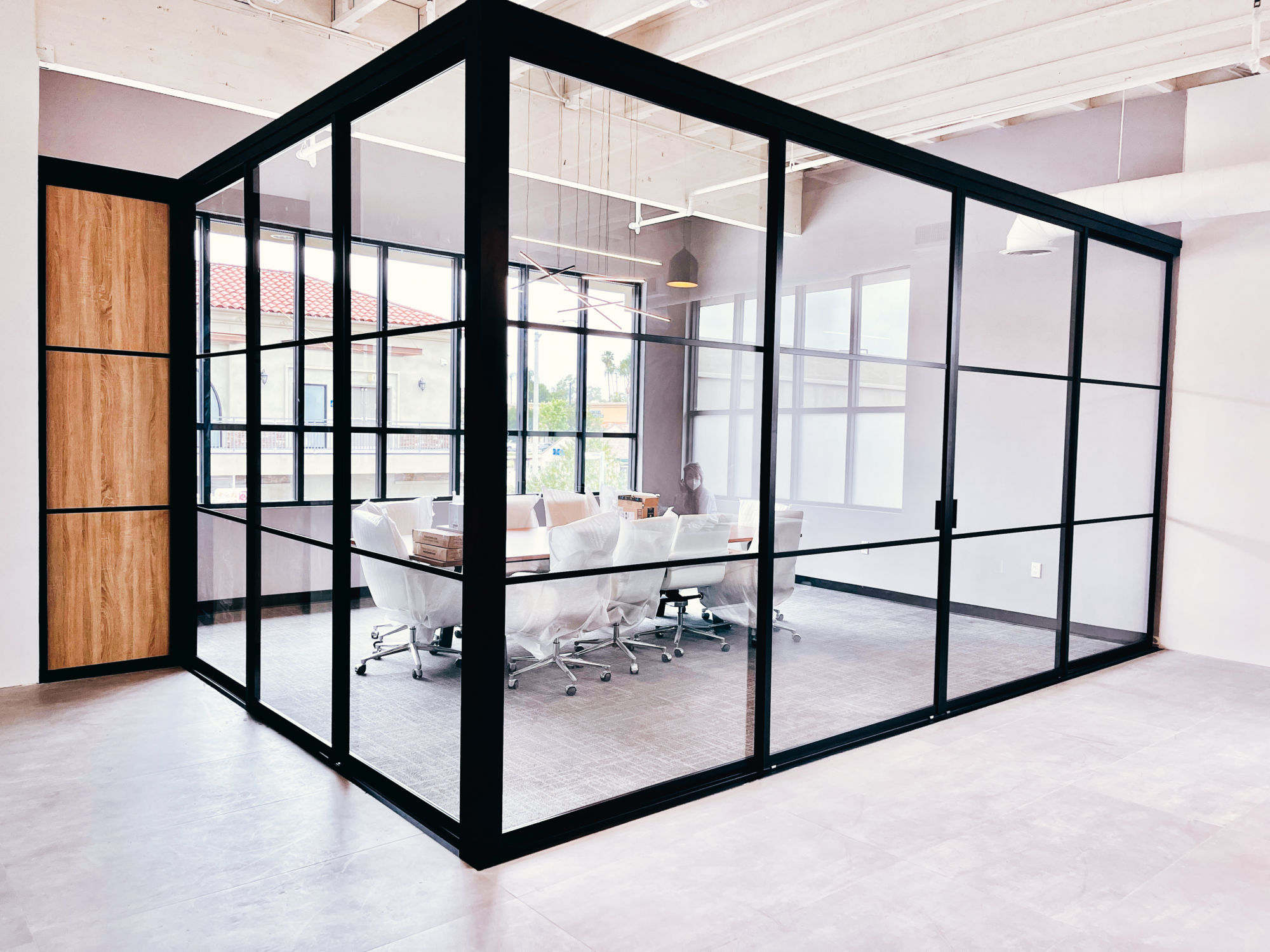
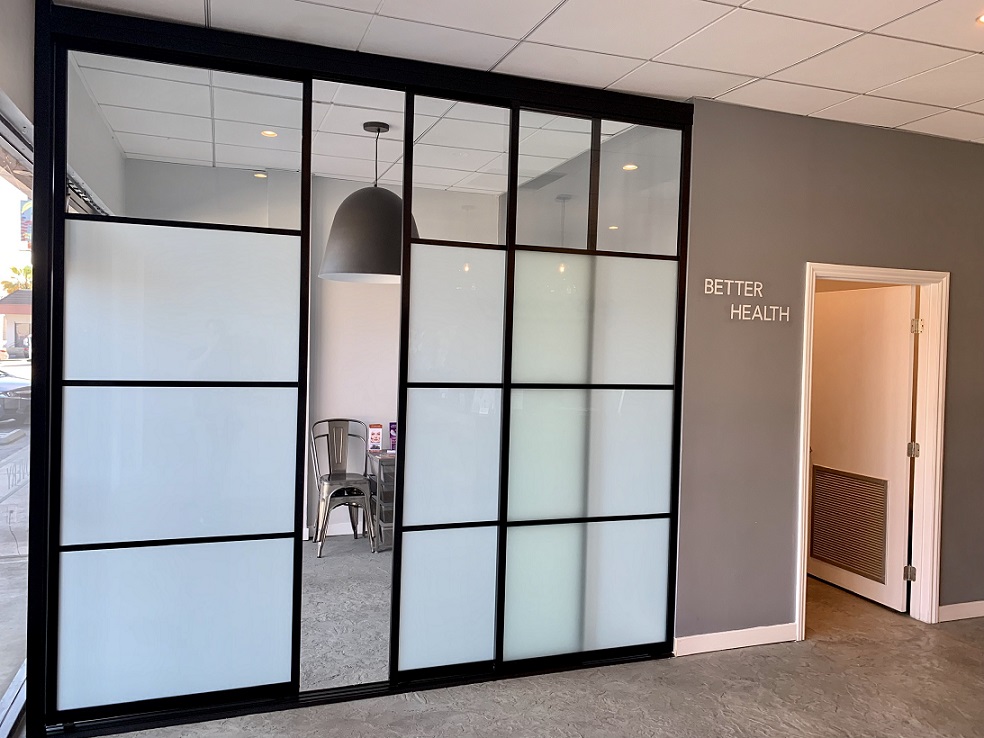









At KNR Sliding Doors we think a high-quality sliding door should do more than move from A to B. For interior spaces it should improve how you live, how a room sounds, and how long the system lasts. High quality comes from the combination of the right materials, exacting craftsmanship, and thoughtful design. Below we explain what separates an ordinary door from one that performs beautifully for years.

Materials that matter: frames, glass, and hardware
Materials are the foundation of performance. For intarping. Solid wood frames provide warmth and can be refinished. Choose a frame material that matches the environment and the level of daily use.erior applications, frame choice affects stiffness, finish options, and how the door pairs with trim and flooring. Aluminum frames give a slim, modern look while resisting moisture and w
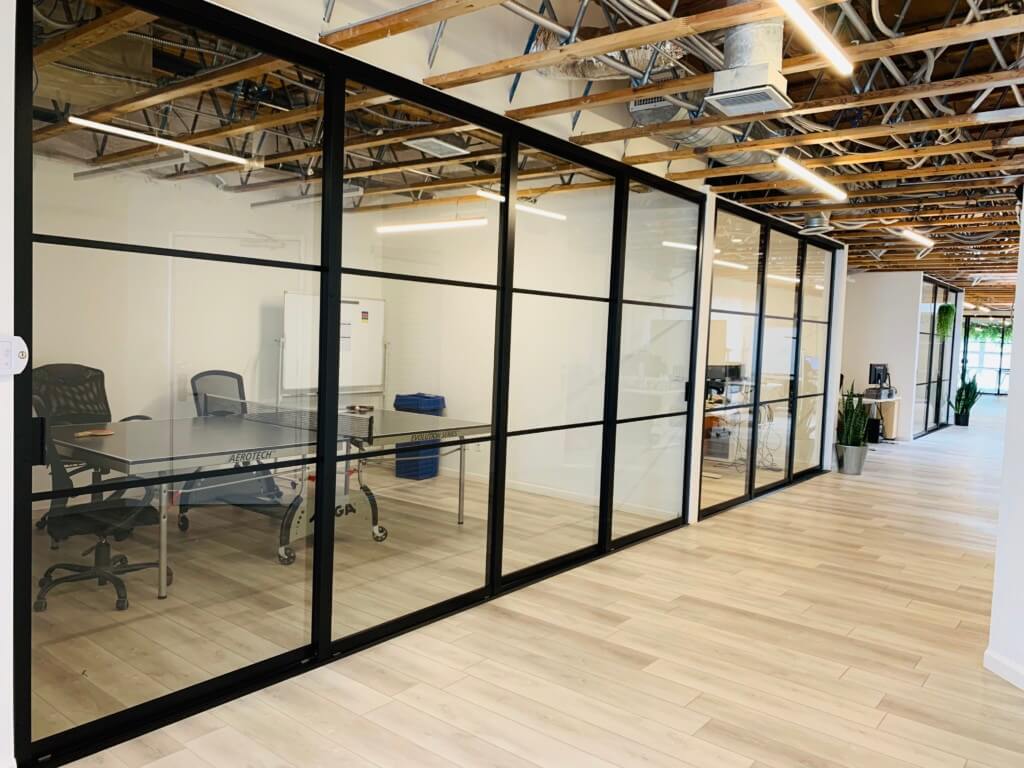
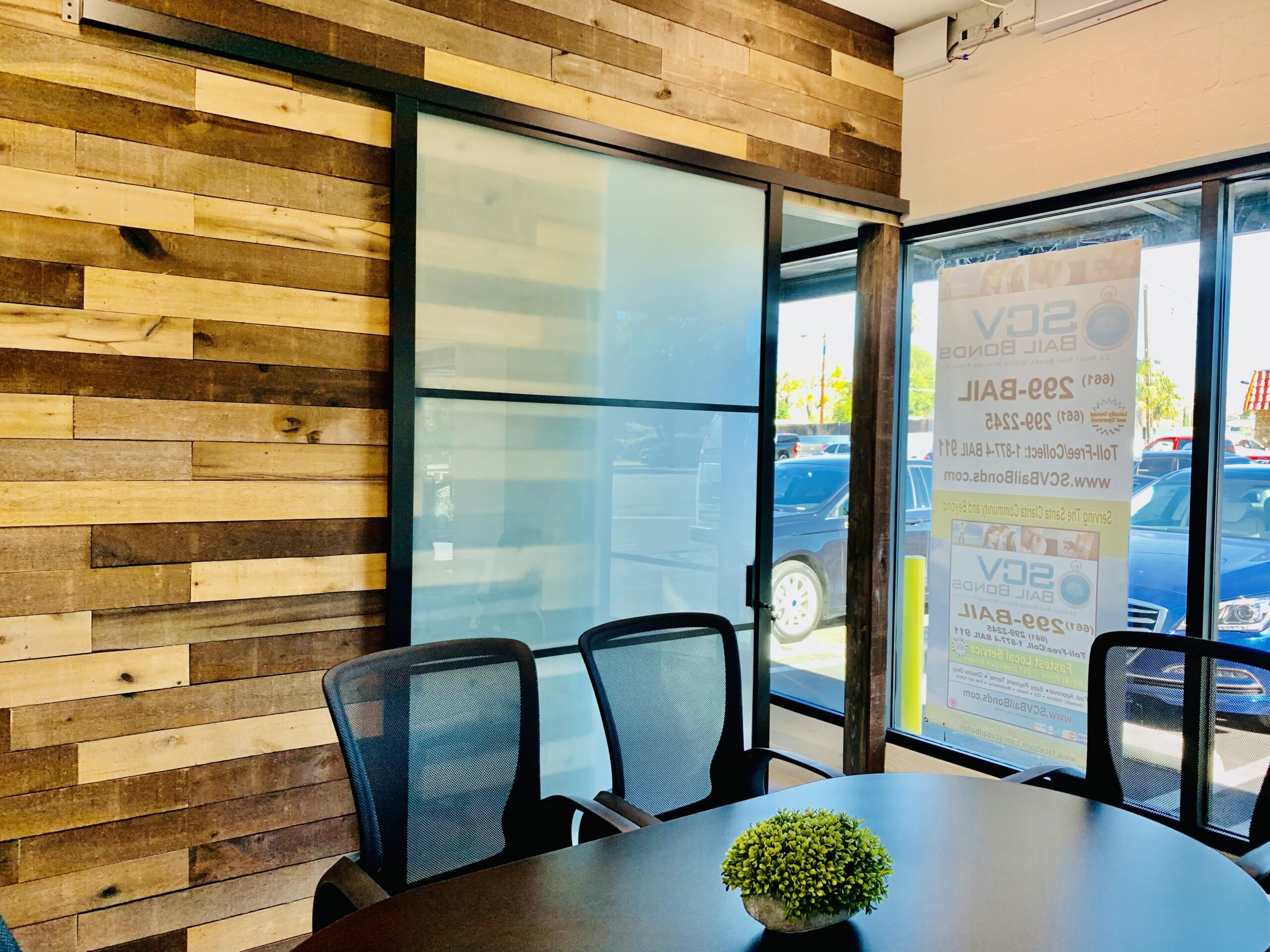
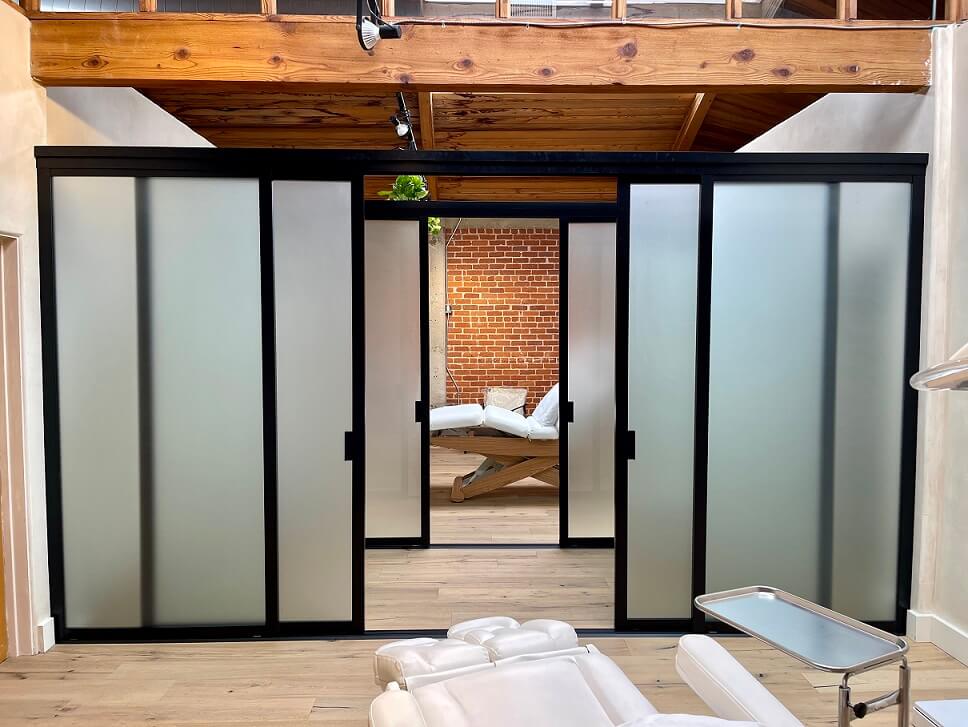
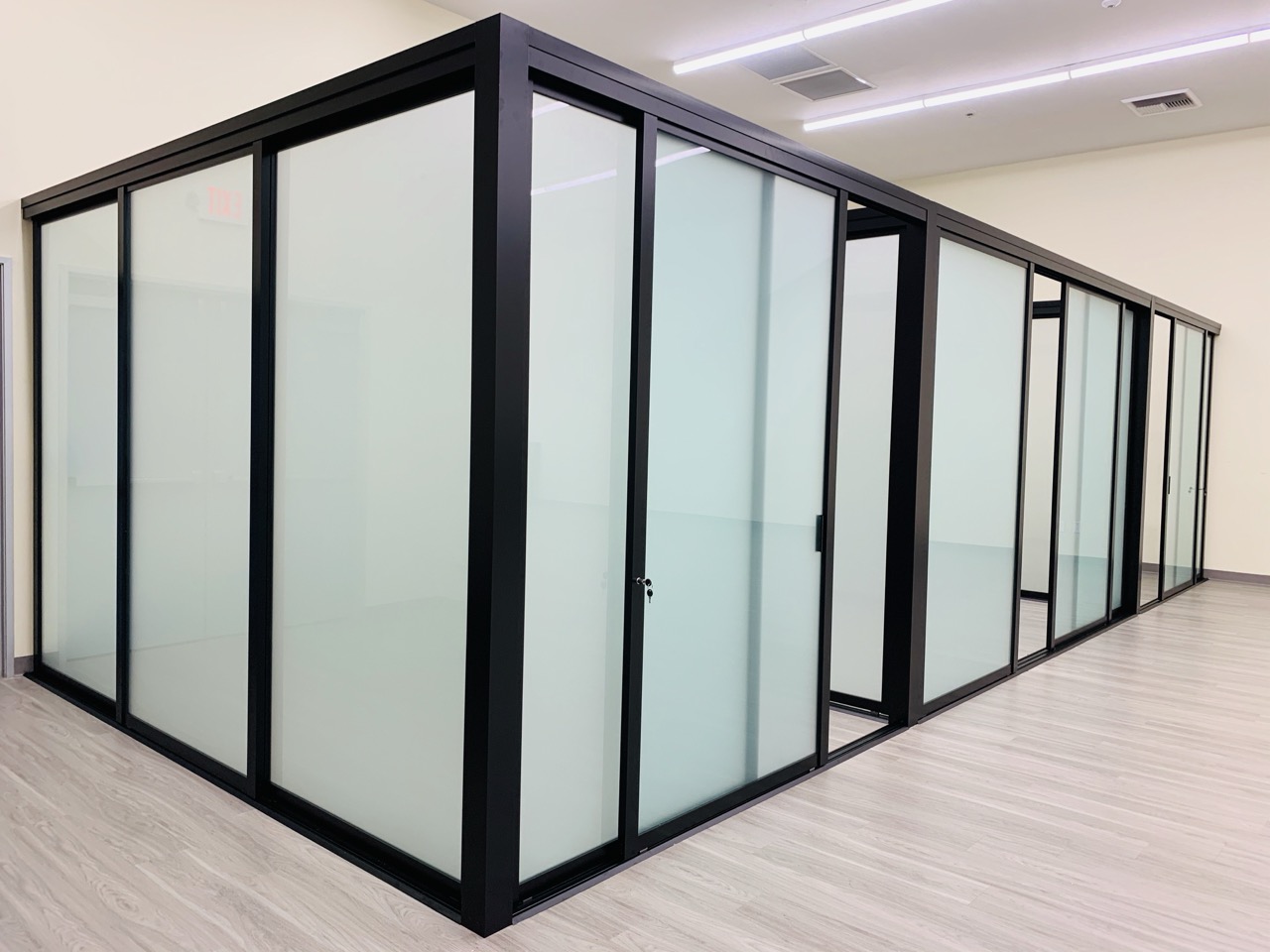
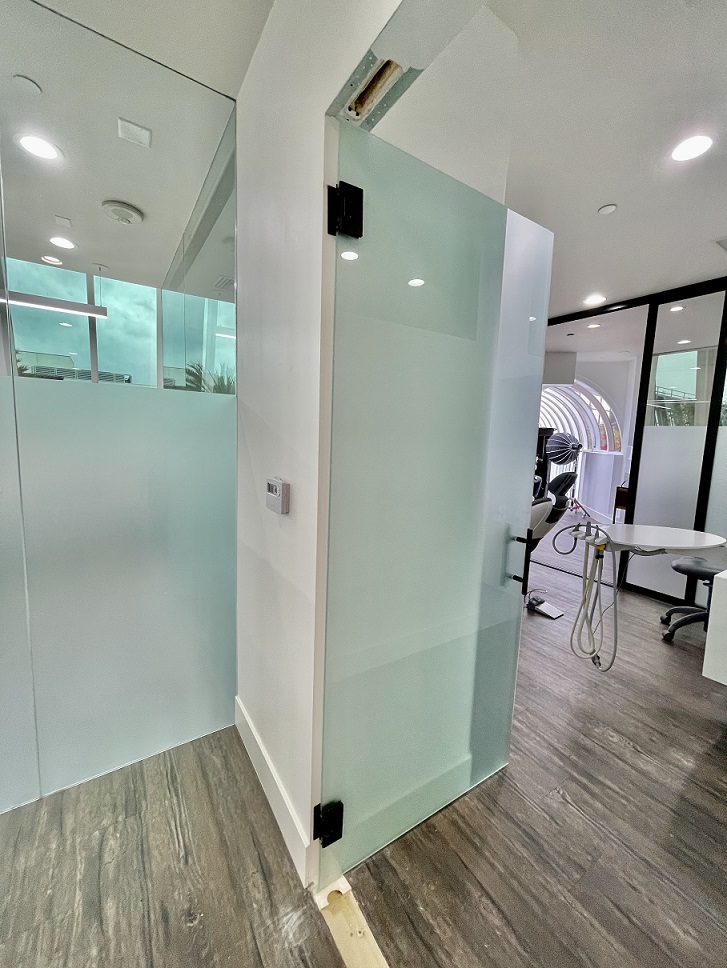
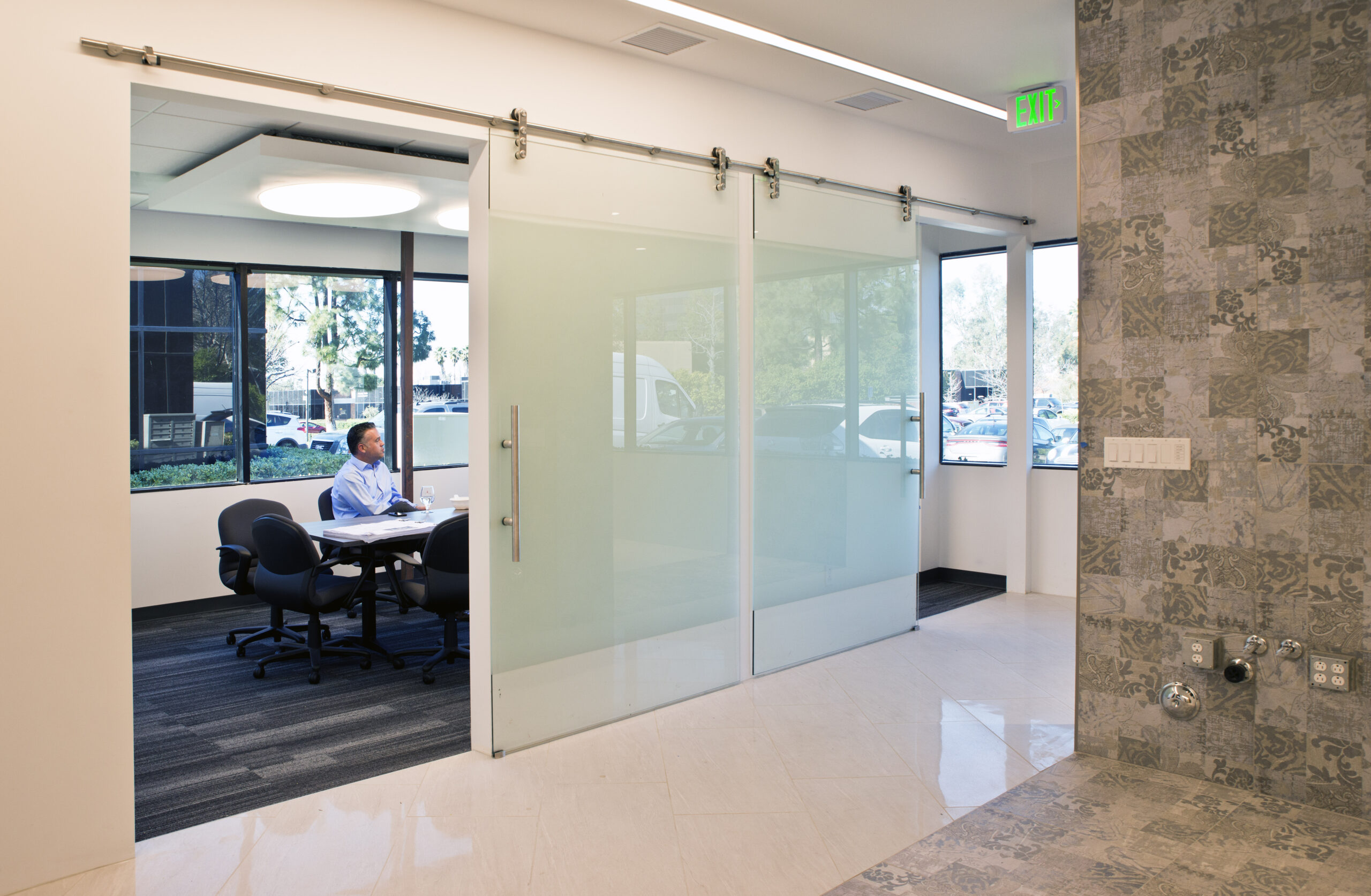
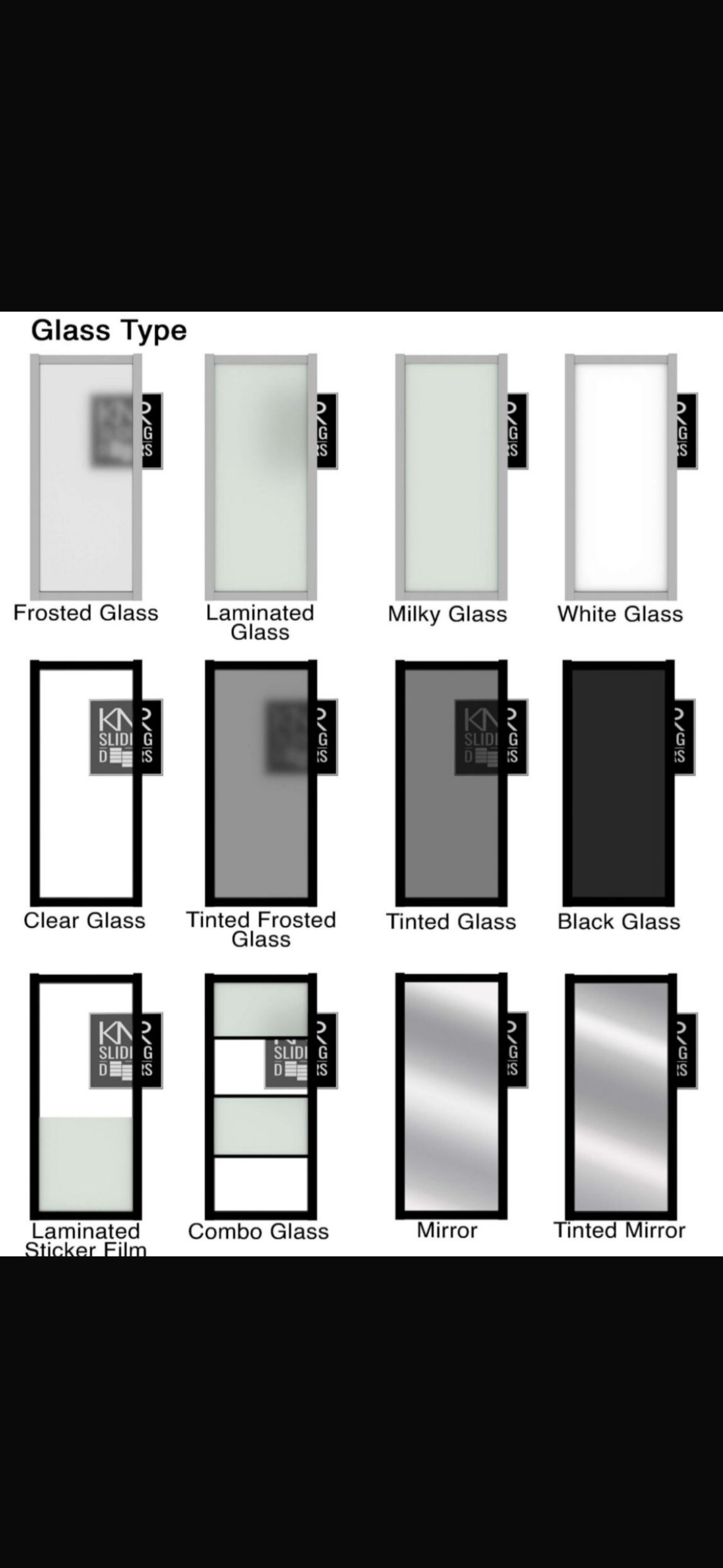
Glass choice influences sound control, privacy, and safety. Thicker glass resists flex and reduces noise transmission inside the home. Tempered and laminated options improve safety and security. For rooms that need more privacy, consider frosted or obscure patterns. For open-plan living, clear low-iron glass maximizes daylight and sight lines.
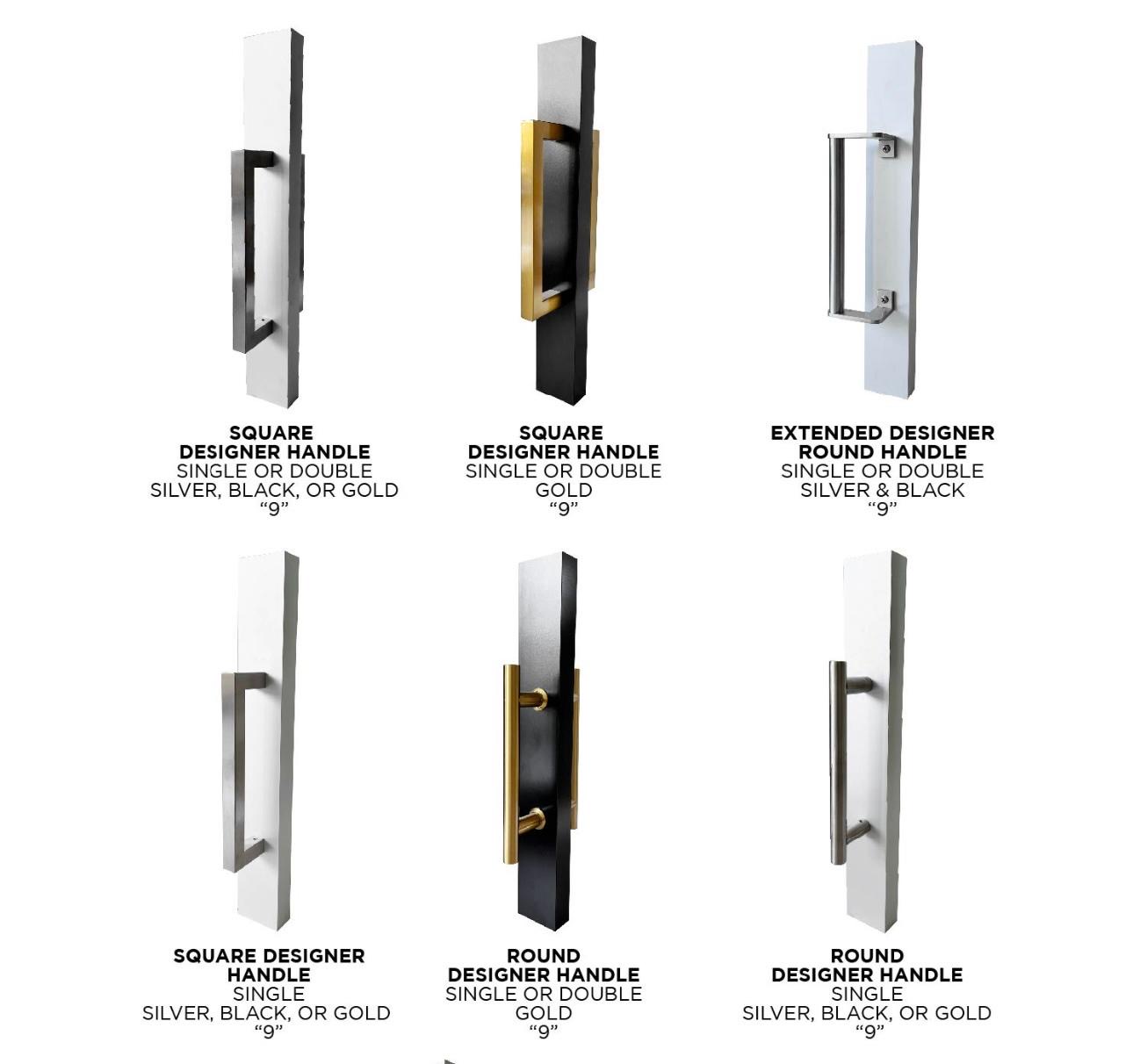
Hardware and rollers determine how the door feels every day. Look for heavy-duty rollers that are rated for the panel weight, corrosion-resistant tracks, and metal handles that feel substantial. Small plastic components may work for short term use but will not maintain the same smooth operation over years in an interior setting. Quality hardware reduces squeaks, keeps panels aligned, and lowers maintenance.
Craftsmanship and fit: why precision matters
Good fit and finish do more than look better. Tight tolerances keep seals consistent, reduce drafts, and avoid binding. Panels that align precisely close cleanly and maintain better acoustic and thermal performance. Quality fabrication includes consistent miters, concealed fasteners where appropriate, and factory-applied finishes that hold up to cleaning and use.
Local manufacturing raises the bar on craftsmanship. When doors are built nearby, the factory can work closely with installers to deliver custom fits for unique openings. That local loop shortens lead times for adjustments and lets the manufacturer respond if a field modification is needed. Custom-fit doors made to the exact dimensions of your opening eliminate on-site compromises that can otherwise reduce performance.
Custom fabrication also improves durability. A door built to your precise measurements moves smoothly on its track because rollers carry the correct loads and seals engage exactly where they should. This tailored approach reduces stress on hardware and prevents accelerated wear. If longevity matters, specify doors that are locally manufactured or built-to-order rather than off-the-shelf panels cut down to fit.
Design that performs: layouts, ergonomics, and operation
Design choices should solve real problems. Consider how you use the space before locking in a configuration:
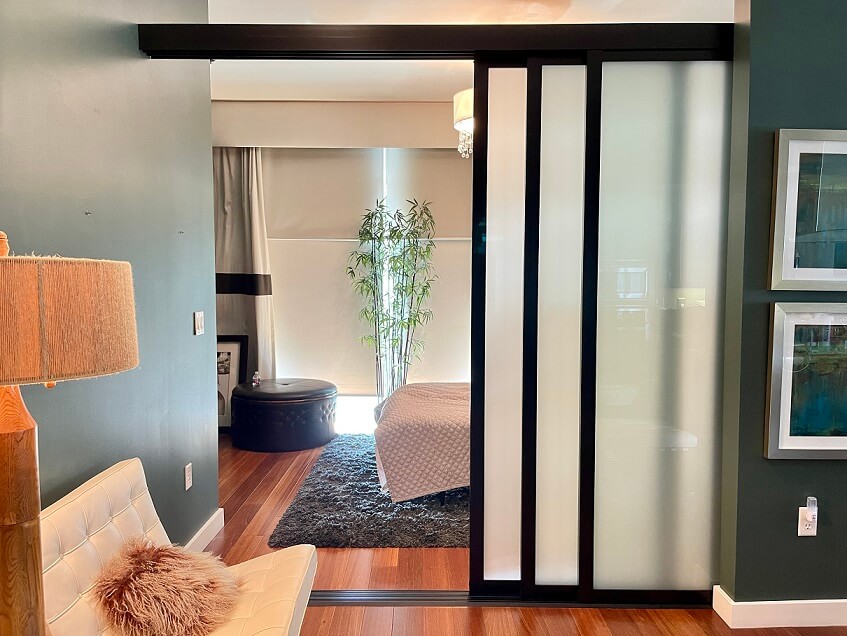
- Panel layouts: Single-slide, bi-parting, pocket systems, and multi-panel pocket walls suit different needs. A pocket system tucks panels away completely while a bi-parting configuration gives quick two-sided access. Match the layout to how people move through the room.
- Handles and locks: Ergonomic hardware makes daily use effortless. Choose lock systems that balance security and ease of use for interior rooms such as offices or bedrooms.
- Smoothness and silence: A well-engineered track and roller deliver whisper-quiet movement. Test the glide; a smooth action is noticeable every day.
- Accessibility: Sliding doors can remove swing clearance and lower thresholds to make interior spaces more accessible for wheelchairs, strollers, and older adults.
Good design anticipates how the door will be used and addresses those needs without adding unnecessary complexity.
Customization that keeps quality consistent
High-quality suppliers offer meaningful choices and clear options. Color options, frame finishes, glass types, and grille patterns should be available without sacrificing lead time or tolerances. Ask suppliers how they manage customization. The best ones have streamlined production steps so custom choices do not become the reason for sloppy assembly or extended delays.
Local production makes customization more reliable. A local factory can hold finish samples, mock up special hardware combinations, and test-assemble customized units before shipping. That reduces surprises during installation and lowers the chance of field snags that erode performance.
Maintenance and long-term care
A high-quality interior sliding door is easy to keep in good shape with simple maintenance:
- Keep tracks free of debris and vacuum them on a schedule.
- Use manufacturer-recommended lubrication on rollers and moving parts.
- Tighten fasteners after the first few weeks of use and then check them annually.
- Clean glass and finish with approved products to avoid damage.
When parts are replaceable and standardized, you can repair a worn roller or latch without replacing entire panels. That repairability is a hallmark of thoughtful design.
What to watch for when comparing quotes
When you review proposals ask for clear specifications and evidence of local manufacturing if that is important to you. A thorough quote should include:
- Frame material and glass thickness
- Hardware brands and load ratings for rollers and tracks
- Details on custom fabrication and who performs final assembly
- Warranty coverage for manufacturing and installation
- Typical lead times for custom and standard orders
Avoid vague descriptions. If a supplier cannot provide specific materials or refuses to clarify where parts are made and assembled, consider that a red flag.
Common red flags
Steer clear of options that look cheap at first glance:
- Frames that flex under pressure
- Glass that has no thickness or tempering specification
- Hardware that feels loose during a demo
- No clear warranty or local service options
- Long lead times without progress updates
A reliable supplier will offer sample photos, references, and transparent timelines.
Style and trends without sacrificing substance
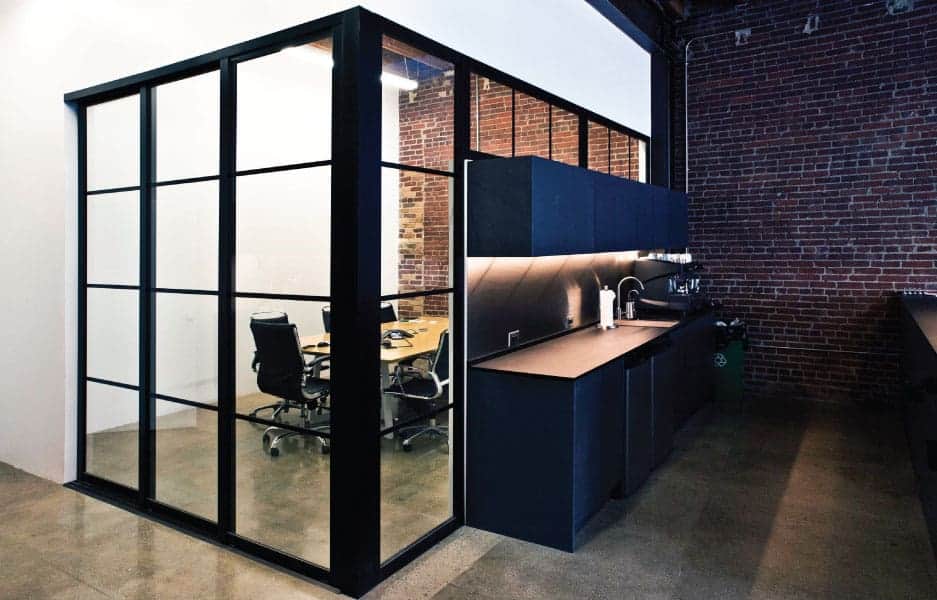
Design trends change, but quality components remain the same. Many interior projects favor thin sightlines and black metal accents. That look can be durable if paired with robust frames and corrosion-resistant hardware. Choose trends that fit your space now and will still make sense years from now.
Prioritize systems that perform
For an interior sliding door high quality is the sum of durable materials, exacting craftsmanship, and design choices that match daily use. Locally manufactured, custom-fit doors raise the standard by ensuring precise tolerances, faster adjustments, and better long-term service. When you prioritize those elements you invest in a system that looks better, operates better, and lasts longer.
Ready to upgrade your interior?
If you want a sliding door that blends beauty with long-term performance we can help. Request a custom consultation and free estimate. We’ll review interior layout options, show finish samples, and explain lead times so you can make a confident decision. Request a custom quote and design consultation today. Call or request a visit online and let us show you sample finishes and exact fit options.