










The way natural light moves through a home influences everything from the mood of the space to its perceived size and functionality. When it comes to maximizing light without compromising privacy or design, sliding doors present an elegant and efficient solution. Their ability to open up rooms while maintaining sleek, uninterrupted lines makes them a favorite among homeowners, architects, and interior designers alike.

The Role of Transparency in Modern Design
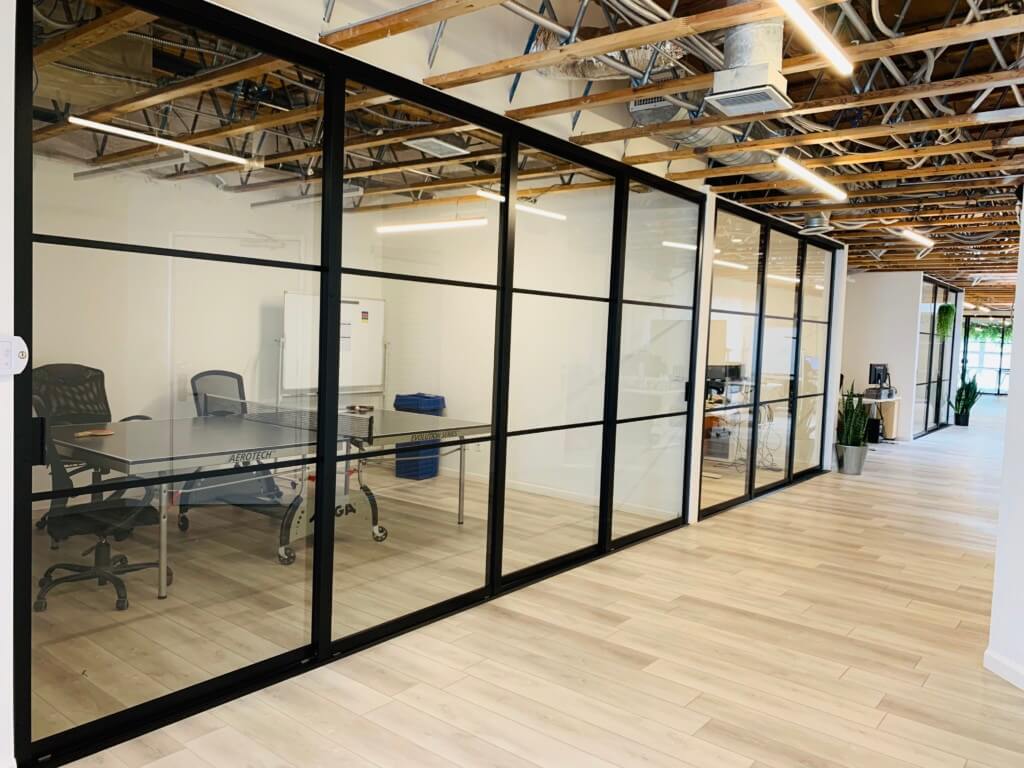
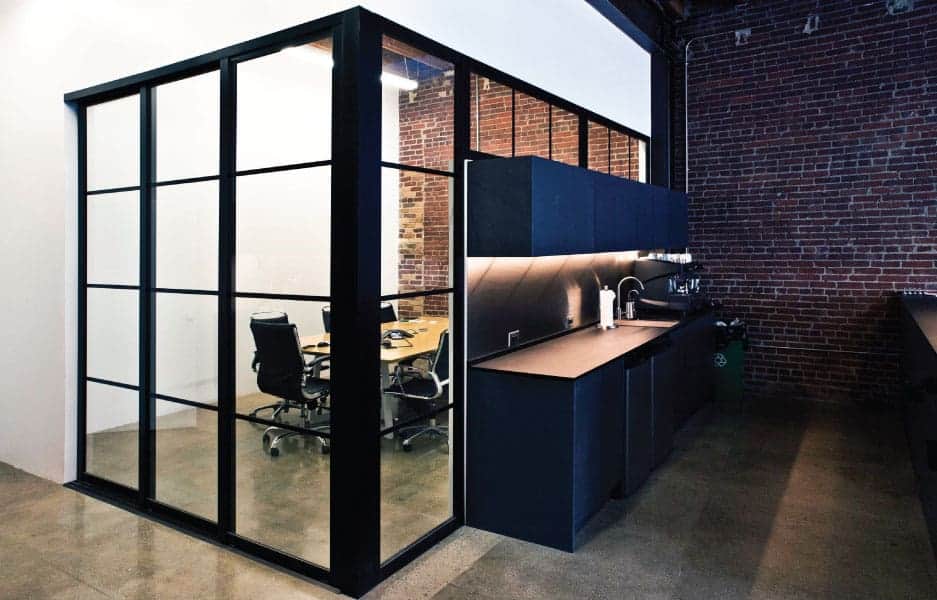
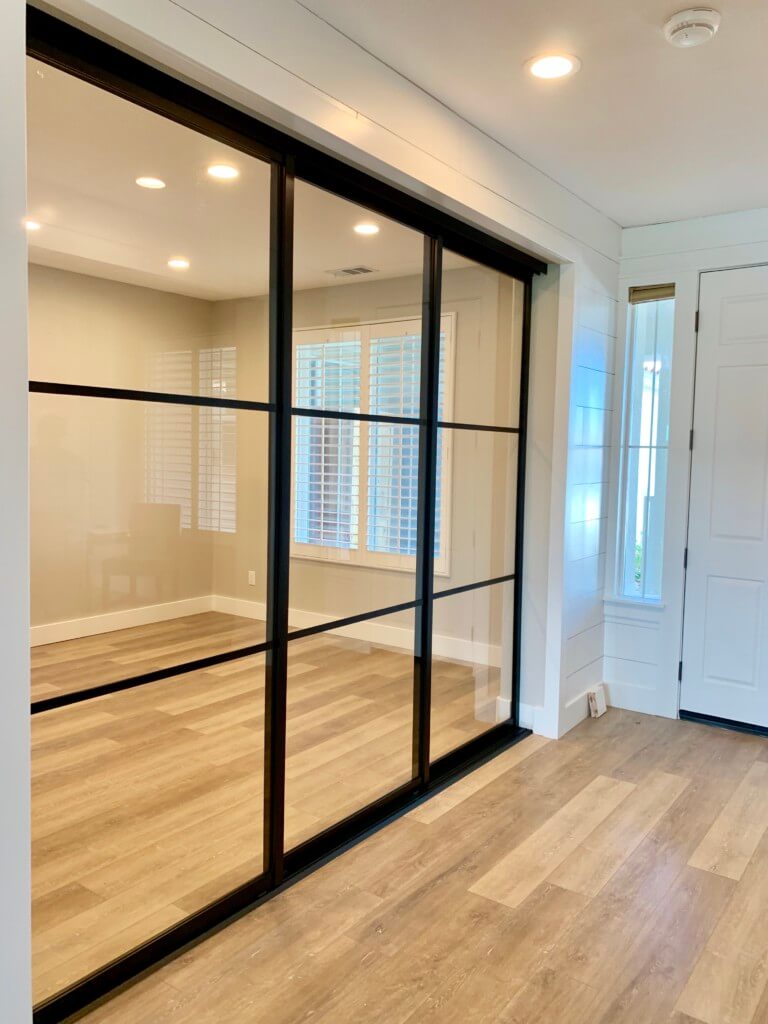
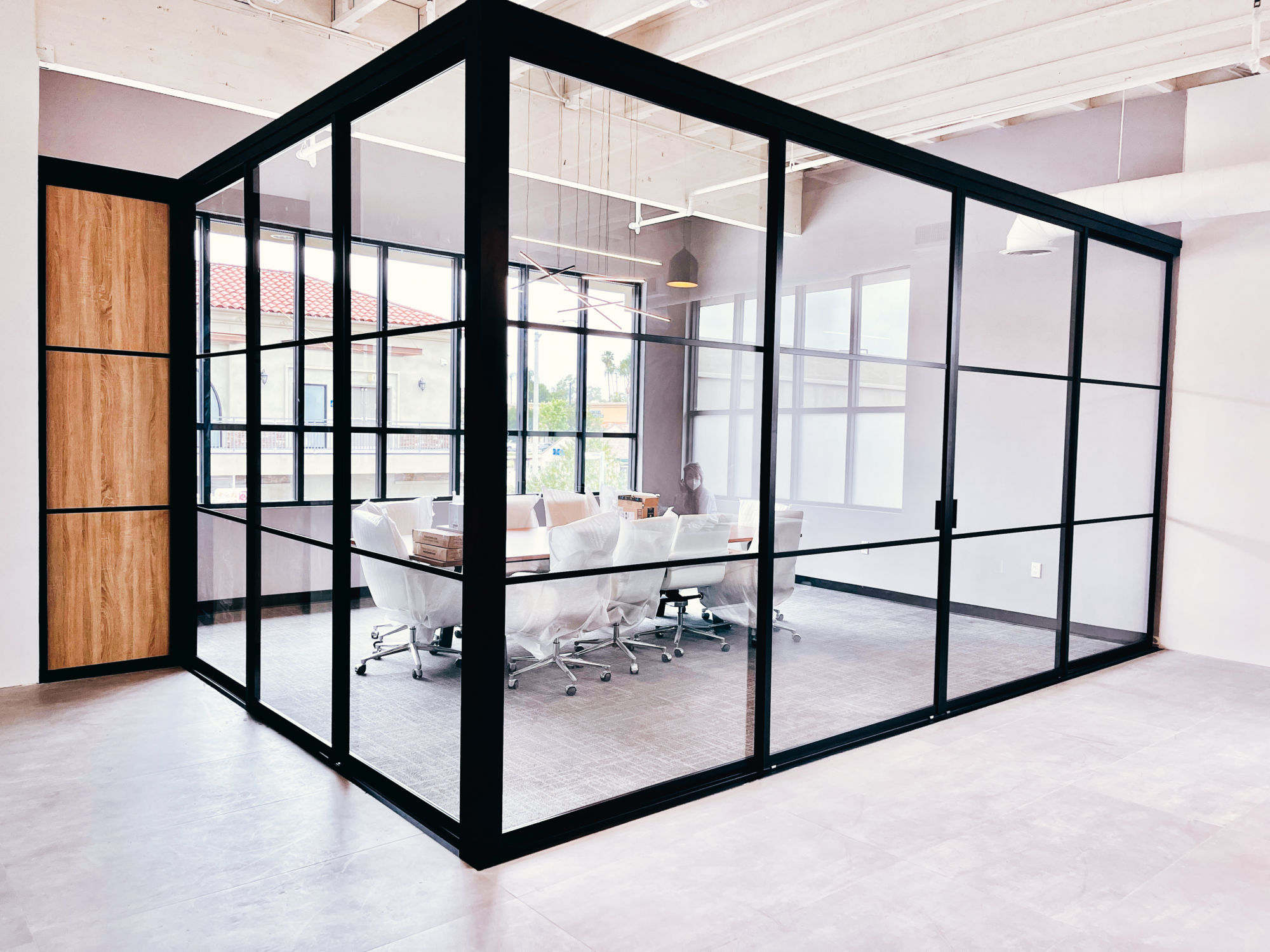
One of the most significant ways sliding doors enhance natural light is through the use of large, uninterrupted glass surfaces. Traditional swing doors tend to segment a room and block light paths. By contrast, sliding doors—especially those with full-height glass panels—act as visual extensions of windows, allowing sunlight to pass freely from one area to another.
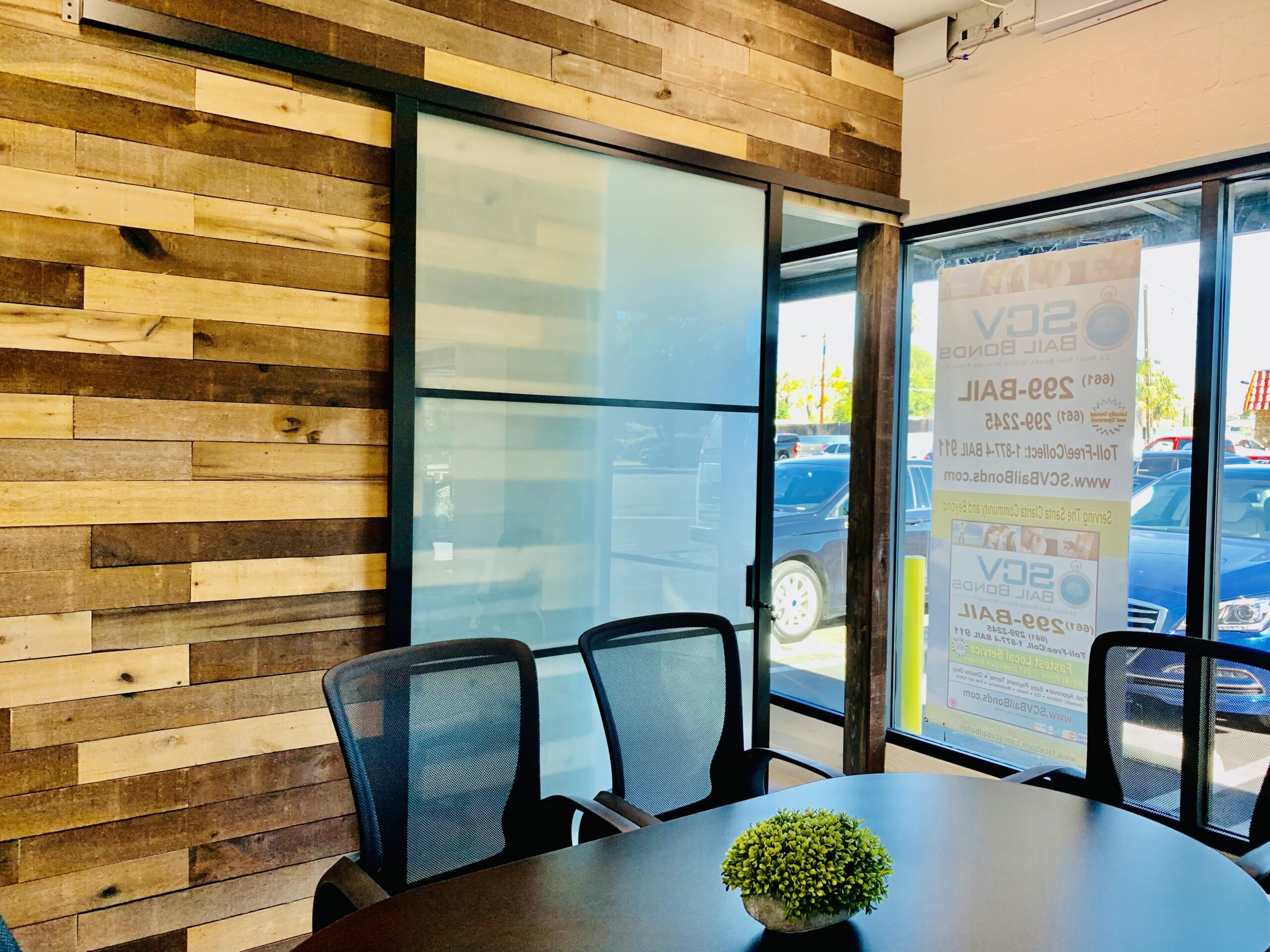
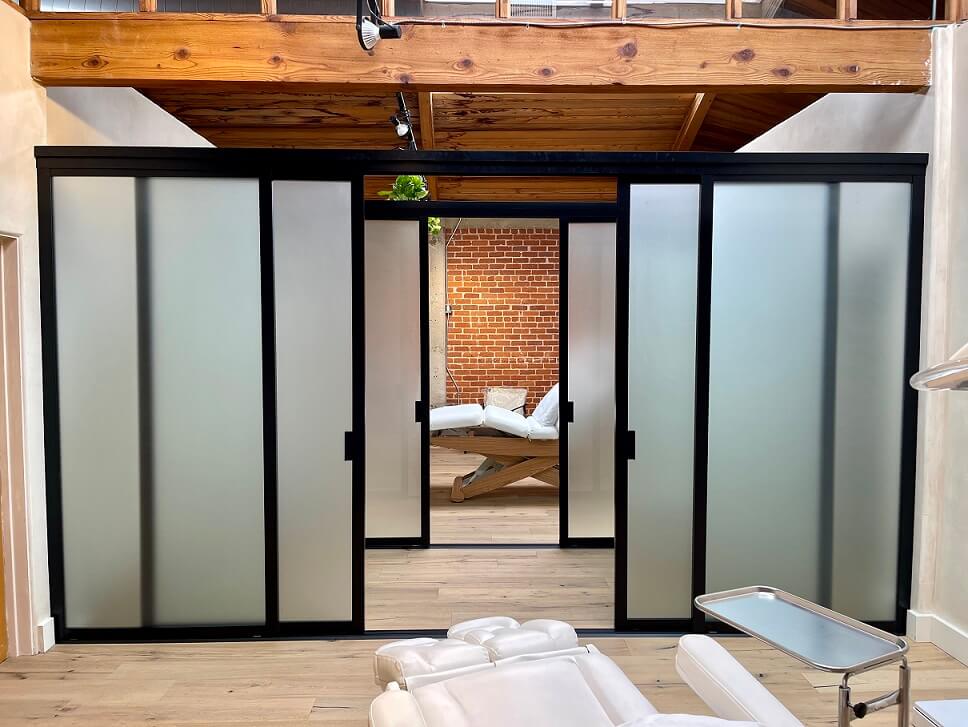
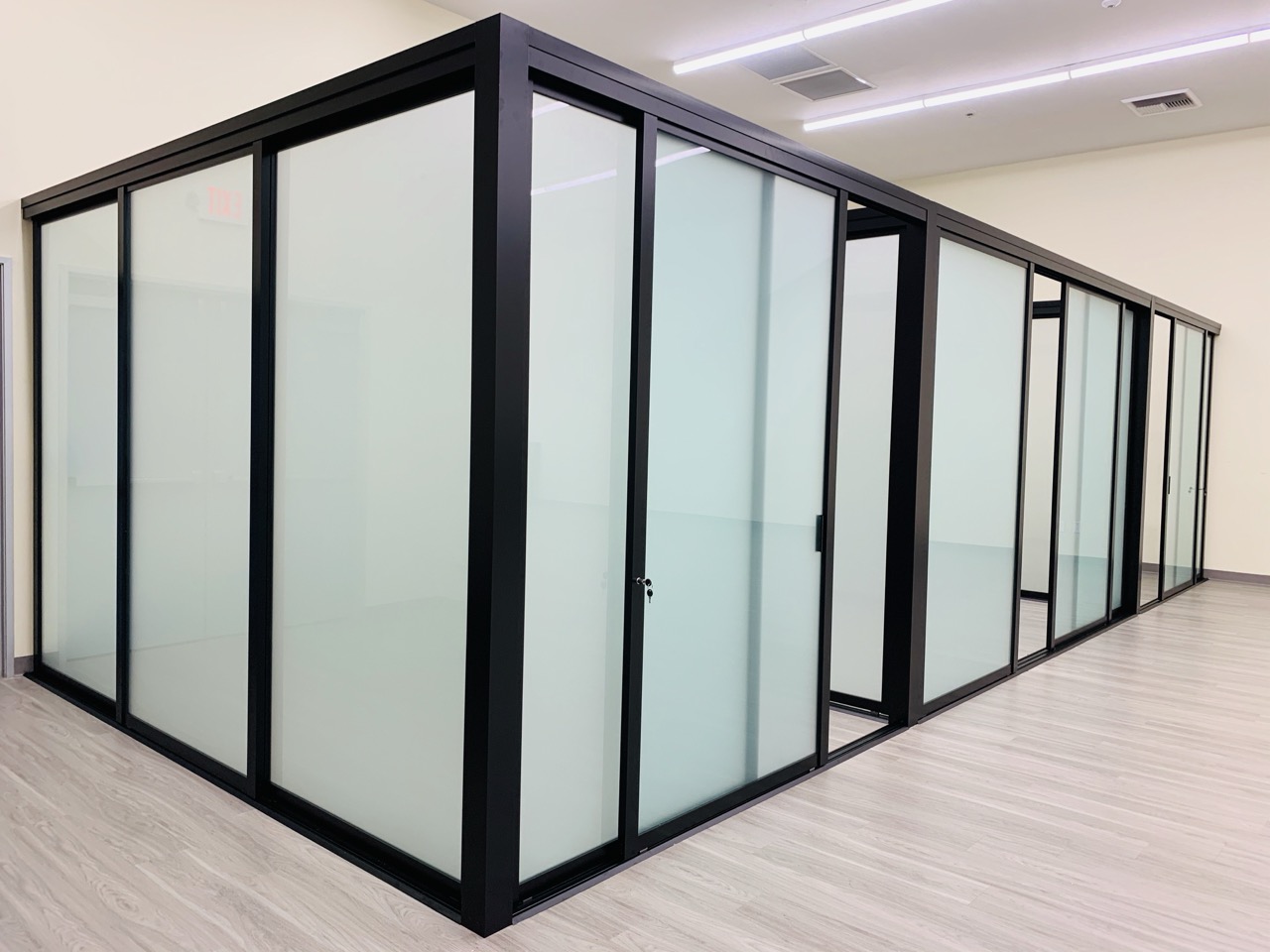
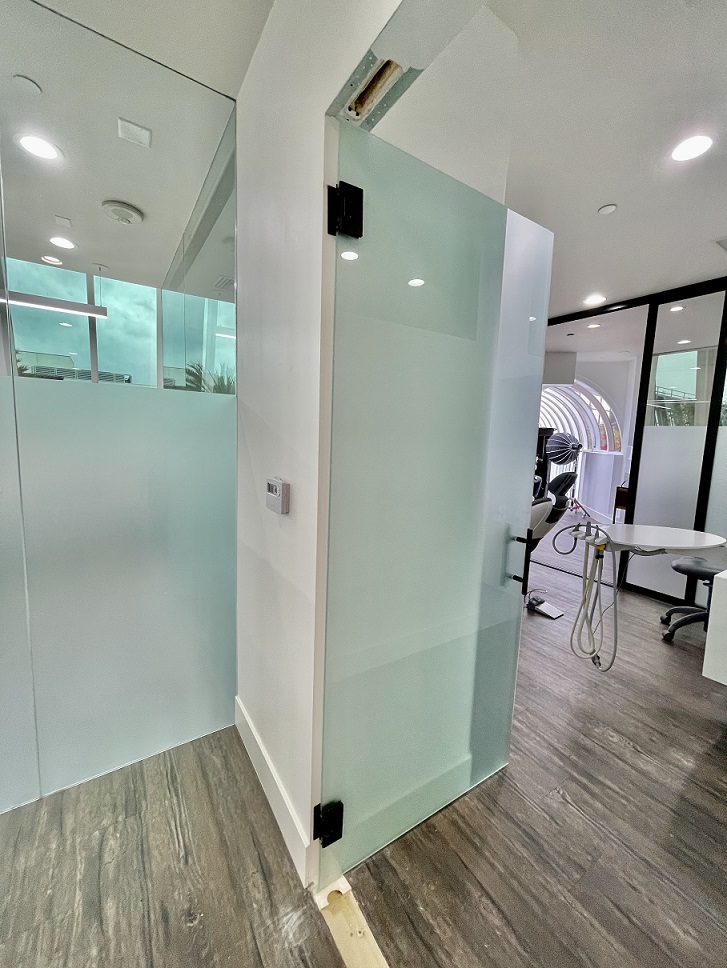
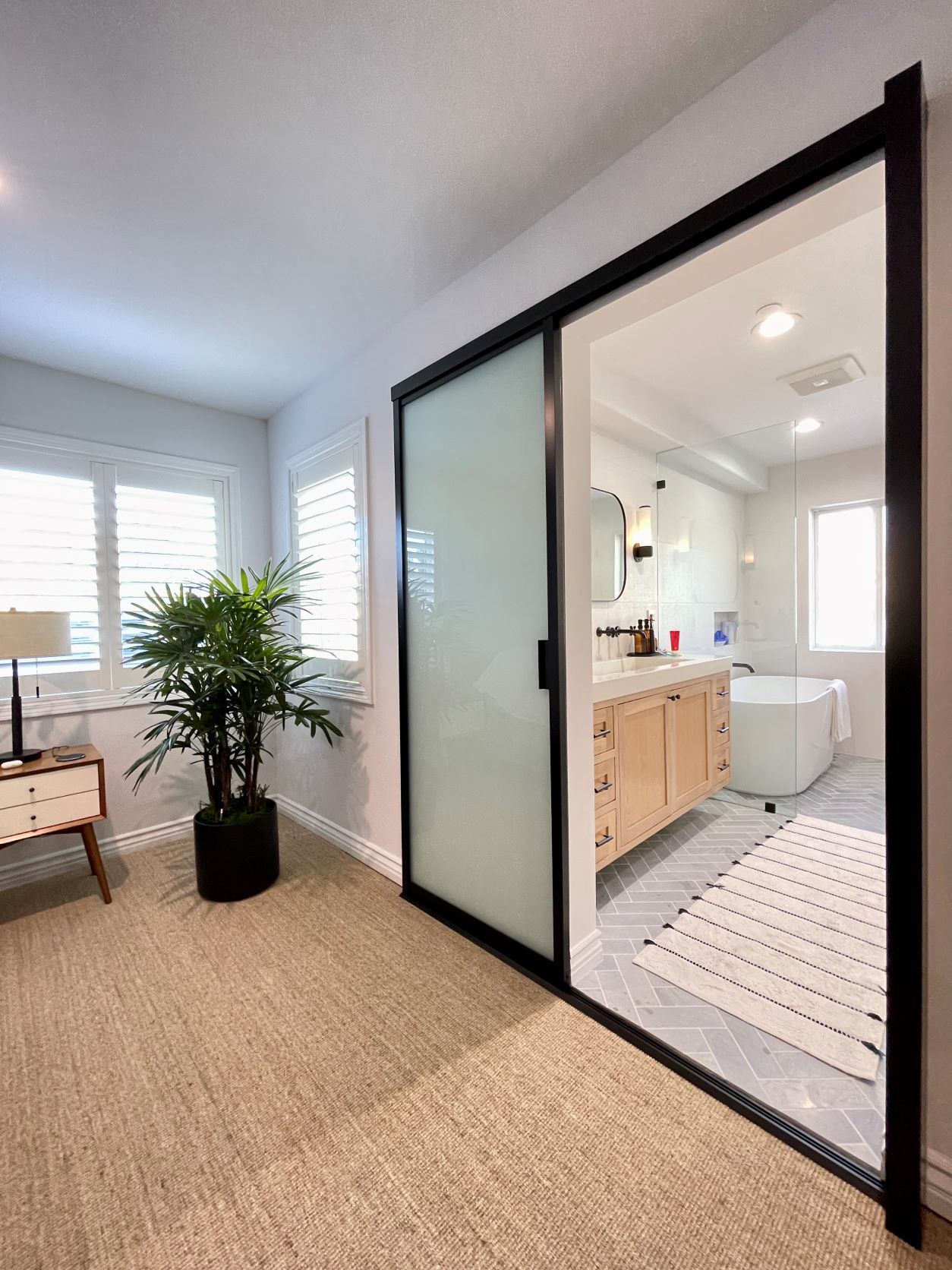
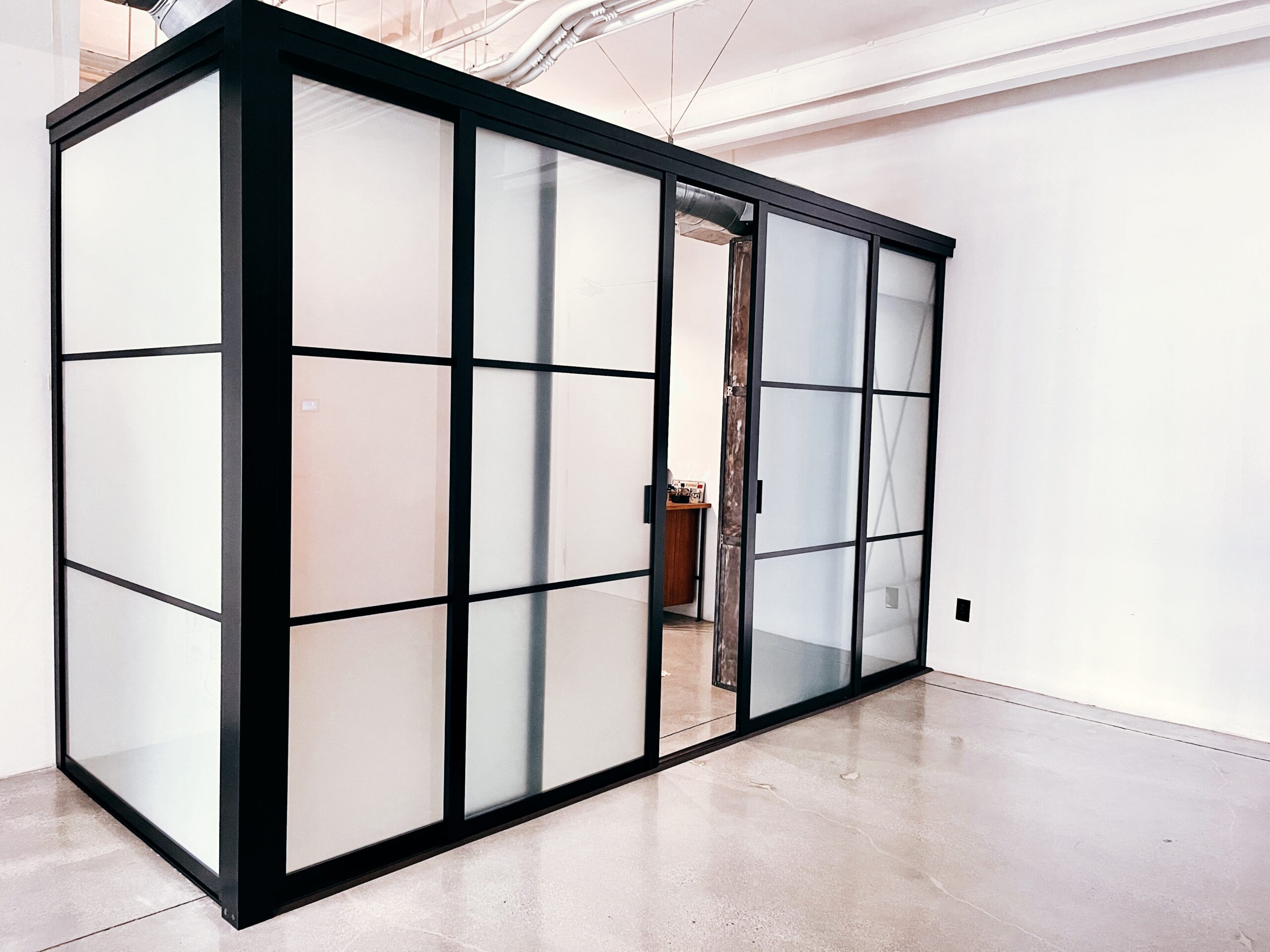
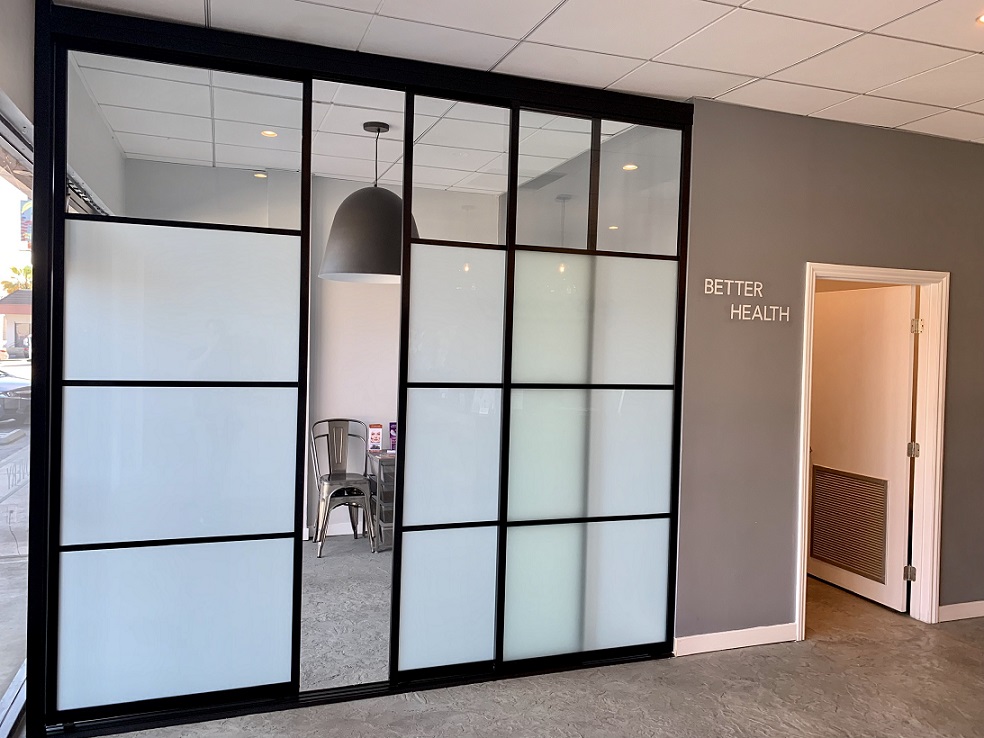
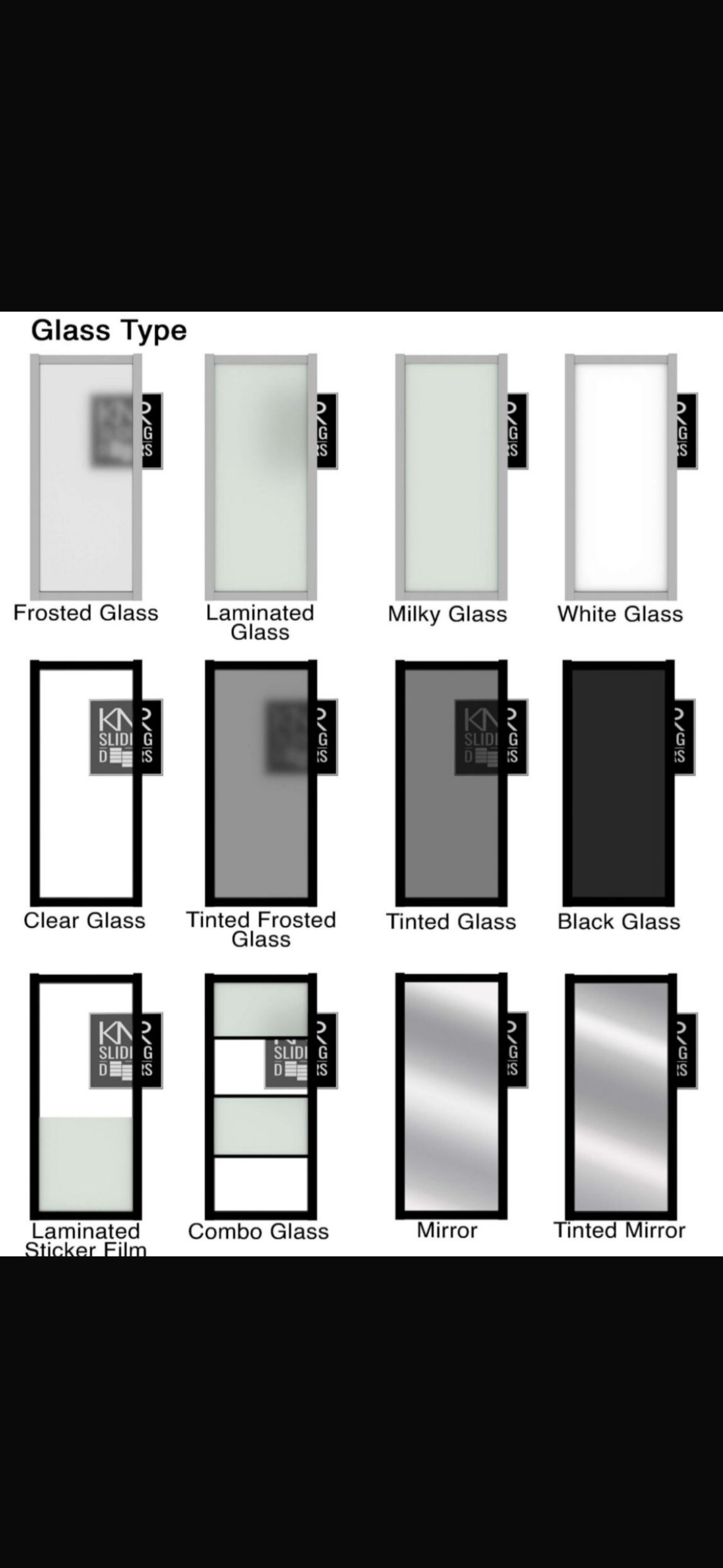
In multi-room layouts, clear glass doors dissolve visual barriers and encourage light to move deeper into interior zones. Frosted and tinted options provide more privacy while still allowing light diffusion, softening its intensity but not its presence. These finishes maintain design integrity while ensuring each space feels open and breathable.
Reflecting and Amplifying Light Through Finishes
The finishes surrounding a sliding door system are just as important as the panels themselves. Light-colored frames in matte or brushed finishes subtly reflect ambient daylight, while mirrored or high-gloss surfaces further amplify the light in tight spaces. By strategically selecting finishes that echo the rest of the interior, you can enhance luminosity without compromising your design vision.
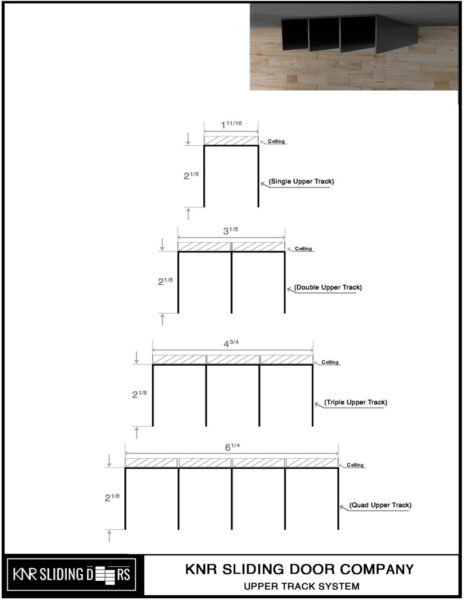
Slim profiles and concealed tracks also play a supporting role. They reduce visual clutter, making rooms feel more spacious and ensuring that light is the focal point—not the hardware. In minimalistic or contemporary interiors, this precision detailing creates a seamless, glowing atmosphere that shifts beautifully from morning to dusk.
Creating Continuity Between Indoors and Outdoors
Sliding glass doors are often used to create a visual bridge between indoor and outdoor spaces. This isn’t just an aesthetic choice—it has a transformative effect on the home’s lighting.
By installing full-panel sliding doors that open onto patios, courtyards, or balconies, the boundary between inside and outside becomes fluid. This uninterrupted view line not only makes spaces appear larger but also allows natural light to enter the home from wider angles, increasing the daylight hours within interior spaces.
Even on overcast days, the ambient brightness outside is drawn indoors, softening the need for artificial lighting and adding a sense of calm to the space. The result is a subtle blending of architecture and nature, curated through intentional, high-performance design.
Zoning Without Blocking Light
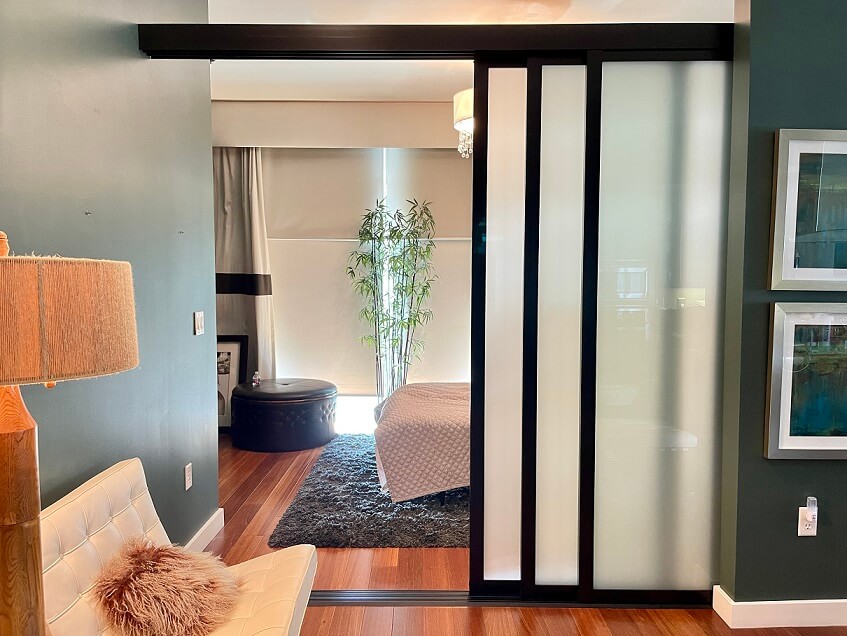
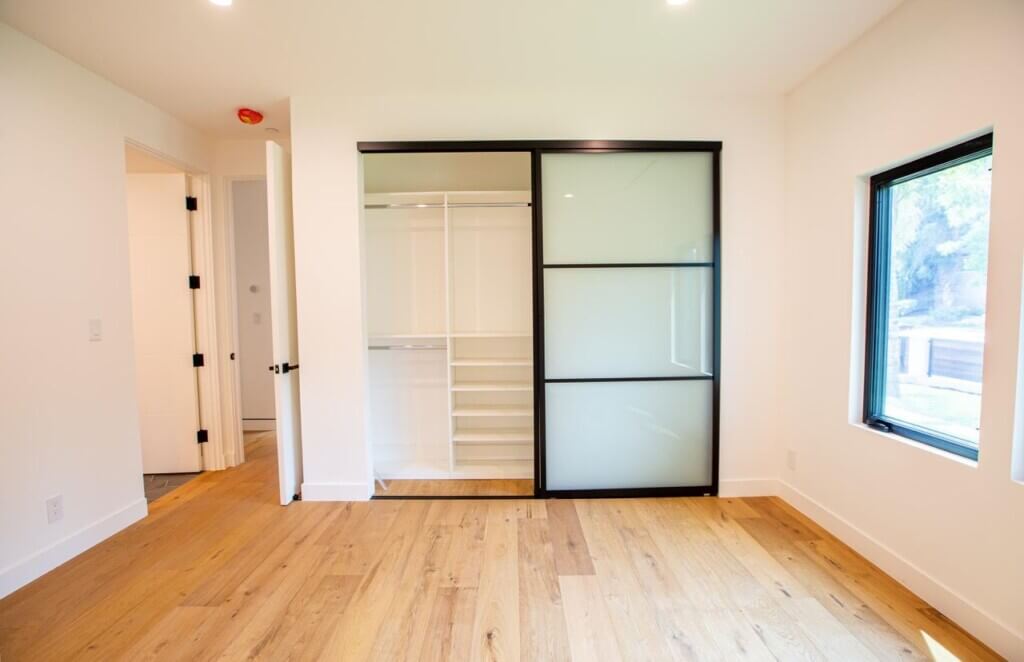
Interior sliding doors are powerful tools for redefining how spaces function without sacrificing the light that makes them feel livable. Whether dividing a bedroom and walk-in closet or separating a home office from a living room, sliding doors allow homeowners to zone with purpose and precision.
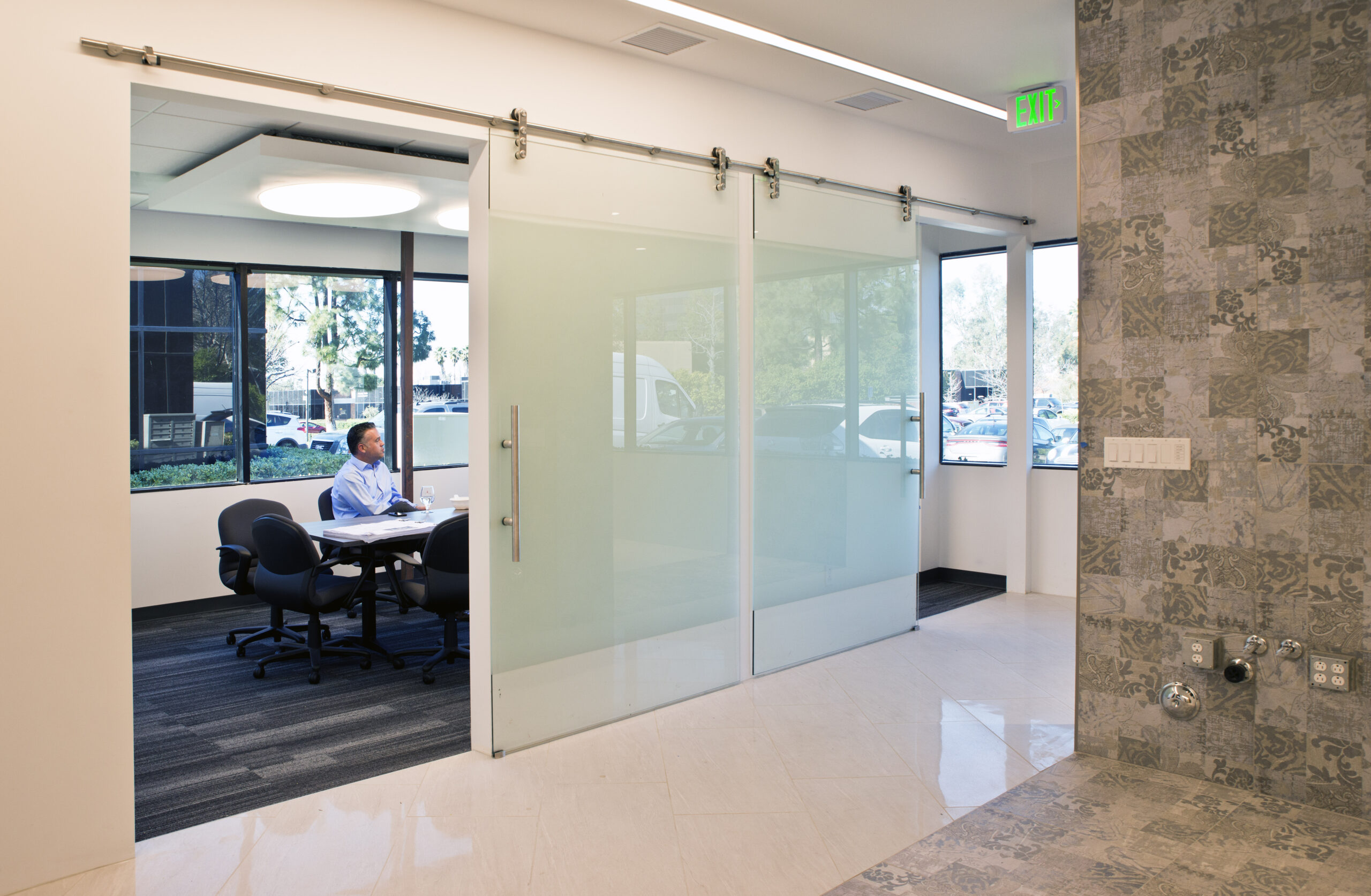
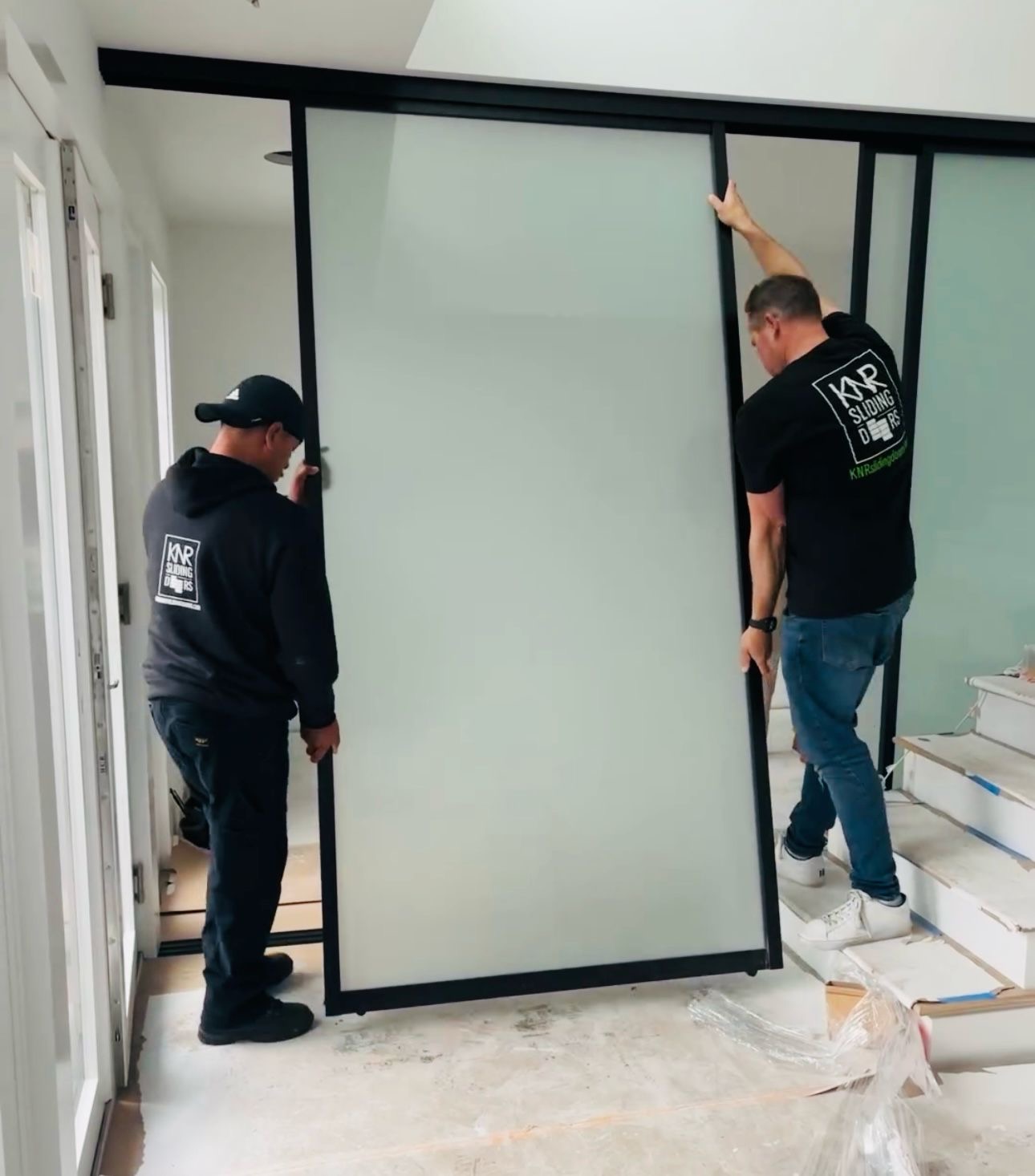
Opaque materials such as reeded glass or soft-finish aluminum provide privacy while still letting light pass through. When open, the door completely disappears into the wall or glides effortlessly to the side. When closed, it creates a clear division without a harsh cutoff in brightness. This fluid transition is especially valuable in open-concept homes where maintaining both flexibility and natural light is critical.
Enhancing Mood and Wellness Through Daylight
Natural light is one of the most powerful tools in residential design. It not only alters the visual dynamics of a space—it also directly influences mood, energy, and wellness. By optimizing the flow of light through sliding door systems, homeowners can shape environments that feel more inviting and emotionally balanced.
Morning light can be welcomed into the bedroom through frosted-glass doors that soften the glare while still energizing the space. In shared living areas, expansive panels help evenly distribute daylight throughout the room, reducing shadows and creating a warm, harmonious atmosphere.
Sliding doors also allow for intentional control. With the option to open or close them partially, homeowners can modulate brightness and privacy throughout the day. The result is a living space that adapts to your rhythm—not the other way around.
A Design Investment That Lasts
Incorporating sliding doors into a home is more than a stylistic decision. It’s a commitment to lasting design, spatial flexibility, and the intelligent use of natural resources. When designed with care and manufactured with precision, sliding doors become a timeless architectural feature that serves both form and function.
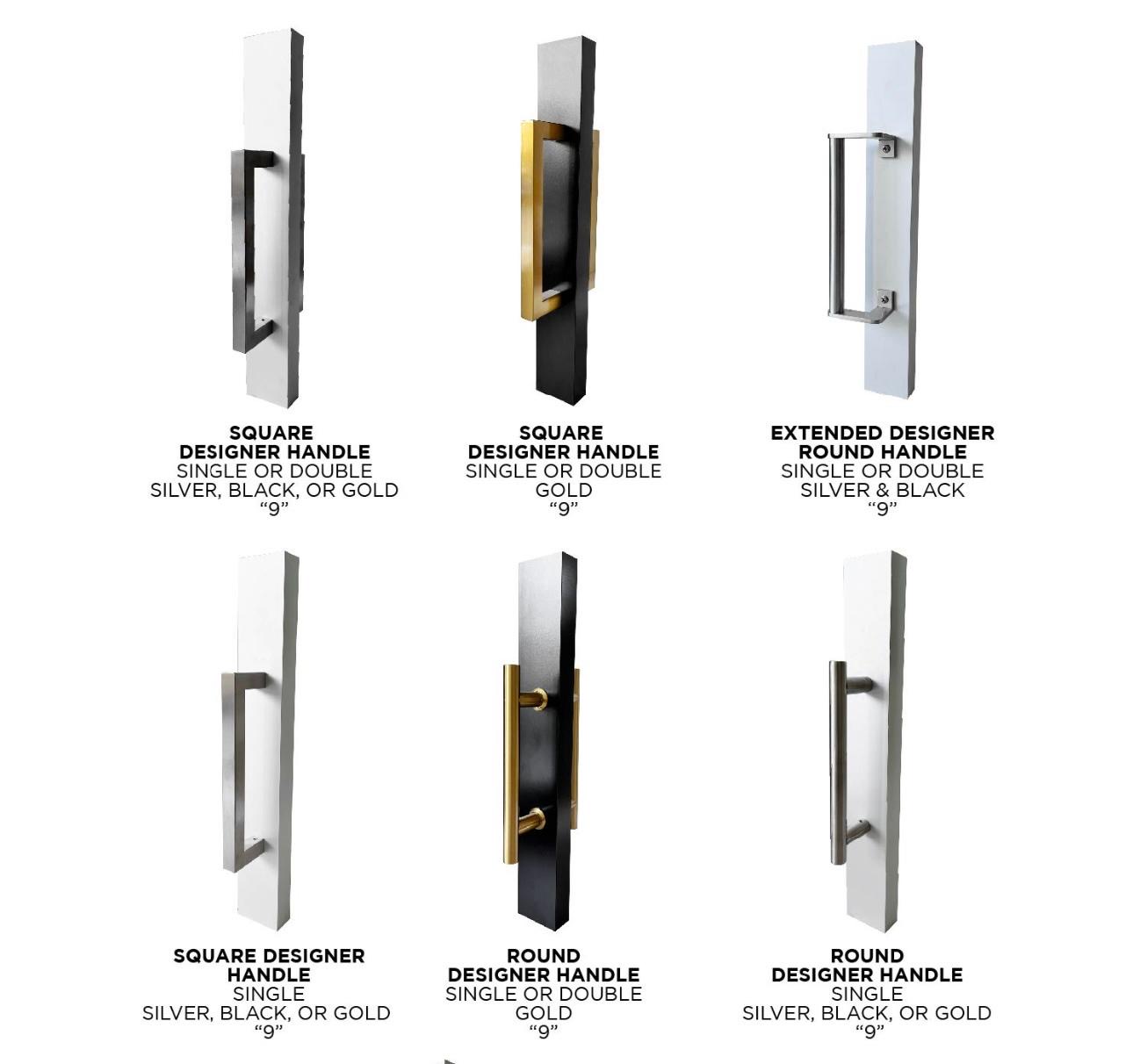
The versatility of customizable frame finishes, panel styles, and track systems allows for tailored integration into any design language—from ultra-modern to transitional. And because they support passive lighting strategies, sliding doors help reduce energy consumption over time while enhancing daily living.
Let Light Lead the Way
Every home has the potential to feel brighter, more open, and intuitively connected. Sliding doors help bring that potential to life by allowing natural light to move freely, creating a sense of continuity, balance, and calm. Whether you’re rethinking a single room or designing an entire home, integrating high-quality sliding door systems is a meaningful way to elevate light as a central design element.
Let us help you transform how light lives in your space. Our team is ready to collaborate, design, and deliver a solution that fits your vision perfectly.